Gothic Revival Interior Design: Create Moody, Dramatic Spaces in Your Home in 2026
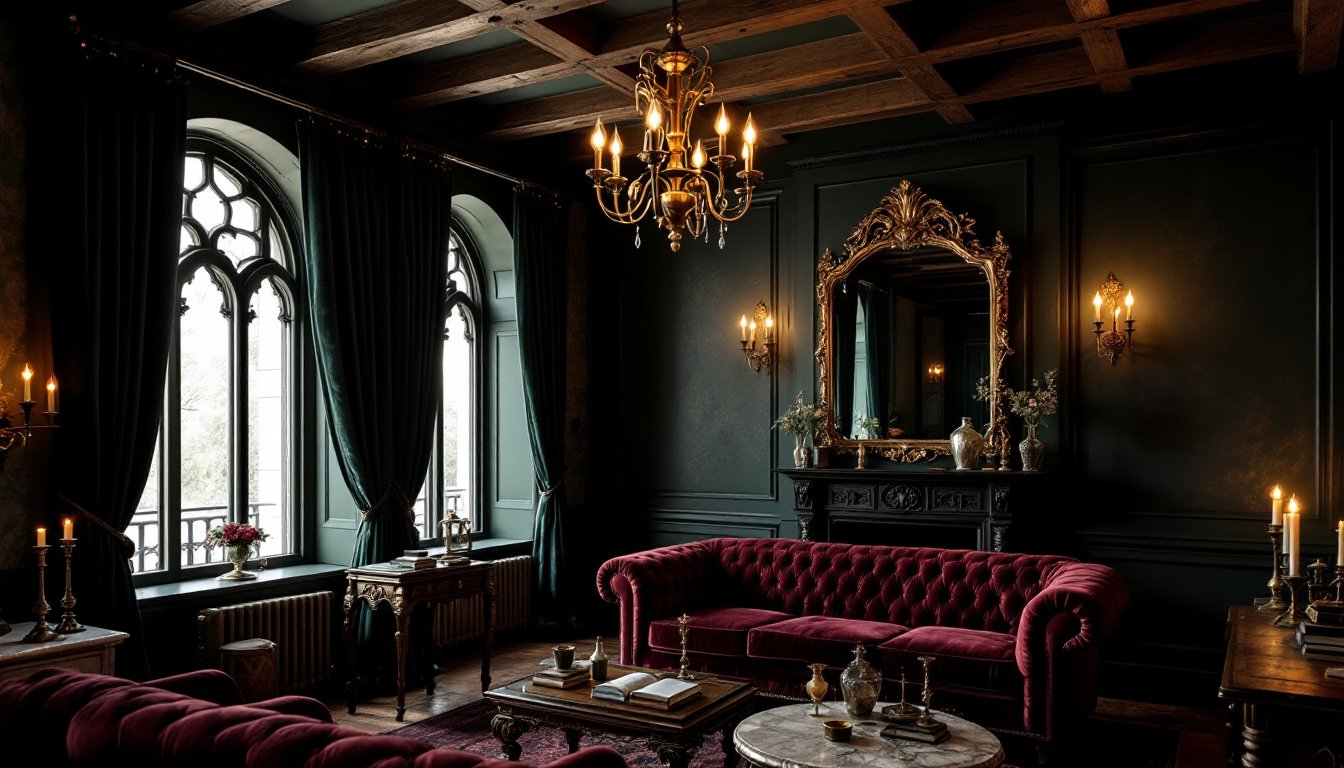
Gothic revival interior design isn’t about dungeon vibes or horror-movie aesthetics, it’s about crafting rich, layered spaces with drama and character. This 19th-century architectural movement took medieval elements and reinvented them for Victorian homes, and today’s homeowners are rediscovering that moody appeal. Whether you’re drawn to pointed arches, ornate woodwork, velvet upholstery, or jewel-toned walls, gothic revival brings intentional darkness, texture, and storytelling into modern living. The style pairs perfectly with existing homes, vintage finds, and DIY modifications. If you want depth beyond beige and brass, this guide walks you through the essentials of gothic revival interior design and practical ways to layer it into your space without a complete renovation.
Key Takeaways
- Gothic revival interior design celebrates intentional darkness, rich textures, and layered materials rather than recreating medieval dungeons, making it achievable in modern homes of any age.
- Deep color palettes with charcoal, forest green, burgundy, and matte black create atmospheric spaces; pair them with brass or bronze fixtures and dark wood finishes for authentic gothic revival aesthetics.
- Layered lighting from multiple sources—chandeliers, wall sconces, table lamps, and accent lighting—prevents dark walls from feeling cramped and enables mood adjustment with dimmers.
- Tufted velvet seating, dark wood furniture with ornate details, and ornate mirrors are essential gothic revival elements; reproduction pieces from thrift stores and online markets deliver the look at lower cost than antiques.
- DIY projects like accent walls, wallpaper installation, furniture refinishing, and crown molding require minimal investment ($30–$200 per project) and transform any room into a dramatic, character-filled retreat.
What Defines Gothic Revival Style
Gothic revival began as a reaction against industrial sameness in the 1840s–1890s. Architects and designers looked backward to medieval Gothic cathedrals for inspiration, soaring ceilings, intricate stonework, pointed arches, and dramatic shadows. But they didn’t recreate dungeons: they adapted those elements into livable Victorian homes with jewel-toned walls, ornate plasterwork, and heavy wooden furniture.
Today’s gothic revival isn’t a photocopy of the Victorian era. It’s a sensibility: choosing darkness and richness as a design choice rather than avoiding it. Think of it as the opposite of “bright and airy.” You’re building texture through layered materials, deep colors, dramatic lighting, and curated vintage or reproduction pieces. The style celebrates craftsmanship, patina, and objects with history. It’s romantic but not frilly, moody but not depressing. A gothic revival space feels intentional and atmospheric.
This approach works particularly well in older homes with original moldings, high ceilings, and solid bones, but you can apply gothic principles to any room. Even modest updates, a dark accent wall, brass fixtures, a Victorian mirror, and layered textiles, shift a space toward that character.
Key Gothic Revival Design Elements to Master
Color Palettes and Finishes
The gothic palette is intentionally deep. Think charcoal, forest green, burgundy, black, navy, and warm blacks with undertones of brown or gray. These aren’t accident colors: they’re chosen to absorb light and create shadow and depth. A single accent wall in deep hunter green or matte black transforms a room from generic to evocative.
Paints should have finish options: flat or eggshell for walls (these absorb light and hide imperfections better than glossy finishes in dark colors), and satin or semi-gloss for trim and doors if you want a subtle contrast. Matte black or charcoal trim can emphasize architectural lines, picture frames, baseboards, or crown molding stand out against lighter walls, or recede into moody shadows against dark walls.
Beyond walls, finishes matter. Brass, bronze, and oil-rubbed bronze fixtures replace chrome or polished nickel. Wallpaper with damask, floral, or geometric patterns, especially in deep colors with metallic accents, adds instant Victorian texture. Wood finishes should be dark stains (espresso, ebony) rather than light oak. If you’re working with existing light wood, staining is an option, though testing a hidden area first is essential.
Ceiling treatments are underrated in gothic design. Exposed ceiling joists, dark paint, or faux beamed ceilings create overhead drama. Even pressing out popcorn texture and painting ceilings deep charcoal amplifies the effect.
Lighting Strategies for Dark, Atmospheric Interiors
This is where many DIYers hesitate: won’t dark walls and ceilings make rooms feel cramped and dim? Not if you light them intentionally. Gothic spaces are about layered lighting, multiple sources at different levels creating pools of light and shadow.
Start with brass or bronze chandelier or pendant fixtures as your primary source. Ornate candelabra-style chandeliers, Edison bulb fixtures, or stained glass lanterns reinforce the gothic aesthetic. Supplement with wall sconces on either side of mirrors (a classic vampire-movie lighting setup, but genuinely useful). Add table lamps with dark shades and warm-toned bulbs (2700K color temperature). Floor lamps with brass tripods or ornate bases in corners create ambient fill.
Don’t forget accent lighting: uplighting behind bookcases, spotlights on artwork, or string lights draped in alcoves. These add depth without flattening the room. Dimmers are non-negotiable, they let you adjust mood from cozy evening to functional daytime.
Watt output matters. A single 60-watt bulb won’t light a 12×14 bedroom. Aim for total lumen output equivalent to traditional 400–600 watts spread across multiple fixtures. LED bulbs run cooler and last longer, making this workable. Dark walls absorb light, so you need more illumination than a light-colored room of the same size, but that’s intentional drama, not a design flaw.
Furniture Selection and Arrangement
Gothic revival furniture is often ornate, substantial, and heavy-looking. Pieces have carved details, turned legs, dark wood finishes, and upholstery in velvet, leather, or damask. But you don’t need authentic 1880s pieces to achieve the look. Reproduction gothic or Victorian furniture is widely available: vintage finds from thrift stores or online markets add character at lower cost than antiques.
Key categories:
- Seating: Tufted sofas or wingback chairs in deep velvet (burgundy, forest green, charcoal) are quintessential. A Victorian or gothic-reproduction sofa costs $400–$800 new: used versions run $100–$300. Leather also works, think dark cognac or black.
- Tables: Dark wood tables with turned legs, ornate bases, or carved details. Marble or slate tops add richness. Round or oval tables feel more gothic than minimalist rectangles.
- Storage: Built-in bookcases painted dark, or gothic-reproduction china cabinets and credenzas with paneled doors and brass hardware.
- Beds: Four-poster beds with carved finials, draped in heavy curtains or tapestries. A metal bed frame with ornate details also works.
Arrangement matters. Cluster furniture to create intimate, lit zones rather than spreading it around a large room. Layer in mirrors, gothic mirrors have ornate frames in gold, bronze, or dark wood, to bounce light and add visual depth. Position seating to face each other or toward a focal point like a fireplace or bookcase, not toward a blank wall.
DIY Projects to Add Gothic Flair
You don’t need a contractor to add gothic character. Here are realistic, achievable projects:
1. Paint an Accent Wall
Choose one wall, often the one with a focal point (fireplace, bed, or bookcase). Prep surfaces by filling holes, sanding, and priming. Use a premium dark paint (Benjamin Moore, Sherwin-Williams, and Farrow & Ball all offer deep, sophisticated blacks and greens). Two coats usually cover well. Total cost: $30–$60 in materials, 6–8 hours elapsed time.
2. Add Wallpaper with Pattern
Damask or floral gothic wallpaper on one wall or inside built-in shelving creates instant texture. Peel-and-stick options ($20–$40 per roll) work for renters or those hesitant about permanent commitment: traditional paste ($10–$30 per roll) looks better and lasts longer. Prep walls properly: smooth, clean, and primed. Hanging takes practice: if seams matter to you, a second set of hands helps.
3. Refinish or Paint Wooden Furniture
A light wood dresser or bookcase can shift from bland to gothic with dark stain or paint. Strip, sand, and stain with espresso or ebony (day 1), then add hardware in brass or bronze (day 2). Or paint it with matte black furniture paint and matte polyurethane topcoat. This revives thrift-store finds for $30–$80 in materials.
4. Install Crown Molding or Faux Beams
Gothic ceilings benefit from details. Real crown molding requires miter cuts, nails, and caulk, doable for DIYers with miter saws. Faux beams (foam or wood) are lighter and simpler to install with construction adhesive and screws into ceiling joists. Paint them dark to match the ceiling or contrast with lighter walls.
5. Upgrade Light Fixtures
Swapping out a basic ceiling fixture for a brass chandelier or pendant takes 30 minutes and costs $50–$150. Turn off the breaker, remove the old fixture, and follow the new one’s instructions. If you’re uncomfortable with electrical work, hire a licensed electrician, it’s worth the $100–$200 call-out fee to ensure safety and code compliance.
6. Add Heavy Curtains or Drapes
Velvet or damask curtains in deep colors frame windows and absorb sound. Hang curtain rods in brass or bronze at ceiling height for maximum drama. Sewing or hanging curtains is straightforward: if you’re buying ready-made, expect $80–$200 per window depending on fabric and size.
Conclusion
Gothic revival interior design invites richness, intentionality, and character into your home. Start small, one dark accent wall, a velvet chair, layered lighting, and build from there. The beauty of this aesthetic is that it rewards curation and layering. Pieces don’t need to be expensive or perfectly matched: they need to feel thoughtful. Your space becomes a retreat rather than a showroom. Pick a project, commit to dark colors with confidence, and let the drama unfold.