Front Room Decor Ideas That Transform Your Space in 2026
Your front room, also called a living room or sitting room, sets the tone for your entire home. It’s where guests land, where you unwind after work, and where your design choices make an instant impression. Getting front room decor ideas right doesn’t require a designer’s budget or Pinterest-perfect execution: it requires intentional choices about color, light, furniture placement, and finishing touches. Whether you’re refreshing worn décor or starting from scratch, this guide walks you through practical steps to create a space that reflects your style while functioning for real life. Let’s build a room that actually works.
Key Takeaways
- Use the 60-30-10 color rule—one base neutral color for 60% of the room, a secondary accent for 30%, and a pop color for 10%—to create a balanced front room decor that adapts to changing light throughout the day.
- Layer three types of lighting (ambient, task, and accent) and install dimmer switches to transform your space from harsh and institutional to welcoming and functional at every hour.
- Arrange furniture around a focal point like a fireplace or window, float your sofa 12–18 inches from walls to maximize perceived space, and choose multifunctional pieces that match your lifestyle and household needs.
- Anchor your front room with textiles and wall art: use a 5×8 or 6×9 rug to define the seating area, layer patterned pillows in coordinating colors, and hang art at eye level (57–60 inches from the floor) for visual impact.
- Start refreshing your space with one element—such as lighting or paint—and build outward; intentional choices about color, light, and furniture placement create a welcoming room that reflects your style without requiring a designer’s budget.
Choose a Color Palette That Sets the Mood
Color is your first and most powerful design decision. Before buying anything, walk through your space at different times of day and notice how natural light moves through it. A color that glows at 10 a.m. might feel murky at 6 p.m., and choosing a palette without considering this is a common costly mistake.
Start with one base color, neutral tones like warm grays, soft whites, or taupe work almost everywhere because they don’t fight with changing light. Then add two accent colors: one in the 60% range (walls, larger pieces), one at 30% (secondary walls, upholstery), and let the remaining 10% be a pop color you can shift seasonally with throw pillows or small decor items. This 60-30-10 rule keeps things balanced without feeling bland.
Consider whether you want energy (warm tones like terracotta, warm grays, or muted mustard) or calm (cool grays, soft blues, pale greens). A living room in a busy household often benefits from grounding, calming tones: a room meant for entertaining can handle more vibrancy. If you’re uncertain, test paint samples on your walls and live with them for a few days. Lighting conditions matter more than any paint chip.
Layer Lighting for Ambiance and Functionality
Poor lighting kills a beautiful room faster than bad paint. Layering three types of light, ambient, task, and accent, ensures your front room works for every hour of the day.
Ambient lighting is your baseline: overhead fixtures, recessed lights, or a central chandelier that fills the room without hotspots. Task lighting means reading lamps near seating, table lamps on side tables, and adequate light over work areas if you have a desk. Accent lighting highlights architectural features, perhaps string lights around a bookshelf, a wall sconce flanking art, or uplighting on a textured wall.
Install a dimmer switch on your main overhead fixture (a simple electrician visit or a DIY swap if you’re comfortable with wire connections). Dimmers cut power consumption and let you adjust mood without replacing bulbs. Avoid cheap overhead-only setups: they cast harsh shadows and make the space feel institutional.
For specific recommendations, research fixture styles on MyDomaine’s lighting guides, which breaks down modern fixtures for different room types. LED bulbs with a color temperature of 2700K mimic warm, natural light and run cooler and longer than incandescent.
Furniture Arrangement and Layout Strategies
Maximize Space With Smart Furniture Choices
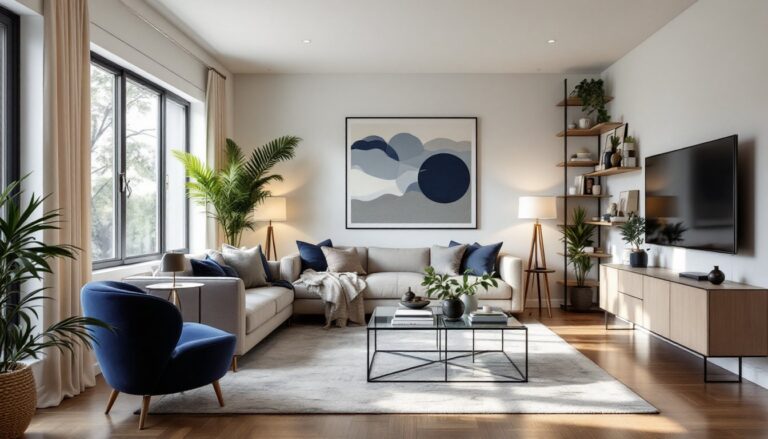
Furniture layout shapes traffic flow and comfort. Start by identifying your focal point, a fireplace, large window, or TV, and angle seating to face it naturally. Most living rooms work with a conversation arrangement: sofa plus two chairs with a coffee table between them, or a sectional anchoring one corner with accent seating across from it.
Measure your room and sketch a to-scale floor plan on grid paper before moving heavy pieces. Note window and door locations, outlets, and heat vents. This prevents rearranging three times and damaging walls or floors. A sofa should float 12–18 inches from walls if possible: this makes the room feel larger and lets you position it toward the focal point rather than parallel to walls.
Choose furniture that matches your lifestyle. If you have kids or pets, durable upholstery (microfiber, performance fabrics, or leather) beats delicate silk. A low-profile sofa under 35 inches tall opens up visual space in compact rooms. Ottomans with storage offer flexibility: extra seating, footrests, or hidden blanket storage without permanent commitment. Multifunctional pieces, console tables that double as desks, nesting tables, or a bench with under-seat storage, maximize square footage without clutter. Don’t default to the biggest sectional: a modest sofa plus a couple of chairs leaves room to move.
Add Visual Interest With Textiles and Accessories
Wall Art and Decorative Elements
Textiles, throw pillows, area rugs, curtains, and blankets, anchor a room and add texture. Layer a rug under your seating to define the space: a 5×8 or 6×9 rug works for most living rooms, extending 18 inches under the seating arrangement. Pair one patterned rug with solid furnishings, or go subtle with a solid rug and patterned textiles.
Throw pillows on the sofa and chairs add comfort and visual rhythm. Mix patterns (stripes with florals, geometric with solids) at different scales and textures, linen, wool, velvet, but stick to your color palette. Two or three larger pillows often look more intentional than a pile of small ones. Swap seasonal throws to refresh the look without major investment.
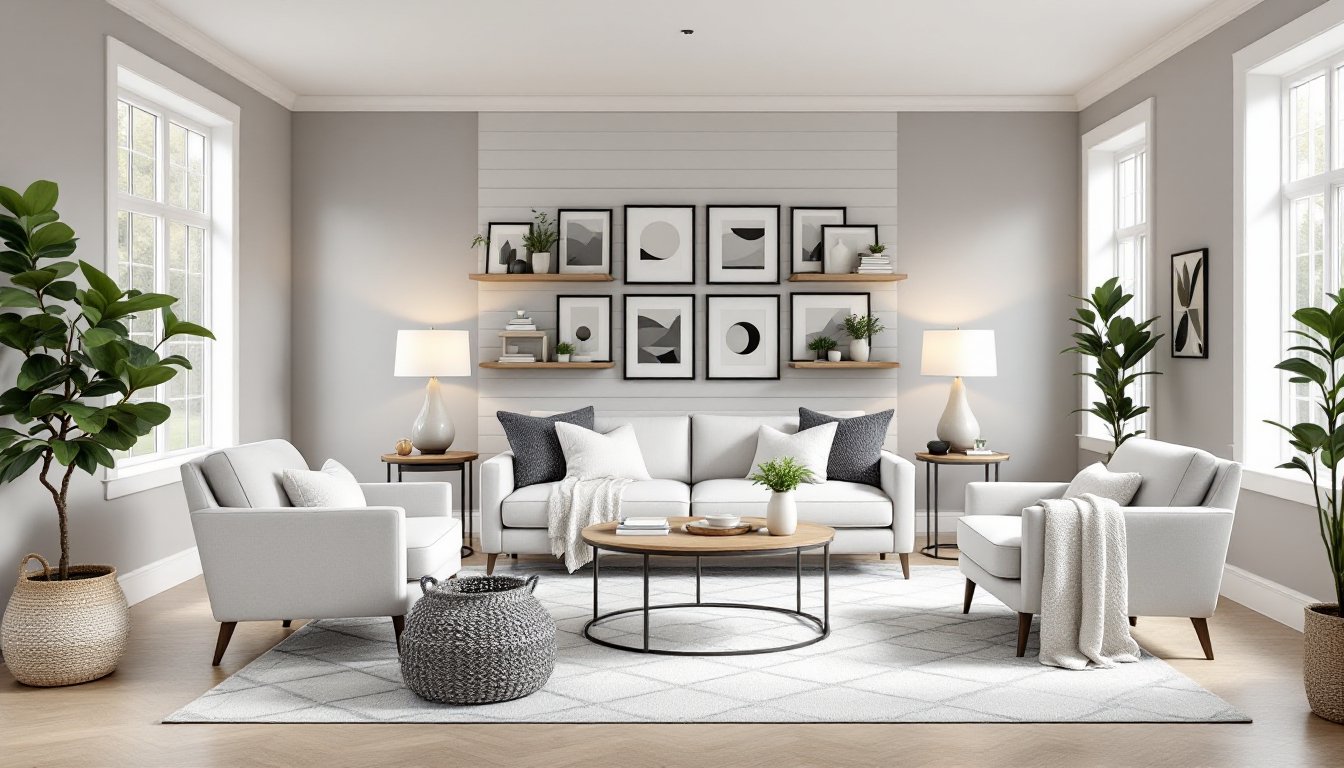
Wall art breaks up large blank walls and reflects your personality. A gallery wall of mixed frames, a large statement piece above the sofa, or a leaning painting against a console all work depending on scale. Hang art at eye level (57–60 inches from the floor to the center) so it feels grounded, not floating. If you’re uncertain about committing, lean art pieces on shelves or mantels first to test the look.
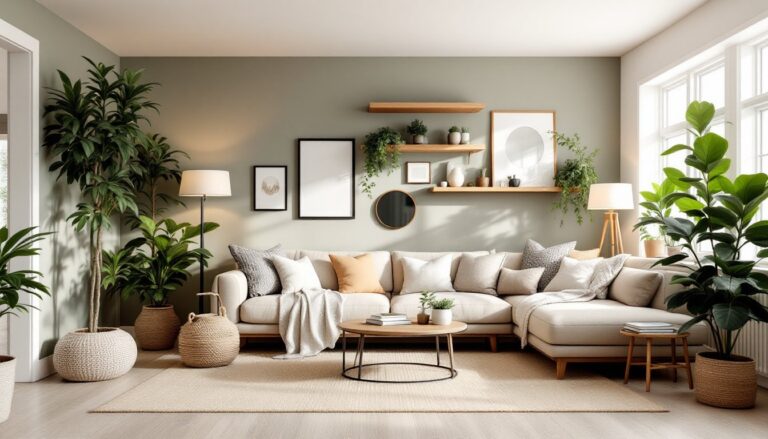
Integrating wooden wall design creates warmth and natural texture, shiplap, wooden planks, or a statement wall add depth without the commitment of paint. Shelving displays personal items, plants, and books. Group objects in odd numbers (three candles, five books) rather than pairs: it feels less formal and more collected. Avoid overloading, negative space keeps a room from feeling claustrophobic and lets your best pieces stand out. Budget-friendly decorating strategies from Addicted 2 Decorating show how swaps and refreshes breathe new life into tired rooms without structural changes. A side table, a basket for blankets, greenery in corners, and warm lighting tie everything together into a cohesive, welcoming space that reflects both style and function.
Conclusion
Transform your front room by anchoring choices around color mood, layered lighting, smart furniture placement, and thoughtfully layered textures and art. These elements work together: the right color palette guides textile choices, lighting showcases wall art and architectural details, and functional furniture arrangement supports both conversation and relaxation. Start with one category, maybe lighting or a fresh coat of paint, and build from there. Your room doesn’t need to match a magazine spread: it needs to work for your life and reflect your taste. With intention and a few practical upgrades, your living space becomes the welcoming, functional heart of your home.