Kitchen Decor Ideas: 25+ Stylish Ways to Refresh Your Space in 2026
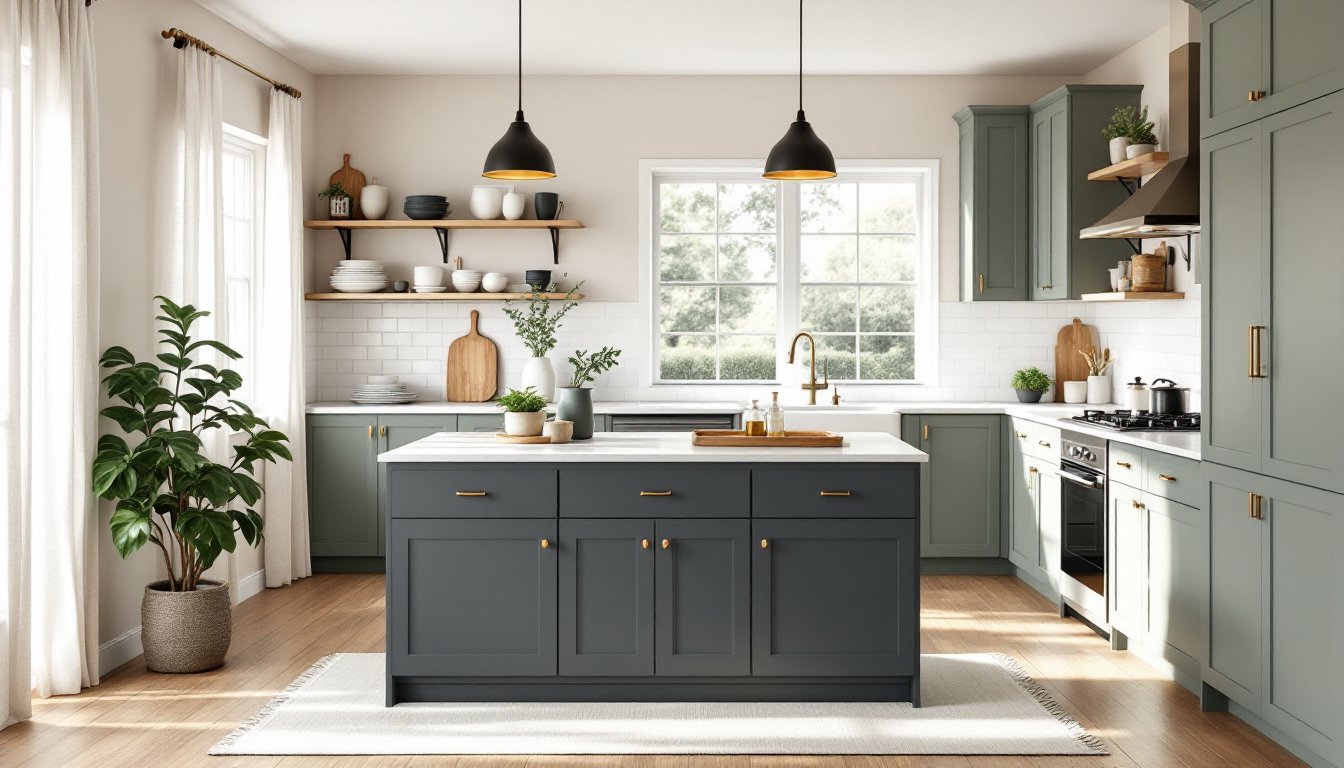
The kitchen pulls double duty as a workspace and a gathering spot, which means the decor has to look good and survive splatters, steam, and Sunday-morning chaos. The good news: refreshing the room doesn’t require a full remodel. A smarter palette, better lighting, and a few targeted upgrades can shift the whole vibe in a weekend. Below are 25+ kitchen decor ideas for 2026, grouped by what they actually do for the space, with practical notes on materials, prep, and which projects belong on a DIY task list.
Key Takeaways
- A strategic color palette using the 60-30-10 rule (dominant, secondary, and accent colors) sets the mood for kitchen decor ideas and ensures a cohesive, professional look.
- Swapping cabinet hardware, painting cabinet boxes, or refacing doors delivers the highest visual impact at varying price points, from budget-friendly to moderate investment.
- Proper lighting layers—ambient, task, and accent—are essential for both functionality and atmosphere, with 2700K–3000K color temperature recommended for a warm, inviting kitchen.
- Open shelves and countertops work best when styled with intentional spacing, odd-numbered groupings, and at least one-third negative space left visible.
- Weekend DIY projects like peel-and-stick backsplashes, floating shelves, and painted accents deliver quick refreshes without requiring a full remodel.
- Adding textiles, art, and low-maintenance greenery (pothos, snake plants, or windowsill herbs) transforms a kitchen from a sterile workspace into a welcoming, personalized home.
Choosing a Color Palette That Sets the Mood
Color sets the tone before anything else lands on the counter. For 2026, warm neutrals (mushroom, clay, oat) and muted greens are dominating kitchen palettes, often paired with one grounding deeper shade like charcoal or espresso.
A reliable starting formula:
- 60% dominant color (walls, large cabinets)
- 30% secondary (island, lower cabinets, tile)
- 10% accent (hardware, textiles, art)
Test paint in real conditions. Brush two coats of each candidate onto a 2×2 ft poster board and move it around the kitchen at morning, noon, and night. North-facing kitchens cool colors down: west-facing rooms warm them up after 3 p.m. One gallon of interior latex covers roughly 350–400 sq ft per coat, so measure walls before buying. And always prime over glossy or stained surfaces, or the topcoat won’t bond properly.
Refreshing Cabinets and Hardware for Instant Impact
Cabinets eat up the most visual real estate in any kitchen, so they’re the highest-leverage update. Three tiers of refresh, from cheapest to most involved:
- Swap hardware only. Standard cabinet pulls come in 3-inch and 96mm center-to-center spacing. Measure existing holes before buying replacements.
- Paint the boxes and doors. Use a bonding primer (like an alkyd or shellac-based product) over factory finishes, then two coats of a durable enamel. A foam roller plus a fine-bristle brush gives the smoothest finish: a sprayer works better if the doors come off.
- Reface or replace doors. Refacing keeps the existing boxes and swaps just the doors and drawer fronts, usually 30–50% cheaper than full replacement, though pricing varies by region and material.
Label every door and hinge with painter’s tape before removing. Curated cabinet inspiration on recent kitchen remodels shows how two-tone schemes (lighter uppers, darker lowers) make ceilings feel taller.
Styling Open Shelves and Countertops Like a Designer
Open shelving works when it’s edited, not stuffed. The rule designers follow: group items in odd numbers, vary heights, and leave roughly one-third negative space on each shelf.
A simple shelf formula:
- One tall item (pitcher, vase, cutting board on edge)
- One stacked group (3–5 plates or bowls)
- One organic element (plant, fruit bowl, wood object)
For open shelves, use 1-inch-thick solid wood or plywood with a hardwood edge, anything thinner sags under stoneware. Anchor brackets into studs (typically 16 inches on center) or use heavy-duty toggle bolts rated for the load.
Countertops follow the same logic. Limit daily-use appliances to two or three, corral oils and utensils on a tray, and keep at least one stretch of counter completely clear. Smart styling tips for compact layouts on The Kitchn’s small-kitchen guides are worth borrowing for galley and apartment kitchens.
Layering Lighting for Function and Atmosphere
A single ceiling fixture is the most common kitchen lighting mistake. Good kitchens layer three types:
- Ambient: Overall room light (recessed cans, flush mounts, or a central pendant).
- Task: Direct light on work zones, under-cabinet LED strips over counters, pendants over islands.
- Accent: Toe-kick lighting, in-cabinet glow, or a small picture light over art.
For islands, hang pendants 30–36 inches above the countertop, spaced so each fixture’s diameter equals roughly one-third the island’s length. Stick with 2700K–3000K color temperature for a warm, food-friendly tone: anything above 4000K reads clinical.
Hardwiring new circuits or adding switches falls under the National Electrical Code (NEC), and most jurisdictions require a permit and licensed electrician for new circuits. Swapping an existing fixture for another, but, is a reasonable DIY job, shut off the breaker, test with a non-contact voltage tester, and wear safety glasses when working overhead.
Adding Personality With Textiles, Art, and Greenery
This is where a kitchen stops looking like a showroom and starts looking like someone’s home. Textiles soften hard surfaces, try a runner in front of the sink (low-pile, washable), linen cafe curtains, or a roman shade in a small print.
Art belongs in the kitchen too. Framed prints, vintage botanicals, or a single oversized piece on an empty wall all work: just keep glass-fronted frames a few feet from the cooktop to avoid grease film. For more ideas for wall decor in awkward spots, above the fridge, between windows, on narrow end walls, browsing curated galleries on Homedit’s design inspiration helps spark layouts.
Greenery delivers the most life per dollar. Low-maintenance picks for kitchen conditions:
- Pothos (tolerates low light)
- Snake plant (handles neglect)
- Herbs in a sunny window (basil, thyme, mint)
For anyone juggling master bathroom decor ideas alongside the kitchen refresh, the same textile-art-plant trio scales across rooms with minor swaps.
Budget-Friendly DIY Decor Projects You Can Try This Weekend
Five projects that punch above their weight, each doable in a single Saturday:
- Peel-and-stick backsplash. Clean the wall with TSP substitute, let dry fully, and apply from the bottom up. A utility knife and J-roller give crisp edges. Best for renters or quick refreshes, not a permanent solution behind ranges.
- Floating shelf install. Two 1×10 pine boards, sanded to 220 grit, stained, and mounted on hidden brackets into studs. Wear a dust mask while sanding.
- Cabinet door swap to glass inserts. Remove the center panel with a router or jigsaw, then install seeded or reeded glass with retainer clips. Eye protection required.
- DIY range hood cover. Wrap an existing hood insert in 1/2-inch poplar or MDF to mimic a custom plaster or wood hood. Miter the corners for a clean joint, a miter saw beats a circular saw here.
- Painted floor or stair risers. Porch-and-floor enamel handles foot traffic. Two coats, 24 hours of cure time between, and at least 72 hours before heavy use.
These same techniques scale into modern bathroom decor ideas, floating shelves, peel-and-stick tile, and painted accents translate directly. Always wear gloves with adhesives and goggles when cutting or routing.
Conclusion
A kitchen refresh doesn’t hinge on one big move, it’s the stack of small, considered choices that adds up. Start with the palette, fix the lighting, edit the counters, and add personality last. Tackle the cosmetic work as a DIY, but call a licensed electrician or plumber the moment a project crosses into new circuits, gas lines, or load-bearing changes. Measure twice, prime properly, and the rest tends to follow.