Master Your Bedroom Oasis: 7 Design Tips to Transform Your Space in 2026
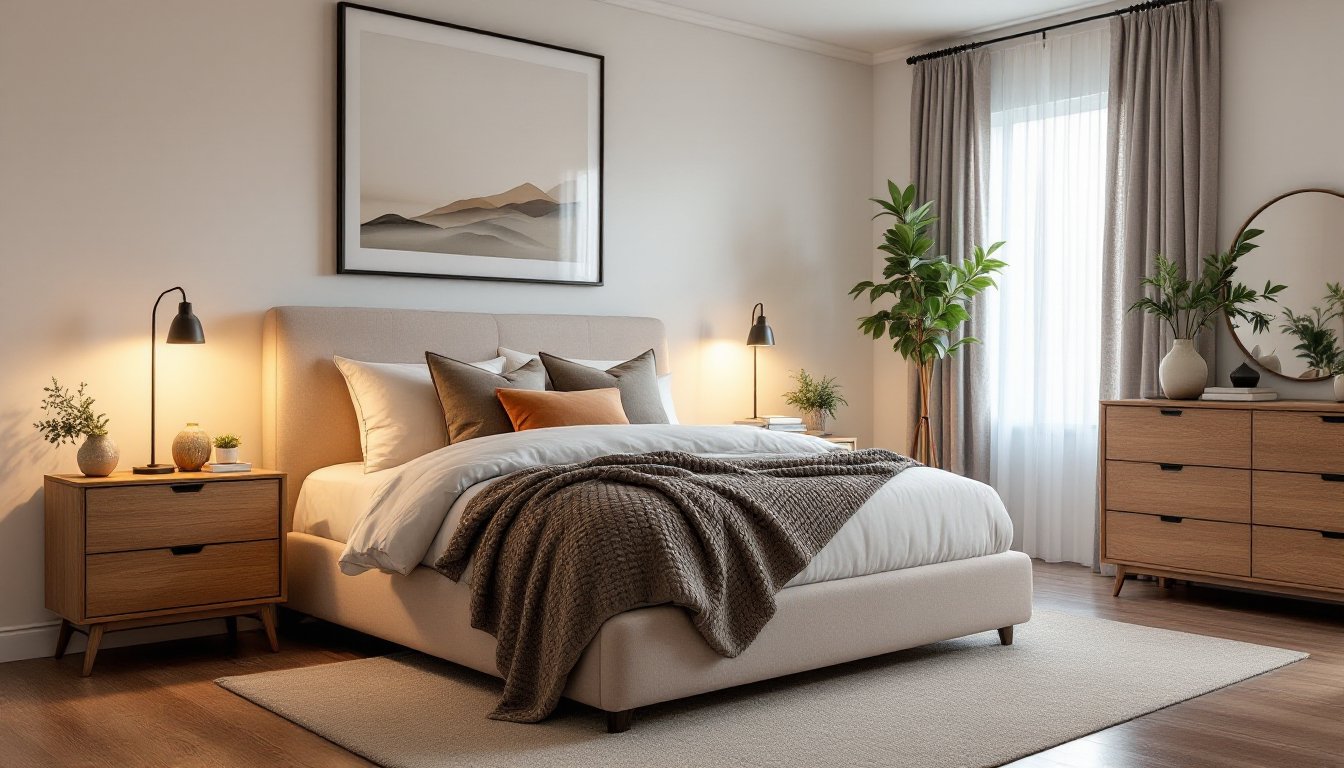
Your bedroom should be a retreat, a place where you actually want to spend time, not just a room to collapse in after a long day. Whether you’re starting from scratch or refreshing a tired space, thoughtful bedroom decoration doesn’t require a designer budget or weeks of construction. The key is knowing where to focus your efforts: color and lighting set the mood, quality furniture does the heavy lifting, and layers of texture make a space feel lived-in and inviting. This guide walks you through seven practical design strategies that work for master bedrooms, guest bedroom decor scenarios, and every size in between. You’ll learn how a bedroom decorator thinks about spatial flow, how to make smart furniture choices, and which finishing touches actually matter.
Key Takeaways
- Effective bedroom decoration starts with establishing the right color palette and lighting—warm whites or soft neutrals paired with dimmers and warm 2700K bulbs create a relaxing retreat.
- Invest in quality furniture, especially your bed frame and mattress, as these anchor pieces represent 40% of visual real estate and directly impact both comfort and the overall design aesthetic.
- Layer multiple textures through bedding, throws, rugs, and wall treatments to create visual depth and tactile richness that makes the space feel inviting and lived-in.
- Maximize storage before decorating to eliminate visible clutter, which instantly makes any bedroom feel larger and more restful regardless of paint color or furnishings.
- Personalize walls with large-scale art, floating shelves, or gallery arrangements, and finish with sensory details like fresh flowers and subtle scents to transform a nice room into an inviting bedroom oasis.
- A well-designed bedroom doesn’t require a designer budget—thoughtful choices about spatial flow, functional furniture, and intentional finishing touches deliver daily wellbeing benefits.
Establish Your Design Foundation With Color and Lighting
Before you buy anything, nail down your color palette and light sources. Paint color is the quickest way to anchor the mood, and it’s one of the cheapest changes you can make. Designers often start with a warm white or soft neutral on the walls (Benjamin Moore’s HC-172 or Sherwin-Williams’s SW 7015 are popular bases), then layer accent colors through furniture and textiles. If you want something bolder, a soft blue or greige works well because it doesn’t fatigue the eye over months. Remember that paint samples look different under your specific lighting, so paint large swatches on walls and observe them at different times of day.
Lighting matters just as much as color. A bedroom needs three types of light: ambient (overhead or recessed), task (bedside lamps for reading), and accent (perhaps a wall sconce). Harsh overhead lights kill the relaxed vibe, so consider installing a dimmer switch on any ceiling fixture, it costs under $20 and transforms the space. Bedside lamps should sit at elbow height when you’re sitting up, typically 24–30 inches from the mattress surface. A color temperature around 2700K (warm white) promotes melatonin production and encourages sleep, while 4000K feels more alert. Skip the cool whites unless you use the room during the day for work.
Choose Quality Furniture That Balances Style and Function
Your bed is the anchor piece, it often takes up 40% of the visual real estate, so choose it carefully. A solid frame and quality mattress aren’t optional: you’ll spend roughly a third of your life on it. Don’t skimp on the mattress foundation. A good bed reads as intentional and expensive-looking even if it wasn’t, while a flimsy frame with a sagging mattress undermines every other design choice. Beyond the bed, choose a nightstand with at least one drawer (for remotes, glasses, and clutter), and make sure its height matches your mattress top within a couple of inches.
For a guest bedroom decor setup, include a dresser with a mirror if space allows, it solves both storage and reflects light. Avoid oversized statement pieces in small rooms: instead, pick a couple of well-chosen items that serve double duty. A bench at the foot of the bed stores extra pillows and blankets while adding visual interest. When shopping, sit on furniture before buying it: comfort isn’t negotiable. Solid wood or quality plywood construction beats particleboard, especially for pieces that bear weight. Real bedroom decoration means prioritizing pieces that earn their square footage.
Layer Textures and Textiles for Comfort and Visual Interest
A room with only one or two textures feels flat and uninviting. Layer your textiles to create depth: start with quality sheets (look for 300+ thread count Egyptian cotton or a cotton-linen blend), add a duvet or comforter, then pile on 2–3 throw pillows in different fabrics. A chunky knit throw blanket draped over the foot of the bed or chair adds warmth and breaks up visual monotony.
Texture also includes wall treatments and soft furnishings. A linen curtain diffuses harsh sunlight and feels expensive, while a wool area rug anchors the bed and adds comfort underfoot. If you’re renting or hesitant about permanent changes, peel-and-stick wallpaper or fabric wall panels create texture without commitment. Mixing matte, smooth, and nubby finishes, like a smooth leather headboard, soft velvet pillows, and a chunky linen area rug, makes your eye travel around the room and keeps it interesting. The goal is tactile richness that invites you to actually use and enjoy the space, not just admire it from the doorway.
Personalize With Wall Decor and Accent Pieces
Walls are prime real estate for personality without clutter. A large-scale piece of art above the bed creates a focal point instantly. Framed prints, a textile wall hanging, or even a simple floating shelf above the nightstand breaks up blank walls. If you’re building a gallery wall, measure and mark all hole locations with painter’s tape first: mistakes are costly in terms of time and wall damage.
Accent pieces like a decorative mirror, wooden shelves, or a statement chair fill negative space and tell a story about who you are. A antique side table, a woven basket, or vintage books on a shelf make the room feel curated rather than catalog-flat. Keep accent decor proportional to room size, a small room with too many trinkets reads cluttered, while one or two bold pieces anchor the design. A bedroom decorator knows that personalization doesn’t mean maximalism: it means choosing items that genuinely speak to you. Resources like Addicted 2 Decorating offer DIY tutorials for custom wall treatments if you want to add texture through paint techniques or stenciling.
Maximize Storage to Keep Your Space Organized
A bedroom with visible clutter reads as chaotic no matter how beautiful the paint color. Before you decorate, solve the storage problem. A low dresser doesn’t block light or views, and closed storage (drawers, cabinet doors) hides what you don’t want seen. Under-bed storage boxes work for off-season bedding or extras, but label them so you actually know what’s inside.
Wall-mounted shelves save floor space and keep items accessible. If you’re handy, floating shelves anchored into studs hold more weight than adhesive-only options. For renters, a tall, narrow bookcase or shelving unit tucked into a corner does double duty for storage and decor. The rule is simple: every item in the room should have a home. Clutter isn’t decoration, and a well-organized bedroom instantly feels larger and more restful. This is especially true for guest bedroom decor, where visitors judge cleanliness partly by how tidy surfaces appear.
Create an Inviting Atmosphere With Final Touches
The difference between a nice room and an inviting bedroom oasis comes down to sensory details. A subtle scent, like candles or a diffuser, adds an invisible layer of luxury. Fresh flowers or greenery in a simple vase costs very little but signals care and intention. Studies on bedroom color palettes from sources like ELLE Decor’s curated guide confirm that colors paired with natural elements create calming environments.
Temperature control matters too: heavy blackout curtains or layered window treatments help regulate warmth, and a programmable thermostat that cools the room 1–2 degrees at night supports better sleep. If you’re willing to invest in one thing beyond furniture, consider a quality mattress protector and luxe bedding, you’ll notice the difference every night. Finally, step back and ask: does this room make me want to stay in it? Does it reflect how I want to feel? A bedroom decorator’s secret is that decoration isn’t about perfection: it’s about creating a space that genuinely serves you. For budget-conscious decorators, 10 Budget-Friendly DIY Projects offer affordable ways to personalize your space without overspending.
Conclusion
Transforming your bedroom doesn’t require a massive renovation or a blank check. Start with color and lighting to set the mood, choose quality furniture that earns its place, layer textures for comfort, add personal touches on walls, organize your storage, and finish with sensory details that make the space feel intentional. Each step builds on the last, creating a cohesive room that actually works for how you live. Your bedroom decoration is a long-term investment in your daily wellbeing, so take the time to get it right.