Interior Design 101: Create a Stunning Home with Expert Tips and Inspiration
Interior design isn’t just for celebrities or magazine spreads, it’s about making your home work better and feel better for the people who live there. Whether you’re refreshing a single room or overhauling your entire space, understanding interior design fundamentals gives you the confidence to make smart decisions. This guide walks you through the essentials: what interior design actually means, the styles that resonate with homeowners today, and practical steps to plan a project that fits your budget and vision. You’ll learn how to move beyond Pinterest inspiration to create spaces that are both beautiful and functional for your lifestyle.
Key Takeaways
- Interior design enhances functionality, safety, and visual appeal by considering layout, lighting, materials, and traffic flow—not just decoration.
- Transitional and contemporary interior design styles are popular with homeowners for their versatility, with transitional blending warmth and modern lines while contemporary emphasizes clean, sleek aesthetics.
- Set a realistic budget, create a mood board with 20–30 inspirational images, and measure your space before making any design decisions to avoid costly mistakes.
- Use the 60-30-10 color rule (60% dominant, 30% secondary, 10% accent) and invest in quality foundational furniture like sofas and beds that anchor your room.
- Layer three types of lighting—ambient, task, and accent—plus textures like rugs and wood to create depth and transform a space from functional to inviting.
- Start with one room renovation to test what works for your lifestyle, as most successful interior design projects come from patience and incremental changes rather than complete overhauls.
What Is Interior Design and Why It Matters
Interior design is the art and science of enhancing interior spaces to be more functional, safe, and visually appealing. It goes beyond picking paint colors or arranging furniture, it’s about understanding how space, light, texture, and color work together to shape how people feel in a room.
The difference between interior design and interior decorating often gets blurred. Decorating focuses on furnishings and aesthetics, while interior design considers the bones of the space: layout, traffic flow, lighting, materials, and sometimes structural changes. A designer might recommend relocating a wall, upgrading electrical outlets for convenience, or selecting flooring that handles your household’s actual wear patterns.
Why does it matter? When a room doesn’t function well, awkward furniture placement, poor lighting, or clashing colors, it affects your mood and how you use the space. Good interior design solves these problems. It also increases your home’s value. Thoughtful design choices in high-traffic areas like kitchens, bedrooms, and living rooms make a measurable difference when selling. Plus, spaces tailored to your needs simply feel better to live in every single day.
Popular Interior Design Styles to Inspire Your Project
Understanding design styles helps you narrow down what resonates with you and your home’s architecture. Here’s what homeowners are gravitating toward right now.
Transitional and Contemporary Styles
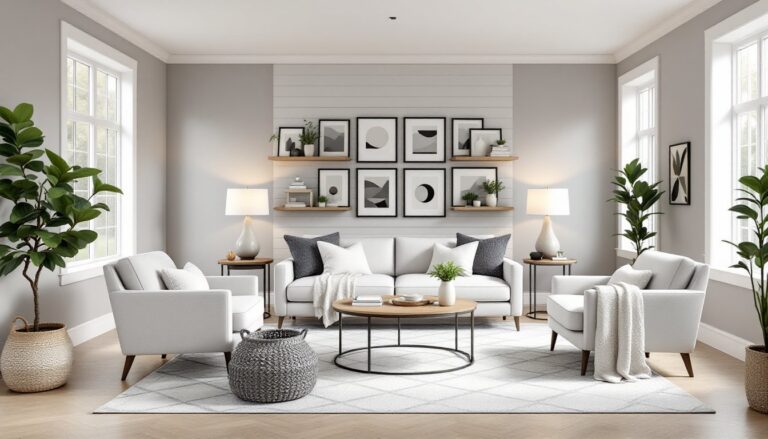
Transitional design blends traditional warmth with modern clean lines. It’s the safest bet if you’re unsure about committing to a single aesthetic. You’ll see classic furniture silhouettes paired with neutral palettes, think a Chesterfield sofa in gray linen, paired with contemporary metal-leg coffee tables and minimalist artwork. It works across most home ages and evolves easily as trends shift.
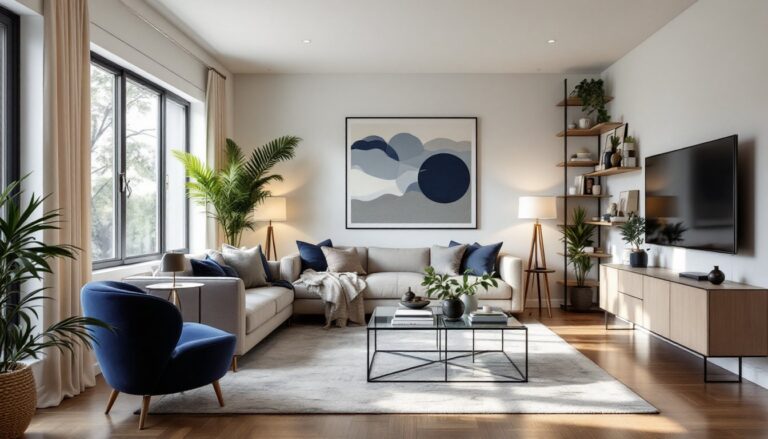
Contemporary design emphasizes current trends: open floor plans, flat surfaces, minimal ornamentation, and bold accent colors. It’s sleek but can feel cold if you’re not careful. The key is layering textures, exposed wood, soft rugs, natural fibers, to keep contemporary spaces from feeling sterile. This style pairs well with modern furniture and fixtures, making it ideal if you’re planning a major renovation.
Industrial, Scandinavian, and Minimalist Designs
Industrial design draws from warehouse and factory aesthetics: exposed brick, steel beams, concrete floors, and metal accents. It’s practical, durable, and surprisingly cozy when softened with warm lighting and natural wood elements. This style works beautifully in lofts and older commercial spaces converted to homes.
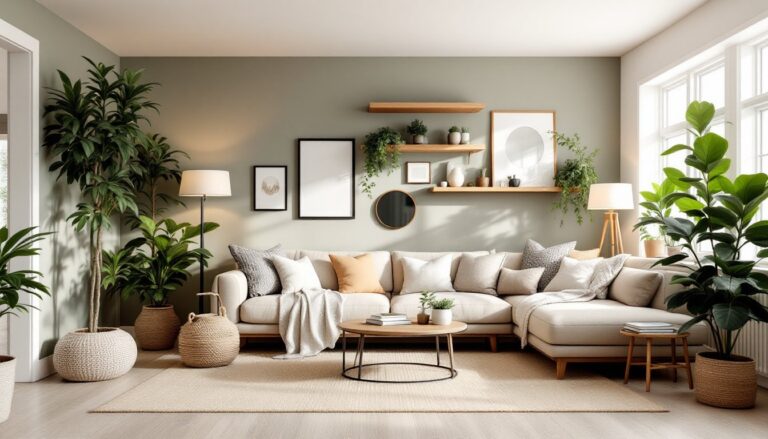
Scandinavian design prioritizes function, simplicity, and natural materials. Think light woods, soft textiles, and neutral colors with occasional pops of muted color. It’s designed for long, dark winters, so it emphasizes layered lighting and cozy textures. If you appreciate minimalism but want warmth, Scandinavian is your answer.
Minimalist design strips everything to essentials: what you keep should be beautiful, functional, or both. No excess, no clutter. It demands discipline but creates serene, uncluttered spaces. This style works in smaller homes where every square inch matters. Resources like MyDomaine and Elle Decor regularly showcase how these styles adapt to different home sizes and budgets.
Plan Your Project: From Budget to Mood Board
Before you buy anything, nail down your budget and vision. A clear plan prevents expensive mistakes and keeps projects on track.
Set a realistic budget. Decide what percentage you’re willing to spend on furniture, paint, flooring, lighting, and accessories. Understand that interior design pricing varies wildly depending on whether you’re hiring a professional, choosing quality basics, or investing in statement pieces. A bedroom interior ideas project might cost $2,000 for paint and new bedding, or $15,000 if you’re refinishing floors and replacing all furniture.
Create a mood board. Gather inspiration from social media, design websites, magazines, and your own home. Pin photos of rooms, color combinations, furniture styles, and specific pieces you love. After collecting 20–30 images, step back and look for patterns. Are they mostly warm or cool tones? Modern or traditional? This exercise reveals your actual preferences faster than any personality quiz.
Measure and sketch. Pull out a tape measure and notebook, or use a free app like Floorplanner. Measure your room’s dimensions, note window and door placements, and sketch the layout. Include ceiling height and architectural features (fireplaces, built-ins, outlets). This is where you catch problems early: that sofa won’t fit through the hallway, or the TV wall has zero outlets.
Prioritize high-impact zones. If budget is tight, start with your bedroom interior ideas or living room, spaces you use most. These areas deserve better lighting, comfortable furniture, and a cohesive color scheme. Work outward to less-used spaces.
Start Your Design Journey: Foundation Furniture and Color Palette
With your mood board and measurements ready, choose foundation pieces: the furniture and colors that define the room.
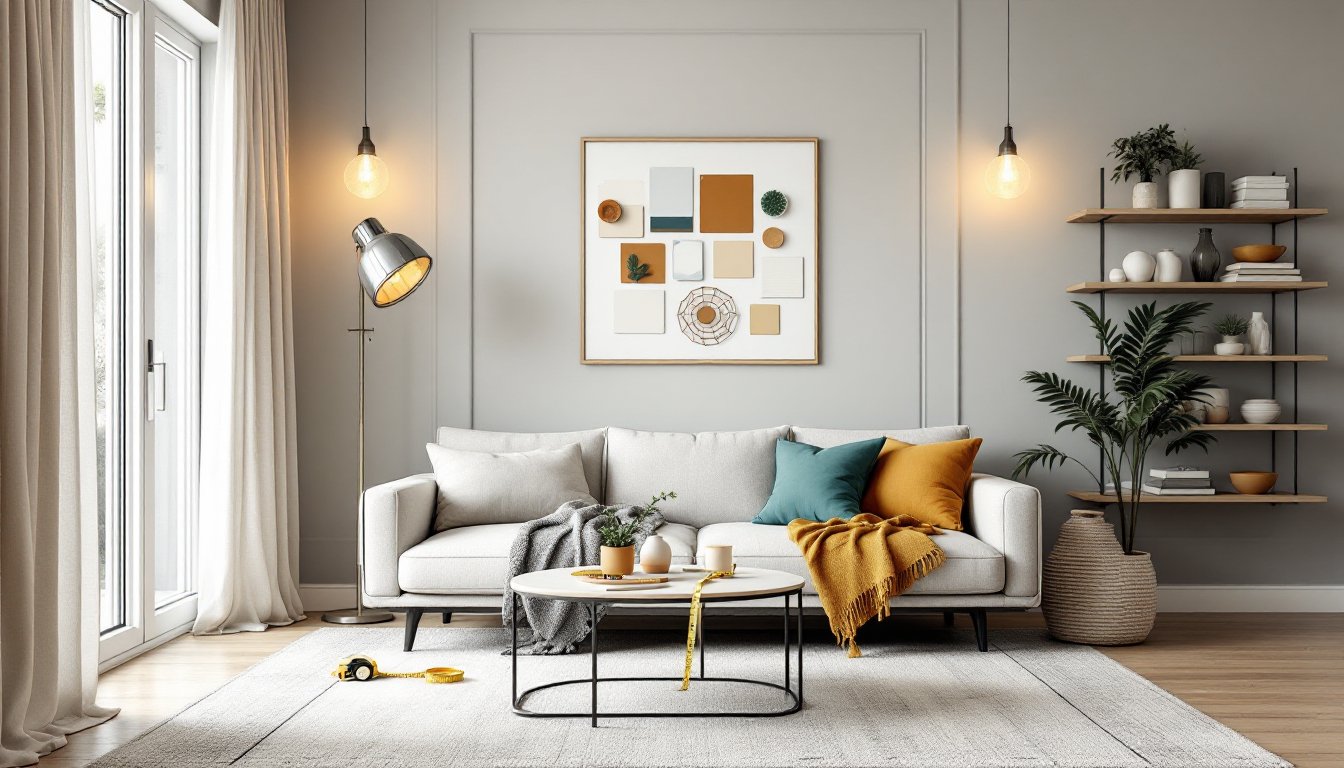
Select your color palette first. Most designers recommend a 60-30-10 rule: 60% dominant color (usually neutral), 30% secondary color, and 10% accent color. For example, light gray walls (60%), warm white trim and large furniture (30%), and teal or mustard accents in pillows and art (10%). This creates visual interest without chaos. Pull paint samples and live with them for a few days in different lighting, natural light and artificial light make colors look completely different.
Choose foundational furniture. Large pieces like sofas, beds, and dressers anchor a space and are expensive to replace. Buy quality here. Look at frame construction, fabric durability, and whether the piece fits your lifestyle. A cream linen sofa is beautiful but impractical with young kids or pets. Consider neutral colors for big pieces so you can swap out textiles (pillows, blankets, throws) as your style evolves.
Layer lighting thoughtfully. Most rooms need three types: ambient (overhead), task (desk, reading lamps), and accent (wall sconces, candlelight). This is where interior design ideas for living room and bedroom decoration design intersect, good lighting transforms a space. Include dimmers on overhead lights so you can adjust mood throughout the day. Track lighting works well in contemporary spaces: vintage brass fixtures suit transitional styles.
Add texture and personality. Once you have neutral walls, main furniture, and lighting sorted, bring in texture with rugs, pillows, throws, and wood elements. A design review of successful rooms shows that layering materials, linen, leather, wood, ceramic, metal, creates depth. Window treatments matter too: simple linen curtains suit contemporary designs, while heavier drapes add traditional warmth.
Conclusion
Interior design isn’t intimidating once you break it into steps: understand what you like, plan with measurements and budget, choose foundation pieces in neutral tones, layer in texture and lighting, then add personality through accessories. Start small if you’re nervous, refreshing one room teaches you what works for your home and lifestyle. Most successful projects come from patience and incremental changes rather than sweeping overhauls. Trust your instincts, measure twice, and remember that the best-designed space is one that makes you happy to live in every day.