Coastal Interior Design: Create A Breezy, Light-Filled Home In 2026
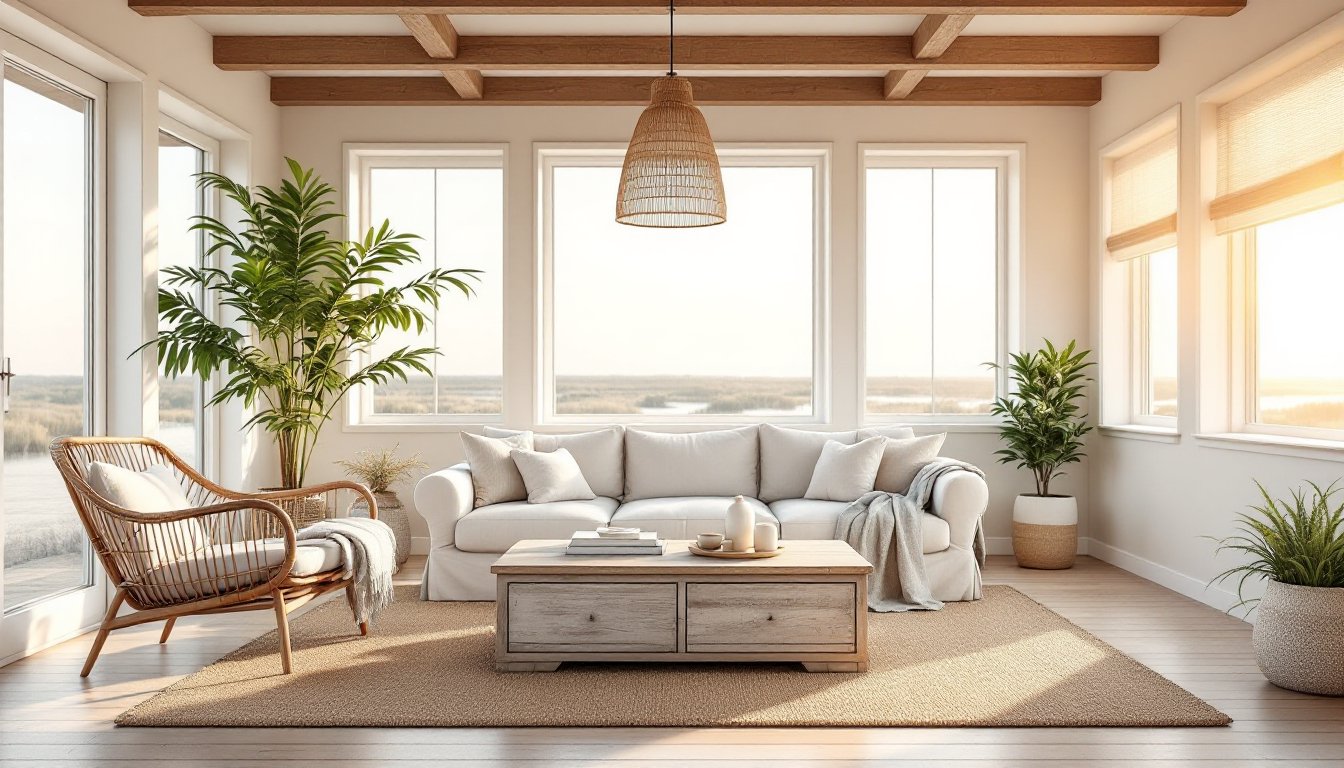
Coastal interior design brings the relaxed, sun-soaked feeling of a beach house into any home, regardless of how far you live from the ocean. This design style isn’t just about slapping seashells on shelves, it’s about capturing the essence of seaside living through intentional color choices, natural materials, and a commitment to open, airy spaces. Whether you’re drawn to nautical interior design elements or prefer the softer side of coastal aesthetics, creating a breezy, light-filled home requires understanding the core principles that make this style work. From weathered wood to soft linens and a carefully curated color palette, coastal interior design ideas can transform even a landlocked living room into a peaceful retreat. Let’s walk through how to bring that tranquil seaside vibe into your home without the salt spray damage.
Key Takeaways
- Coastal interior design is built on simplicity, natural materials, and open spaces—not nautical themes—creating a calm, lived-in aesthetic that feels timeless and uncluttered.
- Use a neutral color palette of soft whites, warm grays, and beiges as your foundation, then layer in muted coastal tones like seafoam, soft blue-gray, and pale sandy yellows for a restful, sophisticated look.
- Prioritize natural textures and materials like linen, jute, sisal, weathered wood, and stone throughout your home to add depth and visual interest while maintaining the airy, light-filled feel.
- Select furniture with clean, simple silhouettes and natural finishes—think slipcovered seating, reclaimed wood pieces, and whitewashed woods—that age gracefully and require minimal maintenance.
- Maximize natural light with large windows and minimal window treatments, then position furniture to maintain open sight lines and encourage flow, keeping the room feeling spacious and inviting.
- In each room, focus on restrained, intentional decor that tells a story without clutter—from bedroom linens to bathroom fixtures to kitchen open shelving—creating a cohesive coastal home that captures seaside elegance.
Understanding Coastal Interior Design Principles
Coastal interior design is built on simplicity, functionality, and connection to natural light and materials. The fundamental principle is straightforward: create spaces that feel open, uncluttered, and reminiscent of beachside living. This means prioritizing natural light, think large windows without heavy treatments, and selecting furnishings that don’t feel overly formal or precious.
One key distinction: coastal design is not the same as nautical interior design. While nautical leans into maritime themes with anchors, ropes, and navy-and-white stripes, coastal design is broader. It’s about the overall feeling of the seaside, the calm, the texture, the layered nature of beach life. Nautical elements may appear in a coastal home, but they’re subtle touches, not the defining feature.
The core philosophy also embraces “lived-in” comfort. Furniture should be durable and easy to maintain, no white silk sofas that require professional cleaning. Decor should feel collected over time, not pristine. Think of it as the interior design equivalent of a well-loved pair of deck shoes.
Another essential principle is respecting views and natural flow. Coastal homes, whether actual beach houses or inspired ones, work best when furniture placement doesn’t block sight lines. A low profile throughout most of the room helps light bounce around and creates that airy sensation that defines the style.
Color Palettes That Capture The Seaside Vibe
The color foundation for coastal design starts with neutrals anchored by the ocean itself. Soft whites, warm grays, beiges, and sandy tones form the backdrop, these act as your primer for the space. Paint walls in shades like warm white or light gray: avoid pure whites or cool grays that can feel sterile.
Layer in secondary colors inspired by the coast: soft blues, seafoam greens, muted teals, and pale sandy yellows. These colors should feel faded by the sun, not vivid or saturated. A single accent wall in a soft blue-gray can anchor a room without overwhelming it. Many designers use shades reminiscent of driftwood, sea glass, or the shallow water where sand meets the tide.
Bringing in beach house interior design principles means your color palette should be restful and sophisticated, not kitschy. Avoid primary colors or anything that shouts “beach vacation.” Instead, reach for the more understated hues you’d see in a professional coastal home photographed for design magazines. If you use accent colors, limit them to two or three, and apply them through textiles and accessories that can be changed seasonally.
Lighting also influences how colors read in your space. Natural light, especially in coastal climates, tends to be bright and diffuse. The soft greens and blues that work beautifully in daylight might feel different under artificial light, so test paint samples in both conditions before committing. A half-gallon sample can save you from a costly mistake.
Essential Furniture And Decor Elements
Coastal furniture selections prioritize simple silhouettes and natural materials. Look for pieces with clean lines, no ornate carving or tufted details. Upholstered seating should be slipcovered in linen, canvas, or cotton twill, in neutral tones or subtle stripes. These fabrics are washable and age gracefully, developing a soft patina that suits the style perfectly.
Wood pieces anchor coastal interiors. Reclaimed wood coffee tables, unfinished wooden shelving, or weathered console tables bring warmth and authenticity. The finish should look naturally aged, a hand-rubbed driftwood look beats high-gloss stain every time. Light oak or whitewashed finishes work well: avoid dark, heavy wood that feels formal.
Decor in coastal spaces is about restraint and intentionality. A few well-chosen accessories, a woven basket, a piece of driftwood, a glass display of shells, tell the story without clutter. Textiles are crucial: linen curtains (unlined or with minimal filtering), woven jute rugs, and layered throw blankets in cream and soft gray add texture while maintaining the light, airy feel.
Natural Materials And Textures
Texture is what elevates a coastal room from bland to inviting. Incorporate natural fibers at every opportunity: jute, sisal, cotton, linen, and wool. A jute rug grounds the living room: linen curtains let in light while softening the view outside: wool throw pillows add comfort without visual weight. Layer these textures to create depth, a room that’s all smooth surfaces feels cold and impersonal.
Stone and natural wood pair beautifully in coastal design. Kitchen and bathroom countertops in light marble, limestone, or reclaimed wood feel authentic and timeless. Flooring in light wood, polished concrete, or large-format light tile supports the open, uncluttered aesthetic. Avoid small, dark floor tiles that chop up the visual space.
Accent materials should feel sourced, not manufactured. Rattan, wicker, and woven materials appear in lighting, furniture, and storage, think pendant lights with rattan shades or a woven headboard in the bedroom. These elements catch and diffuse light in ways that create visual interest without adding visual clutter.
Practical Tips For Every Room
Applying coastal interior design to specific spaces requires understanding how light, function, and mood work in each room. The living room, as the heart of the home, should feel open and inviting, position furniture to encourage conversation but don’t create a dense seating cluster. A single large sofa paired with a lightweight armchair or two, anchored by a natural wood or glass coffee table, creates a balanced, unfussy look.
Kitchens benefit from white or very light cabinetry, open shelving (one or two shelves displaying beautiful dishware), and stainless steel or brushed nickel hardware that resists fingerprints and corrosion. A large, light window over the sink maximizes views and functionality. Countertop accessories should be minimal, a few glass jars, cutting boards, and plants, not a parade of gadgets.
Entryways set the tone for the entire home. A console table in natural wood with a large mirror above, paired with a simple bench or two woven poufs for seating, creates a welcoming first impression. Keep the color palette here as neutral as the rest of the home, this is not the place for bold wallpaper.
Coastal Bedroom And Bathroom Ideas
Bedrooms should feel like a serene retreat. Soft, neutral bedding in linen or cotton (think creams, soft grays, and pale blues) is key. A weathered wood bed frame or a simple upholstered headboard in linen works beautifully. Layer lightweight blankets and pillows in natural fibers. Avoid heavy drapery: instead, use linen Roman shades or simple linen curtains that let natural light filter through during the day.
Bathrooms are ideal spaces for introducing subtle nautical touches, a ship-lap accent wall, a driftwood mirror frame, or fixtures with a brushed brass or nickel finish. Keep fixtures simple and functional. Floating vanities in light wood or white lacquer create an airy feeling and make cleaning easier. Natural stone or light tile flooring, soft lighting, and plenty of plants (ferns and tropical varieties thrive in bathroom humidity) complete the spa-like atmosphere.
Storage is often overlooked in coastal design but is essential to maintaining the uncluttered look. Built-in shelving, open cubbies with woven baskets, or a credenza in natural wood keeps items visible but organized. Coastal homes require functional storage that doesn’t visually compete with the open, airy aesthetic. When designing custom storage, consider materials that will age well, solid wood, natural stain, and simple hardware fit the style far better than glossy finishes.
Conclusion
Creating a coastal interior design home is less about individual purchases and more about committing to a cohesive aesthetic rooted in simplicity, natural materials, and light. The style works because it’s timeless, it won’t feel dated in five years. Whether you’re doing a full renovation or gradually updating your space with beach house interior design elements, focus on quality pieces that will wear gracefully and a restrained color palette. Your goal isn’t to recreate a resort but to capture the calm, unfussy elegance that makes coastal living so appealing. Start with paint and lighting, add natural textures and materials, and let the seaside aesthetic unfold room by room. With thoughtful planning and patience, you’ll transform your home into the breezy, light-filled retreat you’ve been envisioning.