Bohemian Chic Interior Design: The Complete Guide to Creating Your Free-Spirited Home in 2026
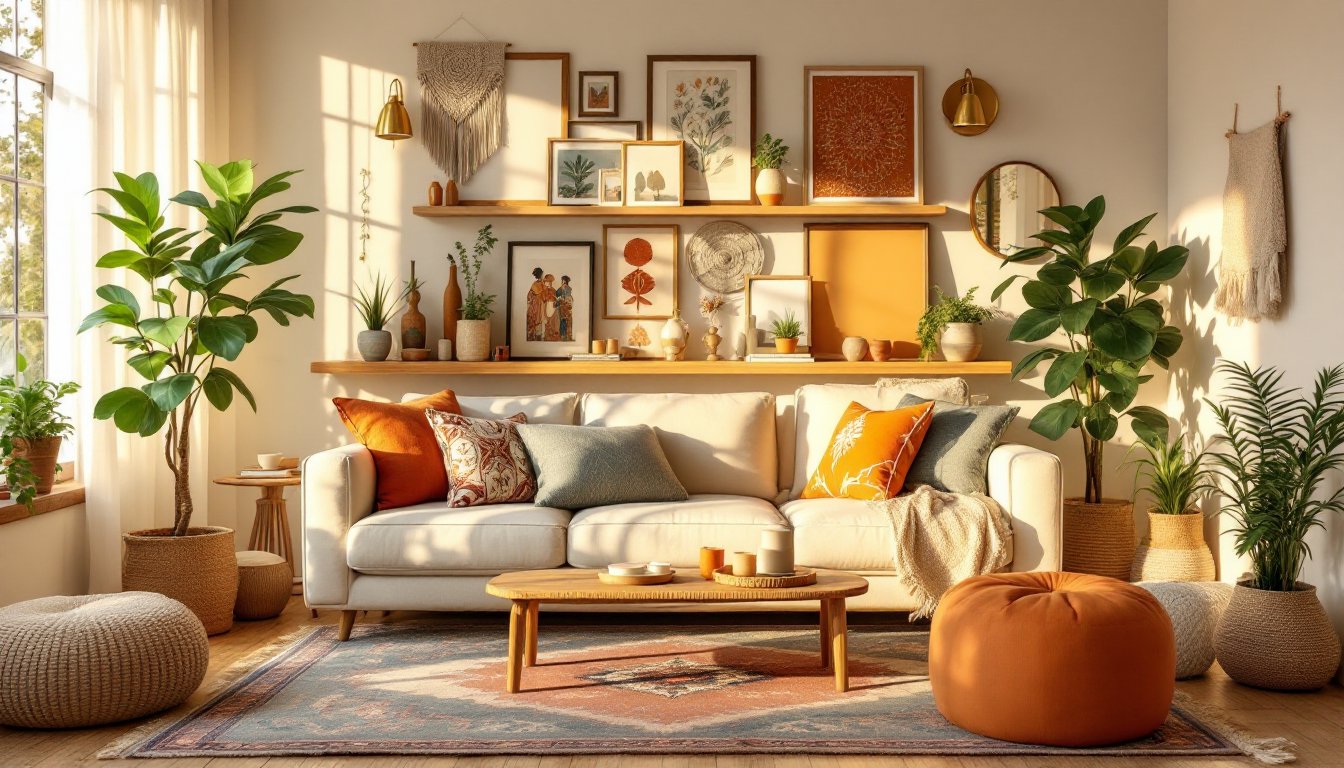
Bohemian chic design has moved beyond Instagram aesthetics into something real homeowners actually live with, and love. If you’re drawn to spaces that feel collected rather than decorated, where comfort trumps matching sets and color flows freely, bohemian style might be your answer. This guide walks through what defines the look, which materials and textures anchor it, and how to translate boho principles into every room. Whether you’re revamping one space or your entire home, you’ll find practical steps to create an authentic, free-spirited interior without chasing trends or blowing your budget.
Key Takeaways
- Bohemian chic interior design is built on intentionality and individuality—mixing patterns, periods, and vintage finds that reflect your personality rather than following rigid design rules.
- Textiles form the backbone of boho spaces; layer rugs, throw pillows, and blankets in natural fibers like linen, wool, and jute to create depth, comfort, and visual interest without overwhelming your room.
- Natural materials and plants are non-negotiable in bohemian chic design—incorporate wooden furniture, woven baskets, macramé hangings, and abundant greenery to anchor your space and connect it to nature.
- Create bohemian living rooms and bedrooms with focal points like gallery walls, layered lighting, and strategically placed accent colors in earthy tones or muted jewel tones while keeping walls neutral.
- Source pieces intentionally from thrift stores and estate sales over time; quality textiles in natural fibers outlast cheap alternatives, making your budget stretch further while supporting sustainable, collected aesthetics.
- Don’t overthink color coordination or symmetry in bohemian interior design—variation and an effortless, curated feel matter more than perfect matching, so embrace mismatched elements that tell your story.
What Is Bohemian Chic Design?
Bohemian chic isn’t a strict formula, it’s a philosophy. At its core, boho embraces individuality, mixing patterns and periods without apology. Unlike minimalism’s rigid restraint or maximalism’s “more is more,” bohemian design asks: does this piece make you happy? Does it have a story?
The style draws roots from nomadic and artistic traditions, reimagined for modern living. It celebrates handmade over mass-produced, vintage over new, and comfort over perfection. Think layered rugs, mismatched pillows, plants everywhere, and a color palette inspired by nature, terracotta, sage, cream, deep jewel tones, applied but you want.
What sets bohemian apart is intentionality wrapped in an effortless feel. You’re not random: you’re curated. A vintage macramé wall hanging next to a contemporary art print, a Moroccan pouf beside a mid-century chair, these combinations work because they reflect you, not a design magazine spread.
Key Elements and Materials to Embrace
Textiles, Patterns, and Layering
Textiles are boho’s backbone. Start with a base, a neutral sofa or bed frame, then layer textures on top. Think throw pillows in linen, cotton, and wool blends: area rugs in jute, wool, or kilim patterns: and blankets draped casually over furniture.
Patterns matter. Bohemian spaces typically mix geometric prints (Moroccan, tribal), floral motifs, and solid colors without fear of clash. The trick is grounding everything with a neutral undertone, if your base is cream or white, bold patterns feel curated rather than chaotic. Use varying scales: a large geometric rug, medium patterned pillows, and small printed textiles in one corner create visual interest without overwhelming the space.
Layering goes beyond aesthetics, it’s functional. Multiple throw blankets mean guests stay warm without a formal throw draped perfectly over the sofa arm. Rugs layered over rugs add depth and comfort underfoot, plus they define zones in open-plan homes.
Natural Materials and Vintage Finds
Bohemian design draws heavily from nature. Wooden furniture, reclaimed, carved, or simply unfinished, anchors rooms. Woven baskets for storage, rattan chairs, macramé wall hangings, and bamboo accents aren’t trendy add-ons: they’re foundational. They breathe, age gracefully, and feel honest.
Vintage and secondhand finds add soul. An old Turkish rug, a grandmother’s wooden trunk, a thrifted brass side table, these aren’t “fixer-uppers” to renovate into sterile perfection. They’re celebrated as-is, scuffs and patina included. This approach also aligns with sustainability: you’re not funding fast furniture: you’re giving existing pieces a home.
Plants are non-negotiable. Trailing pothos, fiddle leaf figs, and snake plants aren’t decoration, they’re residents. Cluster them on shelves, hang them from macramé plant hangers, or let them sprawl across windowsills. They soften hard edges and connect your interior to the living world.
When sourcing materials, prioritize natural fibers over synthetics. Cotton, linen, wool, silk, jute, and leather age beautifully and feel authentic to the boho ethos. Paint colors should lean toward earthy tones or muted jewel tones, ochre, sage, terracotta, dusty rose, charcoal, applied on walls or reserved for accent pieces.
Creating Bohemian Spaces Room by Room
Living Room and Bedroom Inspiration
Your living room is where boho truly shines because it’s a gathering space. Start with a focal point, a fireplace, a gallery wall of art and mirrors in mismatched frames, or a large woven tapestry. Layer your seating: a neutral sofa paired with a colorful accent chair and poufs in different fabrics. Add a low wooden coffee table (or repurposed trunk), and scatter throw pillows in varying textures and patterns across seating surfaces.
The floor is crucial. A jute area rug grounds the room: layer a smaller kilim or vintage rug on top to add warmth and pattern. Open shelving, whether built-in or furniture pieces, offers space to display collected items: books, ceramics, plants, and framed photos.
When designing a bohemian living room, lighting softens the space. Avoid harsh overhead fixtures. Instead, use table lamps with warm-toned bulbs, string lights, or vintage sconces. Candles in glass holders or lanterns add ambient glow without electrical complexity.
Bedrooms benefit from a boho approach even more, this is your personal sanctuary. Invest in quality bedding in natural fibers: a linen duvet in cream or soft gray, layered with quilts and blankets in complementary tones. Pillow arrangements should feel relaxed, not perfectly aligned. A headboard wrapped in macramé or fabric adds texture without major structural work.
Wall space works hard in boho bedrooms. A gallery wall combining art prints, mirrors, and woven hangings creates a focal point above the bed or on an accent wall. If painting, choose a calming color, soft sage, dusty blue, or warm terracotta, that grounds the room without dominating it. Floating wooden shelves display plants, books, and personal items. A vintage rug anchors the bed, and sheer curtains diffuse light while maintaining privacy.
Consider a bohemian approach to interior design that emphasizes comfort over coordination. Mismatched nightstands are fine if they’re both wooden and roughly the same height. A hand-loomed throw at the foot of the bed matters more than matching throw pillows.
If you’re drawn to eclectic global aesthetics, southwestern interior design shares bohemian DNA, earthy materials, bold textiles, and collected art, and can integrate seamlessly into boho spaces. Similarly, understanding southern interior design principles around warm, collected spaces informs how you layer boho elements throughout your home.
Practical Tips for DIY Bohemian Decor
Start with a neutral base. Paint walls in soft, neutral tones or leave them white. This lets textiles, art, and furnishings be the stars. If you prefer color, choose one accent wall in a muted jewel tone, dusty plum, forest green, or burnt sienna, and keep others neutral.
Source intentionally. Thrift stores, estate sales, online marketplaces, and antique shops are treasure troves. Look for wooden frames, brass accents, patterned textiles, and vintage rugs. Don’t rush: boho spaces improve over time as you find pieces that genuinely appeal to you.
Layer rugs without guilt. Rug placement doesn’t require mathematical precision. A jute or sisal rug under a seating area, topped with a smaller patterned rug, creates coziness and defines space. Different textures and patterns work together because the foundation is neutral.
Create a gallery wall. Mix framed prints (find affordable reproductions from artists on platforms like Etsy), mirrors in wood or metal frames, and textiles. Arrange on a flat surface first, photograph it, then transfer measurements to your wall. Use picture hanging wire or nails to hang. This one project transforms a blank wall into a focal point.
Add plants strategically. They don’t all belong in corners. Hang trailing vines from macramé plant hangers, cluster small pots on open shelves, and place a statement plant, fiddle leaf fig, monstera, or pampas grass in a tall vase, near a window. Plants soften hard lines and connect your space to nature.
Embrace lighting layers. One ceiling fixture isn’t boho. Add table lamps with warm-toned bulbs, string lights strung above a bed or along a wall, and candles in glass holders. This creates ambient, adjustable lighting that feels intimate and intentional.
Don’t overthink color coordination. Bohemian spaces feel collected, not coordinated. If your base is neutrals, complementary accent colors, rust, teal, mustard, burgundy, can appear throughout without matching exactly. Variation is the point.
Invest in textiles: skip disposable decor. Quality throw blankets, pillows, and rugs in natural fibers age beautifully. Cheap polyester textiles pill, fade, and feel plastic. Your budget stretches further when pieces last years rather than months. Explore interior design resources that highlight lasting, quality pieces.
Prep surfaces properly before art or hanging. If mounting shelves or hanging heavy art, locate studs with a stud finder and use wall anchors rated for the weight. Drywall anchors alone won’t support a heavy mirror or shelf. For textiles on walls, tapestries, woven hangings, use adhesive hooks rated for the weight, or mount a wooden rod across the top with brackets for a cleaner look.