Earthy Interior Design: Create a Warm, Natural Haven in Your Home
Earthy interior design strips away the complexity and brings warmth, comfort, and authenticity into your living spaces. Rather than chasing trendy color schemes or minimalist extremes, this approach draws directly from nature, think warm browns, soft greens, natural clay tones, and raw materials that feel grounded underfoot. Creating an earthy haven doesn’t require a complete renovation or a designer’s budget: it’s about thoughtful choices in color, material, and texture that work together to make your home feel like a sanctuary. Whether you’re refreshing a single room or overhauling your entire space, earthy interior design offers a practical, timeless foundation that homeowners and DIY enthusiasts can build with confidence.
Key Takeaways
- Earthy interior design prioritizes warm, natural color palettes like terracotta, sage green, and warm grays over trendy or stark tones, creating calm, grounded spaces without designer budgets.
- Essential materials for earthy interior design include real wood, natural stone, clay plaster, and natural fibers like jute and linen, all chosen for their authentic patina and tactile warmth.
- Live plants are foundational to earthy design—group low-maintenance varieties like pothos, snake plants, and ZZ plants in odd numbers with natural terracotta or ceramic containers to introduce genuine natural elements.
- Warm white lighting at 2700K color temperature and layered texture combinations—such as rough wood with soft linen or smooth plaster with nubby rugs—transform earthy spaces from flat to genuinely inviting.
- Earthy interior design works for single-room refreshes or complete renovations and aligns with 2026 design trends as homeowners actively seek personalized, natural living spaces that support relaxation over visual competition.
What Defines Earthy Interior Design
Core Principles and Aesthetic Goals
Earthy interior design centers on authenticity and connection to the natural world. It’s not about literal dirt or moss on your walls, it’s about capturing the visual and tactile qualities that make us feel calm and grounded. The core principle is simplicity paired with warmth: spaces that breathe, materials that age gracefully, and colors that don’t shout for attention.
The aesthetic goals are straightforward. First, create a visual palette rooted in nature: warm browns, soft taupes, sage greens, terracotta, and warm grays replace trendy jewel tones or stark whites. Second, prioritize texture and tactile interest, smooth stone alongside rough wood, woven fabrics paired with soft leather. Third, embrace imperfection and patina: a hand-plastered wall or weathered wood beam adds character that factory-new materials can’t match.
Unlike maximalist or industrial styles, earthy design doesn’t compete for attention. Instead, it supports how you actually live. You can move through rooms without navigating visual clutter. Objects sit comfortably on shelves without strict styling rules. People tend to relax more deeply in these spaces because there’s nothing jarring or demanding. This approach aligns well with broader earthy interior design principles that homeowners are actively seeking as they look to personalize their living spaces.
The Color Palette: Natural Tones and Warm Hues
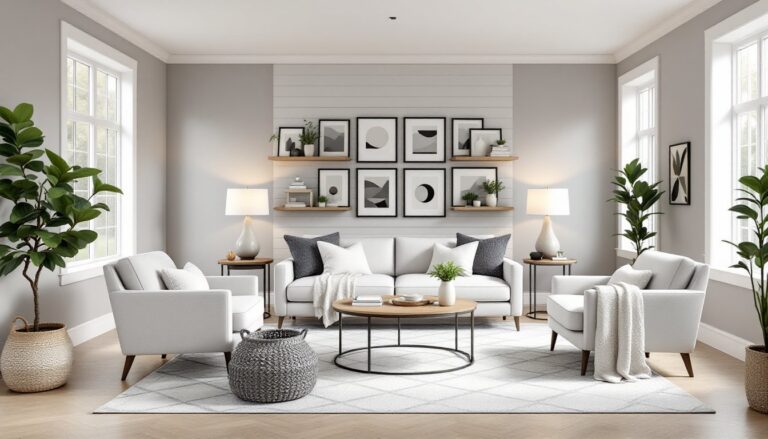
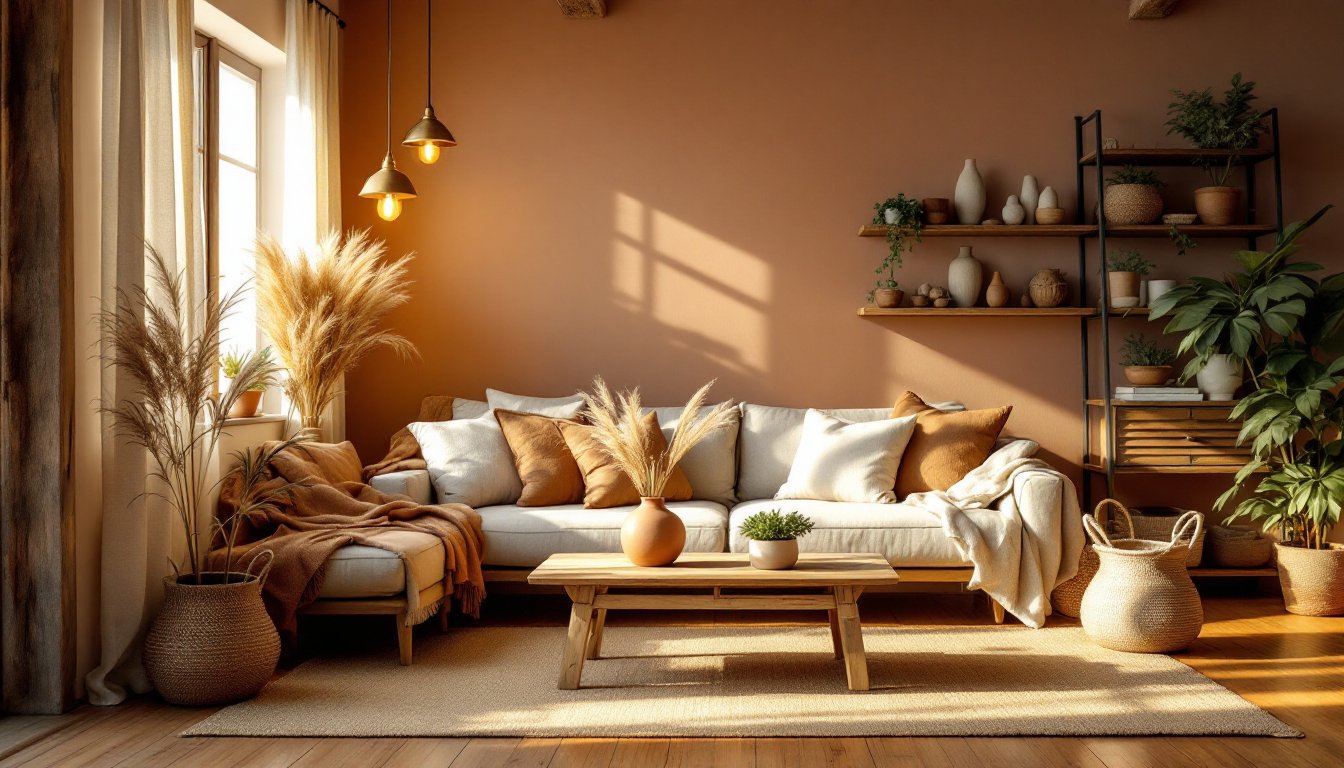
Your color foundation is everything in earthy design. Start with warm neutrals as your base: warm grays (not cool blue-grays), warm whites with beige undertones, soft creams, and rich taupes. These anchor walls, large furniture pieces, and floors. Then layer in accent colors drawn directly from nature: warm terracotta (RGB values around 200–120–80), sage green (softer than forest green), warm ochre, and natural browns ranging from light tan to deep chocolate.
The key word is “warm.” Cool-toned neutrals and grays feel clinical: warm tones feel embracing. A warm white primer and paint with yellow or red undertones will anchor your space far better than a “bright white” or “cool gray” that carries blue undertones. When you’re shopping for paint at a big-box store, ask for samples labeled “warm” or “earthy”, test them on your walls first, as lighting changes how colors read throughout the day.
Accent walls work beautifully in earthy design. Consider one wall in a deeper earth tone, burnished terracotta, warm taupe, or warm gray-brown, while keeping the other three walls in a lighter, neutral base. This adds depth without overwhelming small rooms. Recent 2026 interior design trends emphasize earthy hues as a defining direction, confirming that homeowners are moving toward these warm, natural palettes.
Essential Materials for an Earthy Look
Wood, Stone, Clay, and Natural Fibers
Raw wood is the backbone of earthy design. You don’t need expensive reclaimed barn beams, solid wood flooring (oak, hickory, or walnut), thick wooden shelving, or simple wooden frames achieve the look honestly. Real wood shows grain and color variation: it develops character over time. Avoid overly finished, plastic-looking laminate or veneer: the patina and natural weathering of authentic wood support the earthy aesthetic.
Stone and concrete add grounding weight. Tile with natural stone finishes (slate, limestone, or travertine) for flooring or accent walls brings tactile, authentic quality. Polished granite or sealed concrete countertops work in kitchens and bathrooms without feeling cold when paired with warm wood and textiles.
Clay plaster is becoming more common for DIY projects. It’s breathable, low-VOC, and absorbs and releases humidity naturally. If you’ve worked with drywall compound before, clay plaster spreads similarly but with richer color and texture. One coat provides coverage: two coats deepen the finish. This material costs more than standard paint but transforms a room’s feel.
Natural fibers, jute, sisal, wool, linen, and cotton, form your textile base. A jute area rug anchors a room’s warmth and provides natural softness underfoot. Linen curtains in cream or warm white filter light beautifully without looking sterile. Wool throw blankets, cotton cushion covers, and linen upholstery all reinforce the natural material story. Check fiber content on labels: 100% natural materials age and develop patina: blends often look synthetic longer.
When selecting these materials, plan ahead. Solid wood flooring acclimate for 3–7 days in the room where it will be installed so it adapts to local humidity and temperature. Stone backsplashes and accent walls require proper substrate preparation, don’t skip mounting and waterproofing steps, or you’ll face issues down the road. Platforms like Homedit offer detailed guides on material selection and installation for different rooms.
Bringing Plants and Greenery Into Your Space
Live plants are non-negotiable in earthy interior design, they’re not decoration, they’re part of the foundation. They introduce actual natural elements, improve air quality, and add life and movement that static decor can’t match. You don’t need a greenhouse: even a few well-placed plants shift a room’s entire energy.
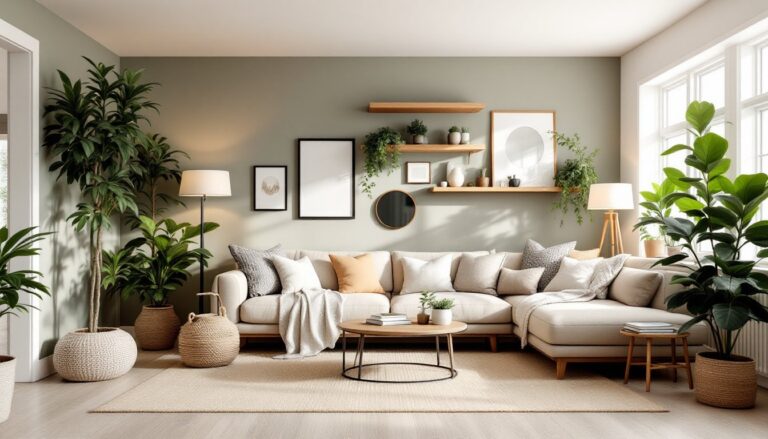
Start with low-maintenance varieties suited to your light conditions. In bright, indirect light, pothos, snake plants, and rubber trees thrive with minimal fussing. In lower light, ZZ plants and cast-iron plants earn their name by surviving neglect. Group plants in odd numbers (three or five) at varying heights on shelves, windowsills, or the floor to create visual rhythm without looking styled.
Choose natural, earthy containers: unglazed terracotta, woven baskets, or matte ceramic pots in warm tones. Avoid bright colors or glossy finishes that compete with the warm, natural palette. Terracotta pots breathe, so soil dries more evenly, better for plants and your watering consistency. If you’re not confident in plant care, start with tough varieties like snake plants or pothos and build from there.
Don’t overlook dried grasses, branches, and dried flower arrangements. A tall branch in a vase or dried pampas grass in a corner adds organic texture and works year-round without watering. These materials reinforce the natural story without requiring active care. Resources like MyDomaine provide curated styling and plant care tips for integrating greenery throughout different room types.
Lighting and Textures That Enhance Warmth
Lighting makes or breaks an earthy space. Warm white bulbs (2700K color temperature) feel cozy and align with the color palette: avoid cool white (4000K) or daylight (5000K) bulbs that clash with earthy tones. Swap out standard ceiling fixtures for warm-toned pendant lights, fabric shades, or vintage-style bulbs with visible filaments that evoke natural candlelight. If you’re installing new fixtures, look for brass, copper, or warm bronze finishes rather than chrome or stainless steel.
Layered lighting is essential. Overhead fixtures alone feel harsh: add table lamps with linen or burlap shades, wall sconces for reading corners, and floor lamps that cast soft pools of light. This approach lets you adjust ambiance, bright for function, dimmed for relaxation. Dimmer switches on overhead lights and lamps (check that your bulbs are dimmable) give you control without major rewiring.
Texture is where earthy design truly comes alive. A smooth plaster wall pairs with a roughly woven throw pillow. Raw wood beams contrast with soft linen upholstery. Worn leather provides visual depth next to smooth concrete. Layer textures intentionally: if your flooring is smooth wood, add a nubby rug. If walls are smooth, introduce textured wallpaper, wall hangings, or a shiplap accent wall. Varied textures create visual interest and invite people to touch and engage with the space.
When selecting Transform Your Home with Stunning Southwest Interior Design Ideas or other earthy-leaning design directions, notice how lighting and layered textures work together to create warmth that photographs can’t fully capture. The feel in the room, how light plays on surfaces, how textures catch your eye at different angles, is what transforms a space from flat to inviting. This is why lighting and texture choices matter as much as color and materials.