70s Modern Interior Design: How to Bring Retro Elegance Into Your Home in 2026
The 1970s have made an undeniable comeback in contemporary interior design, and for good reason. That era’s blend of organic forms, warm earthy tones, and fearless color choices appeals to homeowners tired of sterile minimalism. Whether you’re restoring a mid-century home or simply want to weave 70s modern elements into your current décor, understanding the decade’s design philosophy is the first step. This guide walks you through the essentials of 70s modern interior design, from the foundational style elements to practical implementation strategies you can tackle today.
Key Takeaways
- 70s modern interior design embraces organic forms, warm earthy tones, and eclectic mixing of patterns and textures as a comfortable, livable alternative to sterile minimalism.
- A successful 70s modern color palette balances 70% warm neutrals (beige, terracotta, olive) with 30% jewel-tone accents (emerald, sapphire, plum) applied through accessories and statement pieces.
- Authentic 70s furniture prioritizes function and comfort with tapered legs, curved shapes, substantial proportions, and natural materials like walnut and teak—especially credenzas, sectionals, and low-slung seating.
- Lighting, plants, and natural elements are essential to 70s modern design; use layered lighting with dimmers, incorporate low-maintenance plants like pothos in macramé planters, and celebrate visible wood grain and patina.
- Start your 70s modern refresh with one room, beginning with paint (accent walls in earth tones or jewel shades), then adding key furniture, textiles, lighting, and plants in a phased approach that’s reversible and budget-friendly.
Understanding 70s Modern Design: Key Style Elements and Philosophy
70s modern design emerged as a rebellion against the sleek, cold aesthetics of the 1960s. It embraced comfort, individuality, and a return to nature, all reflected in furniture shapes, materials, and color choices. Unlike the geometric severity of mid-century modern, 70s design softened lines with curves, flared legs, and organic forms that mimicked plants and natural forms.
The philosophy centered on livability. Designers rejected the “don’t sit on it” mentality of precious décor: instead, they created spaces meant for real living. Function married form without apology. You’ll see this in chunky wood frames, deep seat cushions, and accessible storage. Materials shifted toward natural textures, wood in warm honey and walnut tones, ceramic tiles, woven fabrics, and leather that aged beautifully.
Another hallmark was eclecticism. Mixing patterns, textures, and styles wasn’t a design faux pas: it was celebrated. Homeowners combined bohemian influences, global textiles, and industrial elements in single rooms. This permission to mix is what makes 70s modern approachable for DIYers, you don’t need perfect cohesion: you need intention and balance.
Color Palettes and Textures That Define the Decade
Color is where 70s modern truly comes alive. The decade’s palette ranged from restrained and earthy to bold and saturated, depending on regional influences and personal taste. Understanding which direction suits your space is critical before committing to paint or large furniture purchases.
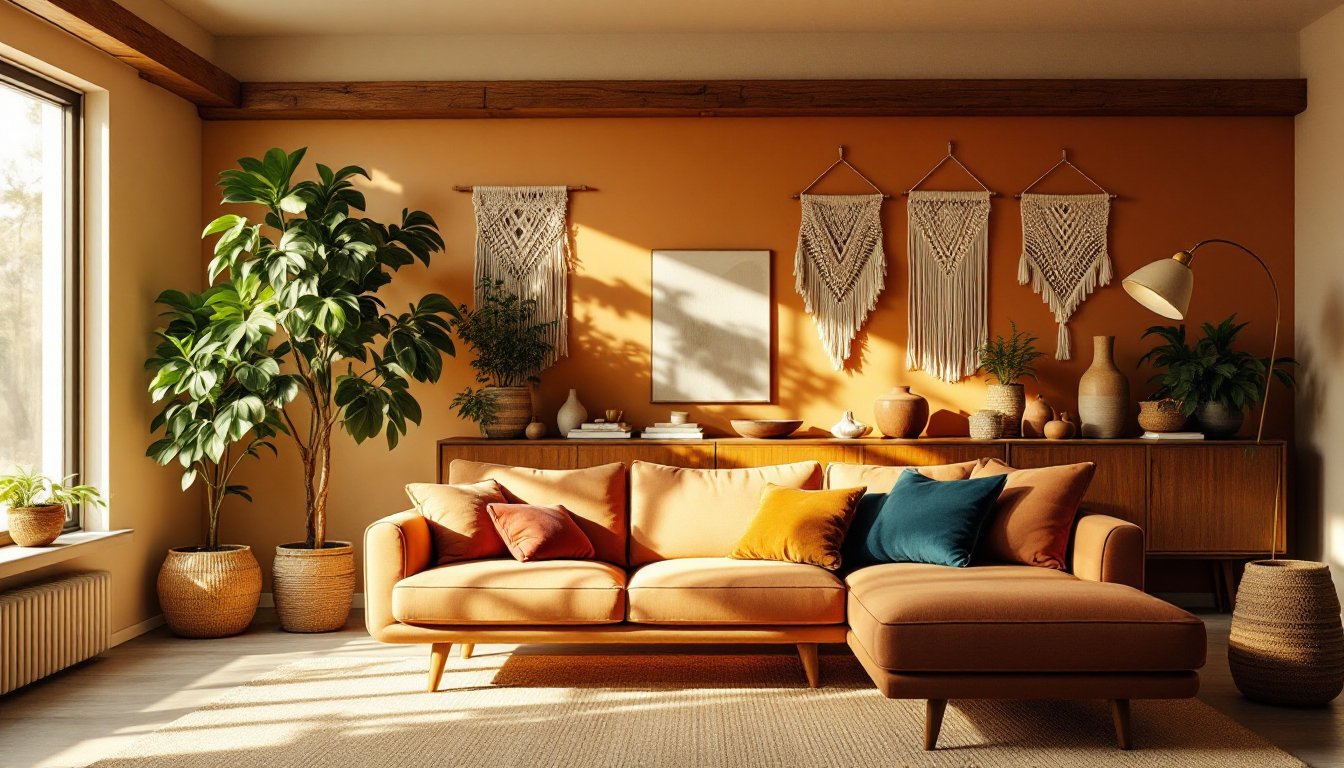
Warm neutrals, burnt orange, mustard yellow, terracotta, and chocolate brown, were foundational. These colors appeared on walls, in upholstered pieces, and as accent textiles. They’re forgiving and create an immediate sense of coziness. Pair them with natural wood and they feel organic rather than dated.
Texture played an equally important role as color. Macramé wall hangings, shag carpeting, velvet upholstery, and woven rattan created depth and tactile richness. Ceramic and glass accessories caught light in ways that flat, modern surfaces couldn’t. When layering textures, start with one dominant pattern, perhaps a geometric throw pillow, then add solid textures like a jute rug or woven basket. This prevents visual chaos.
Warm Earth Tones and Jewel Accents
Earth tones form the backbone of any 70s interior. Start with walls in warm beige, soft terracotta, or muted olive. These create a neutral canvas that feels warm without overwhelming small spaces. On an accent wall, deeper shades like rust or forest green add drama without the commitment of painting an entire room.
Jewel-tone accents, emerald, sapphire, and deep plum, inject personality. Use these sparingly through pillows, artwork, or a single piece of furniture. A deep green velvet armchair or jewel-toned throw blanket reads as intentional rather than chaotic. When combining earth tones and jewel accents, maintain a rough 70-30 ratio: 70% warm neutrals, 30% bolder colors. This keeps the space balanced and livable.
Furniture and Decor Essentials for Authentic 70s Interiors
Authentic 70s furniture has specific characteristics worth understanding before shopping. Look for pieces with tapered, splayed legs (often angled outward), rounded armrests, and substantial proportions. Low-slung seating was iconic, sofas and chairs sat closer to the ground than modern standards.
Key pieces to hunt for include a sectional sofa with curved sections, a low credenza or console table in walnut or teak, nesting tables, and a statement armchair in velvet or leather. Credenzas originally served storage functions and remain functional today: they’re excellent for hiding media equipment or household items while maintaining that authentic vibe. When sourcing pieces, thrift stores, Facebook Marketplace, and estate sales offer better authenticity and value than reproduction furniture, though new pieces designed in 70s style work if they meet the proportion and material standards.
Accessories matter enormously. Ceramic planters in geometric patterns or matte earth tones, brass or ceramic table lamps with linen shades, and glass or brass side tables complete the look. Incorporate reviving 1980’s interior design elements sparingly if you like bolder accents, the two decades overlap in many design principles. Avoid overly polished or ultrasleek finishes: 70s design embraced visible wood grain, patina, and a lived-in quality.
Choosing Pieces That Balance Form and Function
The beauty of 70s modern is that form and function never competed, they existed equally. When selecting furniture, ask yourself: Does it serve a purpose? Can I realistically use it? If a piece looks perfect but offers nowhere to set a drink or would be uncomfortable to sit on, it’s decoration masquerading as furniture.
Choose upholstered pieces you can actually sink into. Modern furniture often prioritizes aesthetics over comfort: 70s pieces were built for lounging. Storage is non-negotiable: credenzas, sideboards, and open shelving allow you to display and organize simultaneously. Mixing vintage and new works if you maintain consistent materials and proportions. For instance, pair a vintage credenza with a modern sofa reupholstered in period-appropriate linen or linen-blend fabric. This approach transforms your home with stunning design ideas while keeping things practical and manageable.
Lighting, Plants, and Natural Elements in 70s Design
Lighting in 70s interiors was purposeful and sculptural. Pendant lights with paper or linen shades, brass floor lamps with arc designs, and ceramic table lamps weren’t just functional, they were design statements. Harsh overhead lighting was avoided: instead, layered lighting with dimmers allowed mood adjustment. If you’re updating existing fixtures, consider replacement pendant lights or a statement floor lamp in brass or wood. These need no wiring expertise if replacing existing fixtures: simply swap shades and bases following the fixture’s manual.
Plants were central to 70s design philosophy. Hanging macramé planters with trailing pothos or philodendron created green focal points without taking floor space. Large-leafed plants like fiddle leaf figs or monstera added drama. Plants softened hard furniture edges and reinforced the “nature indoors” aesthetic. Start with low-maintenance varieties, pothos, snake plants, and rubber plants forgive inconsistent watering and thrive in varied light conditions. Display them in ceramic or terracotta planters, or hang them in macramé holders (either vintage or newly made reproductions).
Natural elements extended beyond plants. Wood was celebrated in its raw state, exposed beams, wooden wall paneling, and unfinished shelving. Stone, brick, and ceramic tiles appeared in kitchens and bathrooms. These materials age gracefully and don’t require constant maintenance. If your home lacks these elements, incorporate them through smaller pieces: wooden cutting boards displayed on open shelving, terracotta tiles as trivets or wall accents, or a single accent wall of wood shiplap or paneling. These updates feel period-appropriate without major renovation. Modern design sources like Decoist and Domino offer inspiration for blending vintage elements with contemporary comfort.
Bringing 70s Modern Into Your Home: Practical Implementation Tips
Starting a 70s modern refresh doesn’t require gutting your home. Begin with one room, a living room or bedroom works well, to test your color palette and gauge the look before committing everywhere.
Step 1: Paint. Choose an accent wall in a warm earth tone or soft jewel shade. Sample paint swatches on your walls and observe them at different times of day: lighting dramatically affects how colors read. Warm whites or soft beiges for remaining walls prevent the space from feeling heavy. Quality interior paint (120-150 square feet per gallon coverage) in a satin or eggshell finish is durable and cleanable, avoid flat finishes in high-traffic areas.
Step 2: Source Key Furniture. One substantial piece, a credenza, sectional, or statement armchair, anchors the room. This doesn’t need to be vintage: a reproduction in appropriate proportions and materials works equally well. Budget 4-8 weeks if ordering custom upholstery: vintage pieces require immediate assessment for structural soundness and reupholstery costs (typically $400-1500 per piece depending on complexity).
Step 3: Add Textiles and Texture. Throw pillows in contrasting textures, velvet, macramé, woven wool, introduce pattern and comfort without permanent commitment. A jute or sisal rug grounds the space and adds organic texture. Macramé wall hangings or woven tapestries complete the bohemian element. These are easily removable if your style evolves.
Step 4: Incorporate Lighting and Plants. Replace or augment existing lighting with a brass floor lamp or ceramic table lamp. Add 3-5 plants in varying heights and pot styles. Hang a pothos or trailing plant in a macramé holder. This greenery instantly softens the space and improves air quality, practical and aesthetic.
Step 5: Style Shelves and Surfaces. Display books, ceramic vessels, and small plants on credenzas or open shelving. Avoid cluttering: negative space is as important as objects. Group items in odd numbers (3 or 5 ceramic pots, for example) rather than pairs, a 70s principle that feels intentional rather than formulaic.
If structural changes appeal to you, exposing wood beams, adding shiplap, or tiling a feature wall, these warrant discovering the charm of design principles specific to your existing architecture. Start with cosmetic updates first: they’re reversible, affordable, and let you test whether the 70s modern direction resonates with your home’s bones.