Master Your Bedroom Design: The Ultimate Guide to Creating Your Dream Sanctuary in 2026
Your bedroom isn’t just a place to sleep, it’s your personal refuge. Whether you’re starting from scratch or refreshing tired décor, bedroom decoration design requires thoughtful planning to balance aesthetics with comfort. A well-designed bedroom combines color psychology, smart lighting, functional furniture, and layered textures to create a space that feels both visually cohesive and genuinely restful. This guide walks you through the essentials of bedroom decoration, from picking your style to organizing your space, so you can design a room that truly reflects who you are and supports the rest you deserve.
Key Takeaways
- Bedroom decoration design begins with selecting a cohesive style and color palette—soft blues, greens, and grays promote relaxation, while darker tones require strategic lighting to avoid feeling oppressive.
- Layered lighting combining ambient, task, and accent fixtures with warm white tones (2700K–3000K) creates flexibility and supports better sleep quality.
- Furniture arrangement should prioritize function and flow, with the bed as the anchor and nightstands at mattress height (24–26 inches) for easy reach and comfort.
- Quality bedding and textured layers—mixing cotton, linen, velvet, and wool—elevate the bedroom while providing practical temperature control and visual interest.
- Strategic storage solutions, including closet organization, under-bed drawers, and vertical shelving, eliminate visual clutter and enhance the peaceful, restful atmosphere of your bedroom decoration.
- Wall treatments like accent walls, wooden paneling, artwork scaled to span two-thirds of your bed width, and coordinated curtains complete the cohesive design without overwhelming the space.
Choose Your Design Style and Color Palette
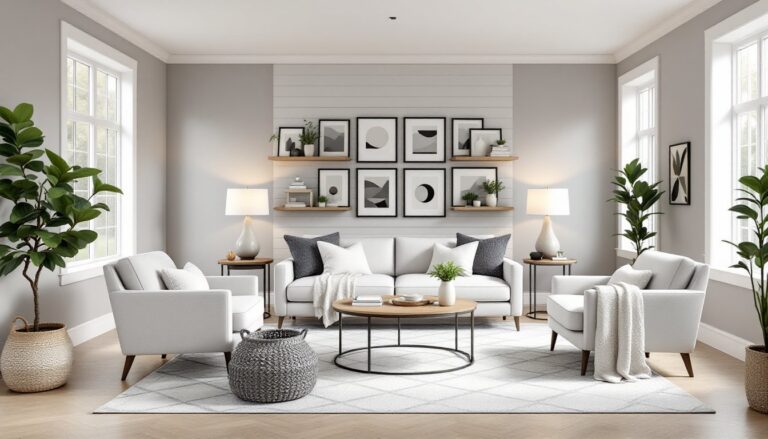
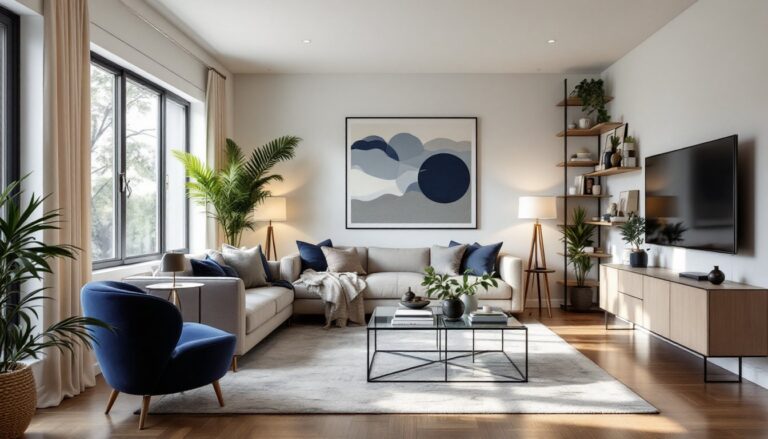
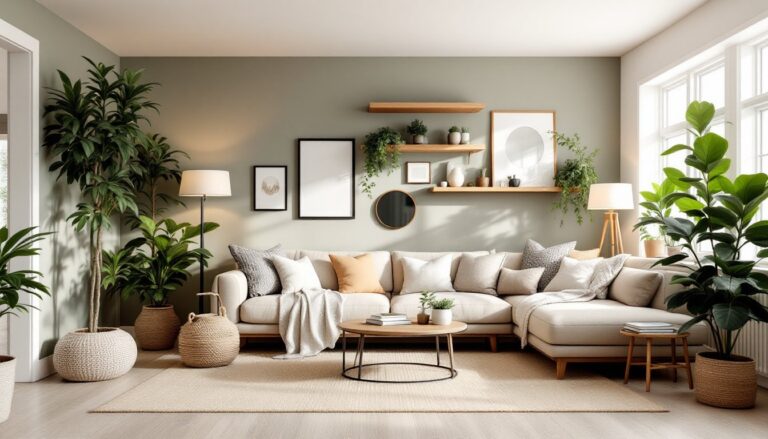
Your bedroom’s style and color scheme set the tone for everything that follows. Start by identifying a design direction that resonates with you, modern, minimalist, Scandinavian, traditional, boho, rustic, or transitional. Each style has its own visual language and emotional impact.
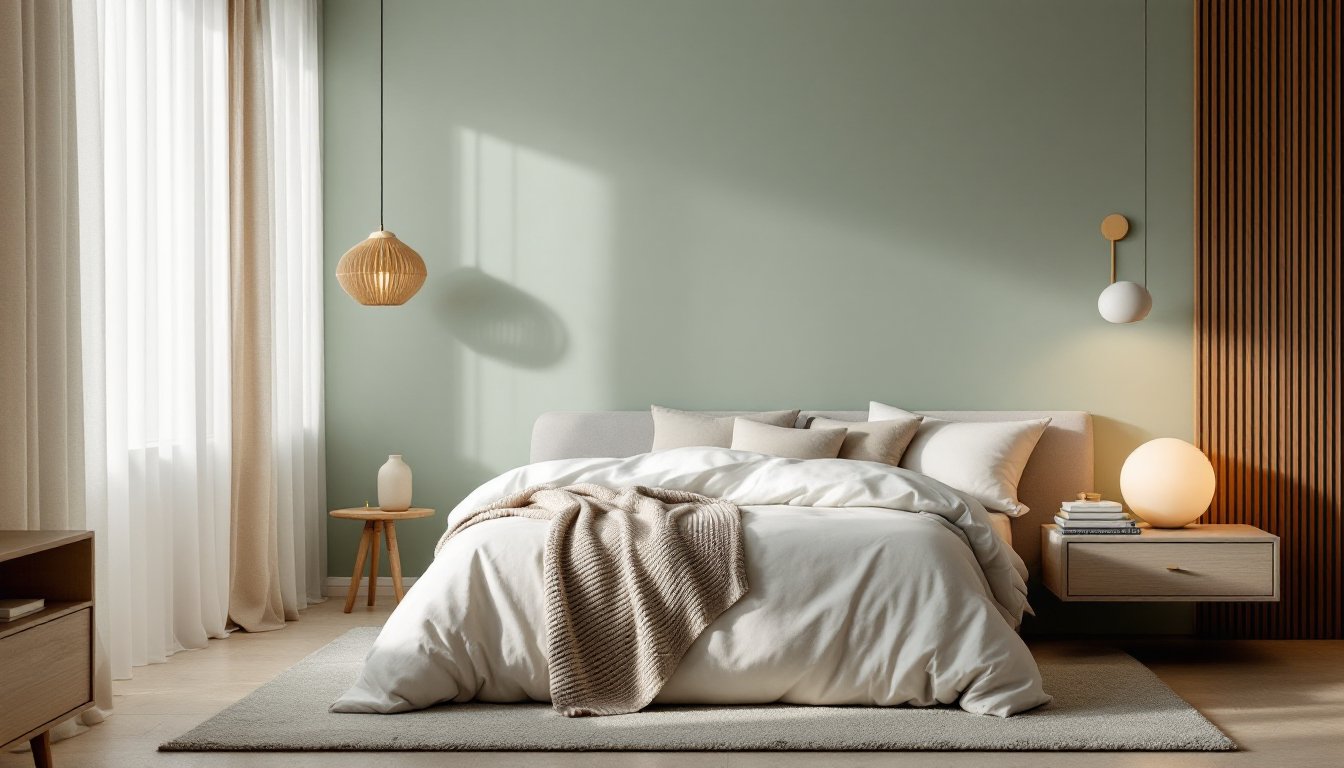
Color is the most powerful tool in bedroom decoration. Soft blues, pale greens, pastel pinks, light grays, and soft whites create a serene, restful atmosphere, ideal if your goal is deep sleep and relaxation. These colors naturally calm the nervous system and reduce visual stimulation.
If you prefer a moodier, cozier aesthetic, consider navy, charcoal, deep greens, or warm browns. Just remember to balance darker walls with lighter ceilings, bedding, and accents to avoid feeling claustrophobic. The key is intentionality: dark bedrooms demand more ambient and task lighting than light ones.
Build a cohesive color palette by selecting one or two main colors and two to three accent colors. Pay attention to undertones, warm colors (beiges with yellow undertones) versus cool colors (grays with blue undertones) should complement each other throughout your space. Before painting, test large paint swatches in your actual bedroom lighting at different times of day. What looks perfect at noon may feel different at dusk.
For guidance on refining your personal design direction, you might explore design quizzes to discover your style and clarify your preferences before making permanent decisions.
Plan Your Lighting for Comfort and Ambiance
Lighting is the difference between a bedroom that feels peaceful and one that feels harsh or unwelcoming. Use layered lighting, a combination of ambient, task, and accent light, to create flexibility and mood.
Ambient lighting forms the base. Ceiling lights, flush-mount fixtures, or dimmable overhead fixtures provide general illumination. Dimmers are essential: they let you adjust brightness as the day winds down, signaling your body to prepare for sleep.
Task lighting handles specific functions. Bedside lamps positioned on nightstands or mounted as wall sconces let you read without sprawling across the bed. Reading lights should direct light onto your page without casting glare into your eyes or your partner’s.
Accent lighting adds character and visual depth. LED strips behind a headboard, picture lights, or small decorative lamps highlight art and add atmosphere without overwhelming the space.
Choose warm white light, around 2700K to 3000K color temperature, for bedrooms. This warm tone supports relaxation and melatonin production, unlike cool-white (4000K+) bulbs, which can feel sterile and interfere with sleep.
If your walls are dark, plan for more overall illumination. Dark schemes require stronger ambient and accent lighting to feel comfortable and prevent the space from feeling like a cave after sunset. A well-lit dark bedroom feels intimate: a poorly lit one feels oppressive.
Select Furniture That Balances Style and Function
Your bed is the anchor, choose a size appropriate to your room and leave walking space around it. A queen in a small room can feel cramped: a twin in a large bedroom can look lost. Aim for at least 2 to 3 feet of circulation space on non-wall sides.
Nightstands ideally match the mattress height (typically 24–26 inches from floor to surface) so you can reach items easily without straining. Include at least one drawer or shelf for essential items like books, a lamp, or a phone charger.
Dressers and wardrobes anchor the opposite wall. Consider depth (24 inches is standard) and whether doors swing inward or slide. In tight rooms, sliding doors or low-profile pieces preserve floor space and improve traffic flow.
Incorporate multi-functional furniture to maximize utility. Storage beds with built-in drawers underneath, benches with lift-top storage, or desks that double as vanities reduce clutter and give your bedroom room to breathe. Every piece should earn its place by combining beauty with purpose.
When arranging furniture, ensure bedroom decoration flows naturally. The bed typically anchors one wall: nightstands flank it: a dresser or seating anchors the opposite or adjacent wall. Leave room to open closet doors, windows, and drawers fully. Poor furniture placement creates obstacles and tension in the space.
Add Layers and Textures With Bedding and Textiles
Layers and textures are what elevate a bedroom from plain to inviting. Start with quality basics: a firm mattress, fitted sheets, and a comfortable topper if needed. Then build up with a flat sheet, duvet or comforter, a lightweight blanket or throw, and multiple pillows.
Mixing textures creates visual interest without clashing. Pair breathable cotton or linen sheets with quilted duvets, knit blankets, or velvet throws. A bouclé or textured pillow next to a smooth silk pillowcase feels rich and dynamic. Vary your textures but keep the color palette unified, accent colors should echo throughout the room’s walls, furniture, and bedding.
Choose bedding materials thoughtfully. Cotton breathes and feels soft against skin: linen has a relaxed, slightly textured look. Wool blankets provide warmth without bulk. Velvet or faux fur throws add luxury but require careful care. Match your choices to your climate and personal comfort.
Layered bedding serves a practical purpose too: it lets you adjust warmth without relying solely on air conditioning or heating. A lightweight throw in summer or a heavier blanket in winter gives flexibility without overheating the entire room. Bedroom decoration that accounts for comfort as well as looks pays dividends every night you sleep.
Incorporate Decor Elements and Wall Treatments
Wall treatments and soft furnishings define your bedroom’s character and atmosphere. Paint is the simplest option: light neutrals expand the sense of space and pair with any furniture color, while deeper tones create a cocooning feel. Wallpaper, wood panels, or wainscoting add pattern and architectural interest without overwhelming small spaces.
Wooden wall design is a growing trend in bedroom decoration, adding warmth and texture behind the bed or along accent walls. Real shiplap or reclaimed wood offers authenticity: modern plywood slat systems deliver the look at lower cost.
Area rugs define the bed zone, soften acoustics, and add color and pattern underfoot. A rug 6–8 feet wide, centered under the bed, anchors the space visually. Choose durable, easy-clean materials, wool, jute, or machine-washable synthetics hold up to foot traffic.
Curtains and blinds should coordinate with your color palette while serving practical needs. Blackout curtains improve sleep quality by blocking light, while sheer curtains filter harsh morning sun. Double-rod systems let you layer both for flexibility.
Wall Art and Accent Walls
An accent wall, typically behind the bed, provides a focal point without committing the entire room to bold color or pattern. Use darker paint, wallpaper, wood slats, or a gallery of framed art to draw the eye. Bold hues like lilac, deep red, or jewel tones work best as accents rather than all-over color to avoid overstimulation in a sleep space.
When hanging art, scale matters. Over the bed, pieces should span roughly two-thirds of the bed width, a small print centered above a queen looks lonely. Colors in artwork should echo your room’s palette to maintain cohesion. Mix frame styles and spacing for a curated, collected look rather than a sterile grid.
Maximize Storage and Organization
A cluttered bedroom undermines even the most beautiful design. Strategic storage is both functional and aesthetic, it keeps surfaces clear and supports the calm, restful feeling you’re after.
Closet organization is the foundation. Install double hanging rods to maximize vertical space, add shelves above for off-season items, and use drawers or bins for small items. Slimline hangers free up rod space: over-door organizers hold accessories without taking up wall space.
Under-bed storage is goldmine real estate. Rolling drawers or lift-up storage bases hold off-season bedding, extra pillows, or rarely-used items while staying invisible. Keep contents organized with labeled bins so you can find items without dumping everything out.
Vertical solutions maximize small rooms. Tall dressers, floating shelves, hooks behind the door, or wall-mounted cabinets pull storage off the floor. Nightstand trays and dresser inserts contain clutter, a tray for a lamp, phone, and book looks intentional and tidy.
For those committed to transforming their bedroom, budget-friendly DIY projects like building floating shelves, installing wall hooks, or adding closet rods offer affordable storage without professional help. The goal is to eliminate visual noise so your bedroom decoration feels peaceful and restorative, not chaotic. Remember: in a bedroom, less is almost always more.