Modern Rococo Interior Design: How to Bring Ornate Elegance Into Your Home in 2026
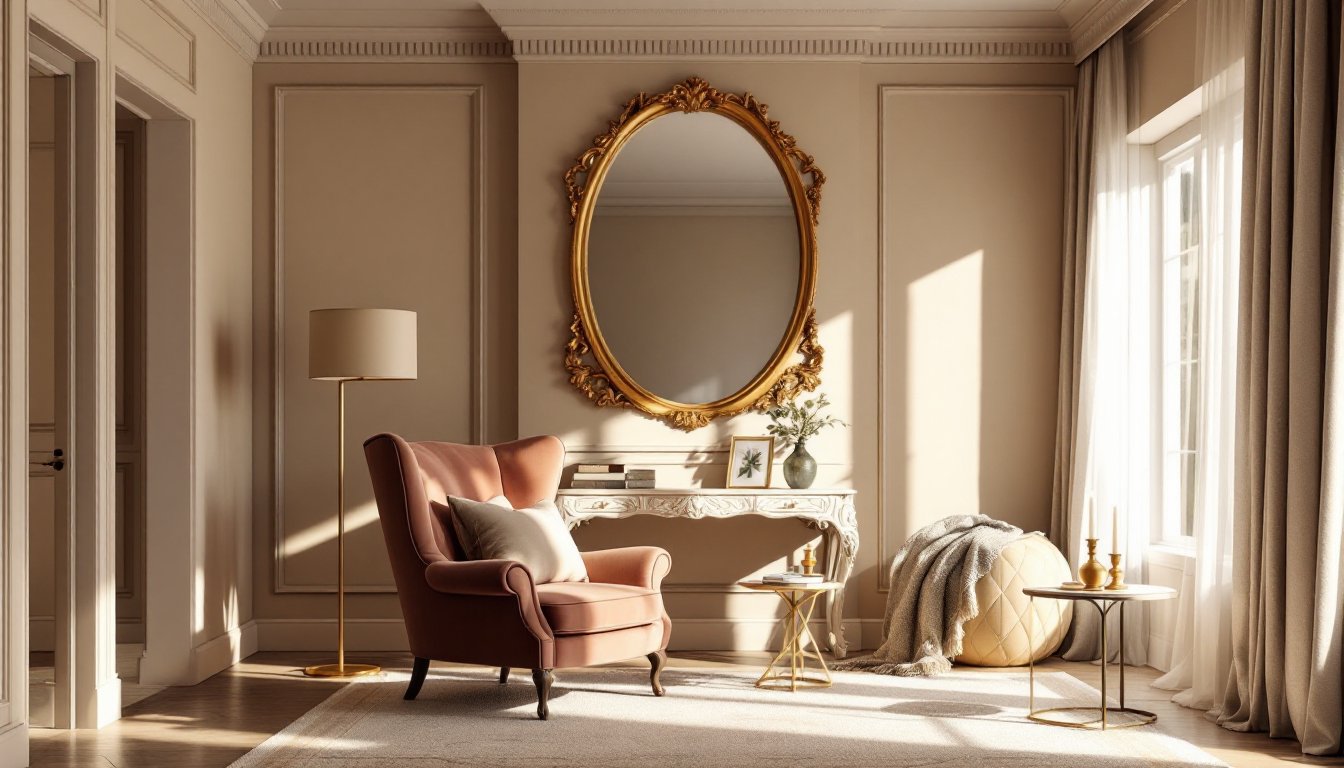
Modern rococo interior design flips the script on maximalist décor. Instead of dusty, stuffy period rooms, today’s rococo-inspired homes blend historical ornament with clean lines, curated restraint, and contemporary finishes. If you’ve scrolled past those lush, velvet-upholstered chairs with gilded frames or spotted curved mirrors and crown molding in trending design feeds, you’ve seen modern rococo in action. This design movement has gained serious traction with DIYers and homeowners who want personality without chaos. The beauty of modern rococo is that you don’t need a palace budget to pull it off, thoughtful placement, the right paint color, and a few statement pieces can transform a basic room into something genuinely elegant.
Key Takeaways
- Modern rococo interior design balances ornamental elegance with contemporary restraint, allowing homeowners to add personality through statement pieces without overwhelming spaces with excess.
- Soft neutral color palettes, matte finishes, and selective metallics form the foundation of modern rococo, keeping ornate details visually prominent rather than chaotic.
- You can achieve modern rococo on a budget by sourcing statement furniture from thrift stores and estate sales, investing in quality paint, and focusing on one architectural detail rather than attempting multiple features.
- Strategic layering of velvet textiles, ornate mirrors, and curved furniture pieces transforms basic rooms into elegant spaces when paired with clean walls and intentional negative space.
- Modern rococo works best when anchored by a single focal point—such as a gilded mirror or tufted sofa—with simpler surrounding pieces to maintain visual balance and sophistication.
- The design movement appeals to younger homeowners rejecting both minimalism and maximalism in favor of playful, personal spaces that capture romance and theatrical flair with 21st-century sensibility.
What Is Modern Rococo Design?
Modern rococo strips away the overwrought excess of 18th-century rococo while keeping its ornamental heart. Think of it as rococo’s chill, edited cousin. Where traditional rococo drowns a room in curving details and layers of pattern, modern rococo singles out the best elements, a statement mirror here, a sculptural sofa there, and pairs them with neutral walls and breathing room.
The style emerged as Gen Z and younger millennials started hunting for pieces with soul and history at vintage markets and estate sales. Contemporary makers caught on, producing rococo-inspired furniture that nods to the original without the kitsch. The movement isn’t about faithfulness to period: it’s about capturing that sense of romance and theatrical flair while keeping a 21st-century sensibility. You’ll find Gen Z-driven design trends including rococo revival gaining momentum as younger homeowners reject both minimalism and maximalism in favor of something more personal and playful.
The core idea is balance. Ornate details coexist with restraint. A gilded mirror doesn’t need a matching gilded chandelier: it needs a simple white wall and good lighting to shine.
Key Characteristics of Modern Rococo Interiors
Color Palettes and Finishes
Modern rococo color schemes are carefully composed, not chaotic. Neutrals, soft whites, creams, warm grays, and pale taupe, form the foundation. These keep ornamental pieces from overwhelming the eye. Accent colors come in softly. Dusty rose, sage green, warm gold, and muted terracotta appear in small doses through textiles, wallpaper, or a single painted accent wall.
Finishes matter enormously. Matte and chalky paints in soft hues create a sophisticated backdrop. Metallics, particularly gold leaf, brass, and rose gold, add luster to trim, mirror frames, and hardware without screaming opulence. High-gloss or lacquered finishes on statement pieces (like a jewel-toned velvet ottoman or a sculptural chair) create visual weight and drama. When you’re shopping for wall paint, look for samples labeled “heritage” or “historic” finish: they typically have a slight texture and warmth that complements ornate details better than bright, flat modern whites.
Furniture and Architectural Elements
Modern rococo furniture spotlights curves, claw feet, carved frames, and symmetrical silhouettes. A tufted wingback chair, camelback sofa, or curved console table are rococo staples. The trick is choosing pieces that read as refined rather than fussy, look for clean proportions and one or two standout details rather than maximum ornamentation on every inch.
Architectural elements include crown molding, chair rail, wainscoting, and arched doorways. You don’t need to install every one: even adding crown molding to a single wall or exploring crown molding with interior design inspiration can shift a room’s presence. Decorative ceiling medallions, plasterwork, or subtle wallpaper with delicate patterns also read rococo without looking costume-like. If you’re renting or can’t commit to permanent changes, wallpaper is your friend, peel-and-stick options now come in genuine rococo-inspired prints and can be removed cleanly.
How to Incorporate Modern Rococo Into Your Home
Start by choosing one “statement” piece, a mirror, dresser, or sofa, that will anchor the aesthetic. Paint the room around it in a soft neutral. This prevents the design from feeling scattered.
Step-by-step approach:
-
Paint walls first. Choose a soft, warm neutral as your base. Apply two coats of quality paint in a matte or eggshell finish (eggshell hides imperfections slightly better than flat finishes). Ensure walls are clean, sanded smooth if necessary, and primed if you’re covering a darker color. Allow 24 hours between coats and before hanging anything.
-
Add architectural trim. If you’re handy, crown molding is achievable. Use a power miter saw for clean 45-degree cuts on corners. Measure twice, cut once, and use a stud finder to locate solid backing before nailing. Pre-drill holes to prevent splits in hardwood or composite trim. If installing chair rail or wainscoting, snap a chalk line at the desired height (typically 32–36 inches from the floor) to keep it level. If permanent installation isn’t possible, removable wallpaper with geometric or floral rococo patterns delivers the vibe without commitment.
-
Introduce statement furniture. A single ornate piece, a velvet sofa, a gilded mirror, a curved console, becomes the focal point. Keep surrounding pieces simpler. Pair a tufted chair with a plain side table and a modern lamp.
-
Layer textiles. Velvet throws, silk cushions, and damask or toile patterned pillows add texture and softness. Limit patterns to one or two per room to avoid visual noise. A plush area rug grounds the seating area.
-
Hang the mirror. A large, ornate mirror opposite a window multiplies light and creates depth. Use a stud finder to locate framing behind the wall, and use heavy-duty picture hangers rated for the mirror’s weight. For oversized mirrors (over 30 pounds), consider professional installation or recruit a second pair of hands, these pieces are awkward and easy to damage.
-
Accessorize with intention. A few well-chosen objects, antique books, a brass candlestick, a small oil painting, a ceramic figurine, tell a story. Avoid cluttering shelves: negative space is your ally. Exploring interior design inspiration from trusted sources can help you curate a cohesive look without overdoing it.
Modern Rococo Design on a Budget
Modern rococo doesn’t demand a five-figure budget. Thrift stores, Facebook Marketplace, and estate sales are goldmines for authentic period pieces or rococo-inspired reproductions at a fraction of retail. Look for solid wood furniture with good bones, a wobbly chair can be reglued and reupholstered, but structural damage is a dealbreaker.
Paint is your cheapest transformation tool. A $40 can of quality paint on four walls costs less than $200 in labor or supplies elsewhere and completely resets a room’s mood. Skip the expensive wallpaper and opt for budget-friendly peel-and-stick versions if you want pattern without permanence.
Mirrors don’t have to be antique to feel rococo. Affordable gold-framed mirrors from budget retailers work beautifully when styled purposefully. Pair a $60 mirror with an expensive-looking paint color and good lighting, and it reads as intentional design, not a bargain-bin grab.
For architectural details, focus on one feature. A single wall of DIY crown molding, installed yourself, costs under $200 in materials and takes a weekend. Skip the rest if budget is tight: one well-done detail outshines half-finished efforts everywhere. If you’re nervous about installation, a short tutorial and a helper make the project manageable, crown molding is forgiving once you nail the angle cuts.
Textiles are where you can splurge or save strategically. A quality velvet throw ($30–50) draped over a plain $200 sofa transforms it: that’s a better investment than a mid-range upholstered piece without character. Pillows and cushions are cheaper swaps if trends shift.
Conclusion
Modern rococo is proof that ornament and restraint can coexist. You don’t need to commit to a maximalist overhaul or strip your home to minimalist bones. Pick your favorite rococo elements, curves, gilding, softness, or drama, and layer them thoughtfully into your space. Start small, trust your instincts, and remember that the best rooms tell a personal story, not a designer’s template.