Chinoiserie Interior Design: Bringing Exotic Eastern Elegance Into Your Home in 2026
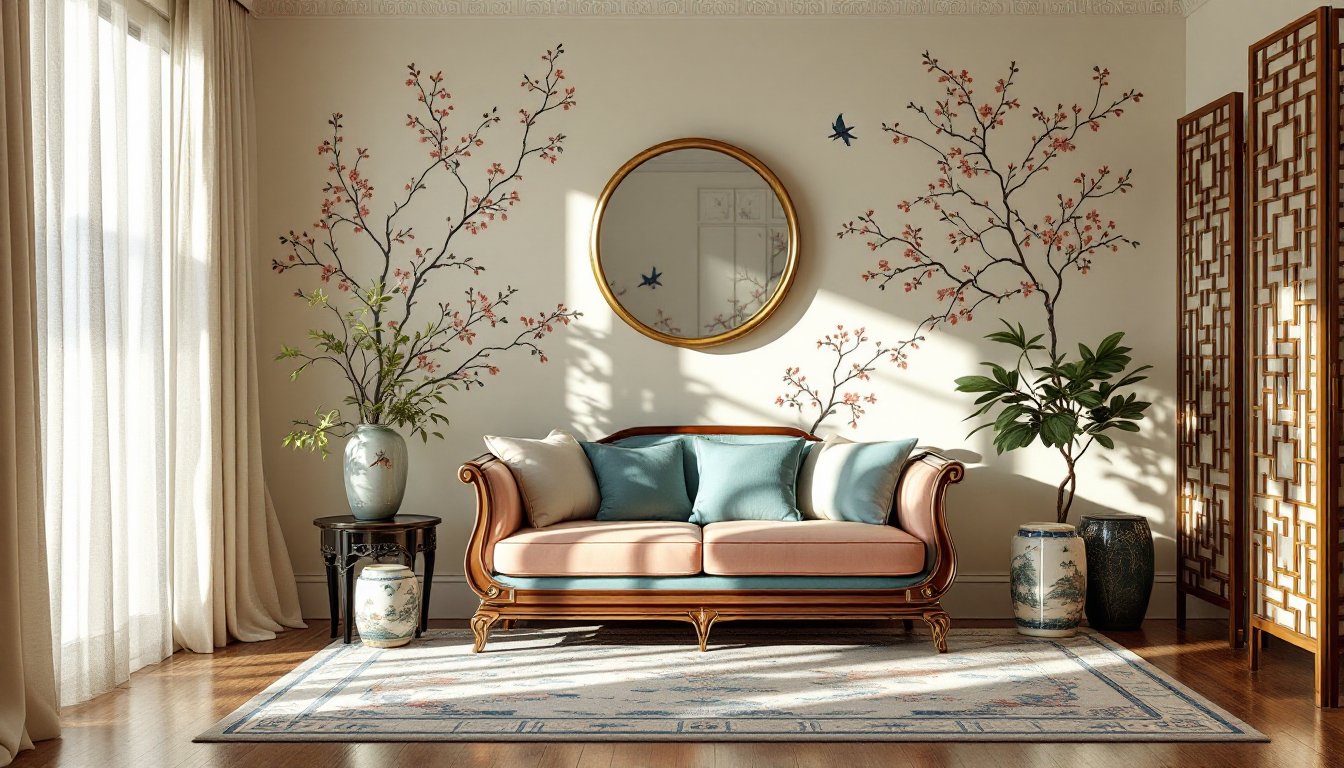
Chinoiserie, the Western interpretation of Asian aesthetics that flourished in the 18th century, is far more than a dusty historical reference. This design movement has seen a major resurgence among homeowners seeking to escape the minimalist fatigue of the past decade. By blending delicate botanical motifs, symmetrical layouts, and rich jewel tones with modern sensibilities, chinoiserie creates spaces that feel both sophisticated and deeply livable. Whether you’re drawn to hand-painted silk panels or the understated elegance of lacquered furniture, chinoiserie interior design offers a pathway to cultivating a home that whispers elegance without screaming excess.
Key Takeaways
- Chinoiserie interior design is experiencing a modern revival because it uniquely combines whimsy with refinement while offering an escape from minimalist fatigue and cold contemporary aesthetics.
- The foundation of chinoiserie style relies on muted jewel tones like jade green, ink blue, and dusty rose paired with cream or white walls, allowing patterns to breathe without overwhelming the space.
- Anchor chinoiserie interior design with one statement piece per room—whether a lacquered sofa, wallpapered accent wall, or hand-painted ceramic collection—and let remaining décor complement rather than compete.
- You don’t need authentic materials to achieve the look; high-quality reproductions of silk wallpaper, textiles, and furniture finishes can capture the essence of chinoiserie without exceeding your budget.
- Start your chinoiserie transformation in secondary spaces like powder rooms, guest bedrooms, or home offices before committing to high-stakes areas like living rooms.
- Chinoiserie integrates seamlessly with minimalist, modern, and eclectic existing décor by respecting your current aesthetic and adding layers of intentional sophistication rather than demanding a complete redesign.
What Is Chinoiserie and Why It’s Captivating Modern Homeowners
Chinoiserie isn’t authentically Chinese design, it’s the romantic fantasy of Asia filtered through a European lens. Think pagodas painted on wallpaper, asymmetrical compositions, flowering branches framed on walls, and ornamental birds in impossible colors. The movement took root in 17th-century gardens and parlors, but it’s experiencing a genuine revival because it offers something contemporary design often lacks: whimsy paired with refinement.
Why the renewed interest? Partly because homeowners are tired of the cold, geometric Instagram-aesthetic. Chinoiserie invites storytelling into a room. A hand-painted wallpaper mural doesn’t just fill wall space, it becomes a narrative focal point. The color palette alone, deep teals, emerald greens, dusty rose, warm ivory, feels both luxurious and calming. And unlike maximalism, which can feel chaotic, chinoiserie has built-in restraint through its emphasis on negative space and careful composition. Each element has purpose: nothing is random.
Key Design Elements to Incorporate Into Your Space
Colors, Patterns, and Materials That Define the Aesthetic
Start with a cohesive color story. Traditional chinoiserie leans on jade green, ink blue, coral pink, and soft ivory as foundational tones. These aren’t neon or bold primary colors, they’re muted, slightly aged-looking hues that evoke history without feeling period-locked. Pair one dominant color with 1–2 supporting tones and use cream or white as your primary wall color to let patterns breathe.
Patterns are where chinoiserie truly sings. Toile, a pattern depicting pastoral or exotic scenes on a solid background, is classic and available in modern formats. Geometric fretwork patterns (reminiscent of carved screens) work beautifully on wallpaper or as printed textiles. Floral motifs, peonies, chrysanthemums, cherry blossoms, appear on fabric, wallpaper, and even ceramics. Mix patterns thoughtfully: pair one large-scale pattern with smaller geometric accents, or layer subtly coordinated designs.
Materials matter immensely. Silk, cotton damask, and linen feel right for chinoiserie: they reflect light softly and suggest quality. Lacquered wood, that glossy, dark finish you see on traditional Asian furniture, translates beautifully into modern chinoiserie pieces. Porcelain, hand-painted ceramics, and brass or bronze hardware add authentic textural interest. If authentic materials are out of budget, high-quality reproductions in wallpaper and textiles can capture the essence without the expense.
Furniture and Decor Pieces for Authentic Chinoiserie Style
You don’t need to furnish an entire room in chinoiserie to make it work, anchor pieces do the heavy lifting. Look for a statement sofa or settee with carved wooden frame details and silk upholstery, or a low-slung daybed with ornamental legs. These instantly signal the aesthetic without requiring a total gut-renovation.
Secondary pieces should feature lacquered finishes, fretwork details, or hand-painted panels. A side table with an open lattice base, a bookshelf with geometric carving, or a cabinet with painted landscape scenes all reinforce the style. Don’t overlook smaller objects: porcelain garden stools double as side tables and art pieces, brass or bronze decorative boxes add visual weight, and ceramic vases, especially tall, narrow ones with hand-painted designs, anchor a console or mantelpiece.
Accessories seal the effect. Interior designers showcase the top 10 chinoiserie pieces, highlighting how vintage or reproduction silk cushions, framed botanical prints, and ornamental trays complete the look. Hunt for pieces at estate sales, online vintage shops, or curated home retailers that specialize in global design. Mix high and low: a high-end lacquered credenza paired with affordable wallpaper and printed textiles keeps the budget manageable.
Room-by-Room Application: Where to Start Your Transformation
Start in a secondary space, a guest bedroom, home office, or bathroom, rather than your main living room. This lets you test the aesthetic without feeling locked in. A powder room is ideal: wallpaper one wall in a delicate floral or geometric toile pattern, pair it with a brass-framed mirror and porcelain sconces, and you’ve created an unexpected moment of elegance that guests remember.
In a bedroom, use chinoiserie as a calming retreat. A painted headboard featuring branches and birds, layered with linen bedding in solid jewel tones, creates serenity. Pair a pair of lacquered nightstands with a fretwork screen in one corner, and the space feels intentional without excess.
A home office benefits from chinoiserie’s order and refinement. Wallpapered accent wall, a simple desk with tapered or carved legs, and a few porcelain or brass accessories keep focus sharp while the aesthetic inspires concentration. MyDomaine offers room-by-room styling guides that show how cultural design elements adapt to contemporary living.
For a living room, the highest-stakes space, build slowly. Start with a quality area rug in a geometric or botanical pattern. Layer in a chinoiserie sofa or settee, add side tables, introduce wallpaper or painted panels on a single accent wall, then accessorize. This methodical approach prevents the room from feeling costume-like.
Blending Chinoiserie With Your Existing Decor
The beauty of chinoiserie is its compatibility with other aesthetics. If your home leans minimalist, chinoiserie’s balance of pattern and negative space feels like a natural evolution. The refined color palette and emphasis on singular statement pieces align with minimalist principles. Add a wallpapered accent wall, one lacquered furniture piece, and botanical art, restraint makes it work.
Modern or contemporary homes absorb chinoiserie well too. Pair a chinoiserie sofa in a solid jewel tone with clean-lined side tables and neutral walls. The cultural reference adds depth without clashing with contemporary simplicity. Decoist regularly features how designers layer global design trends with modern architecture.
If your home already has eclectic or bohemian energy, chinoiserie is a kindred spirit. Its love of pattern, symmetry, and collected objects aligns naturally. The key is intentionality: don’t mix chinoiserie randomly with other maximalist styles, curate thoughtfully.
The practical rule: let one chinoiserie element anchor each room. This might be wallpaper, a statement piece of furniture, or a collection of ceramics displayed together. Everything else, existing furniture, neutral walls, contemporary accessories, should either complement or step back. You’re adding a layer of sophistication, not rewriting your home’s story.
Transforming your home with stunning southwest interior design shows how other cultural aesthetics integrate thoughtfully. The principle is the same: respect what you have, add meaning, and let the new elements earn their place.
Conclusion
Chinoiserie interior design brings historical richness and visual poetry into modern homes without demanding a complete aesthetic overhaul. Start small, a wallpapered powder room, a statement furniture piece, a collection of hand-painted ceramics. The best part? Chinoiserie rewards curation over consumption. Every piece should whisper refinement, not shout for attention. Your home becomes a reflection of thoughtful taste rather than trend-chasing.