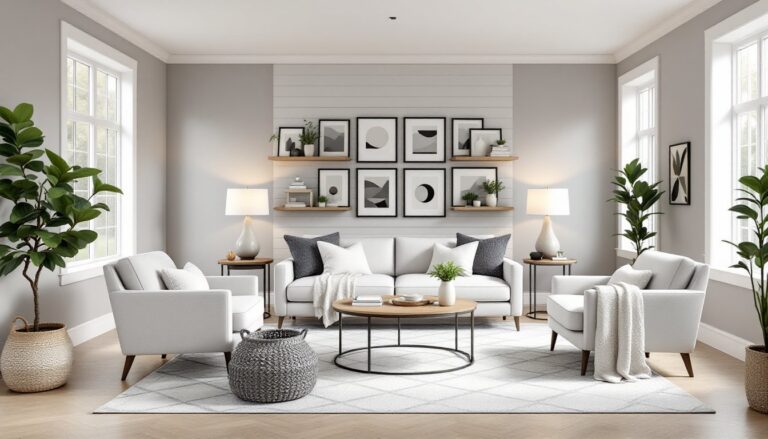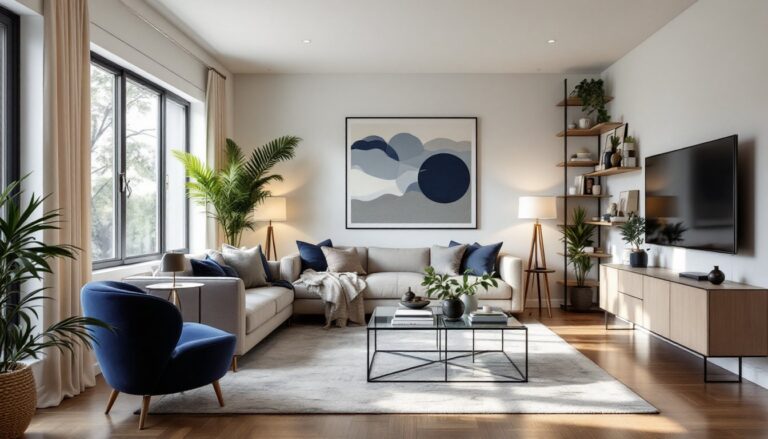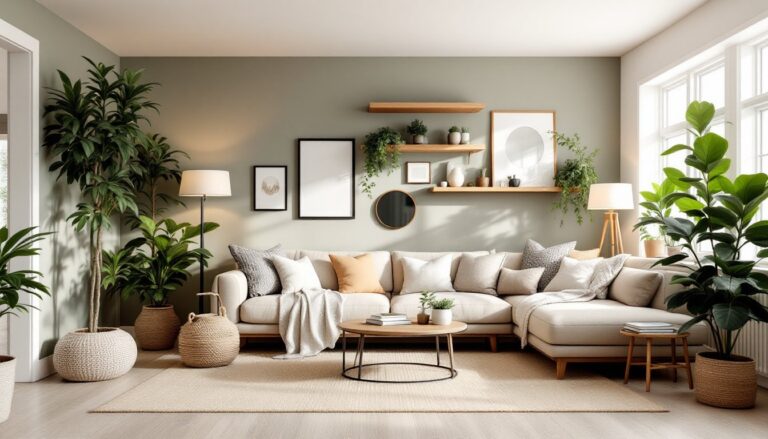
Modern Classic Interior Design: How to Blend Timeless Style with Contemporary Comfort
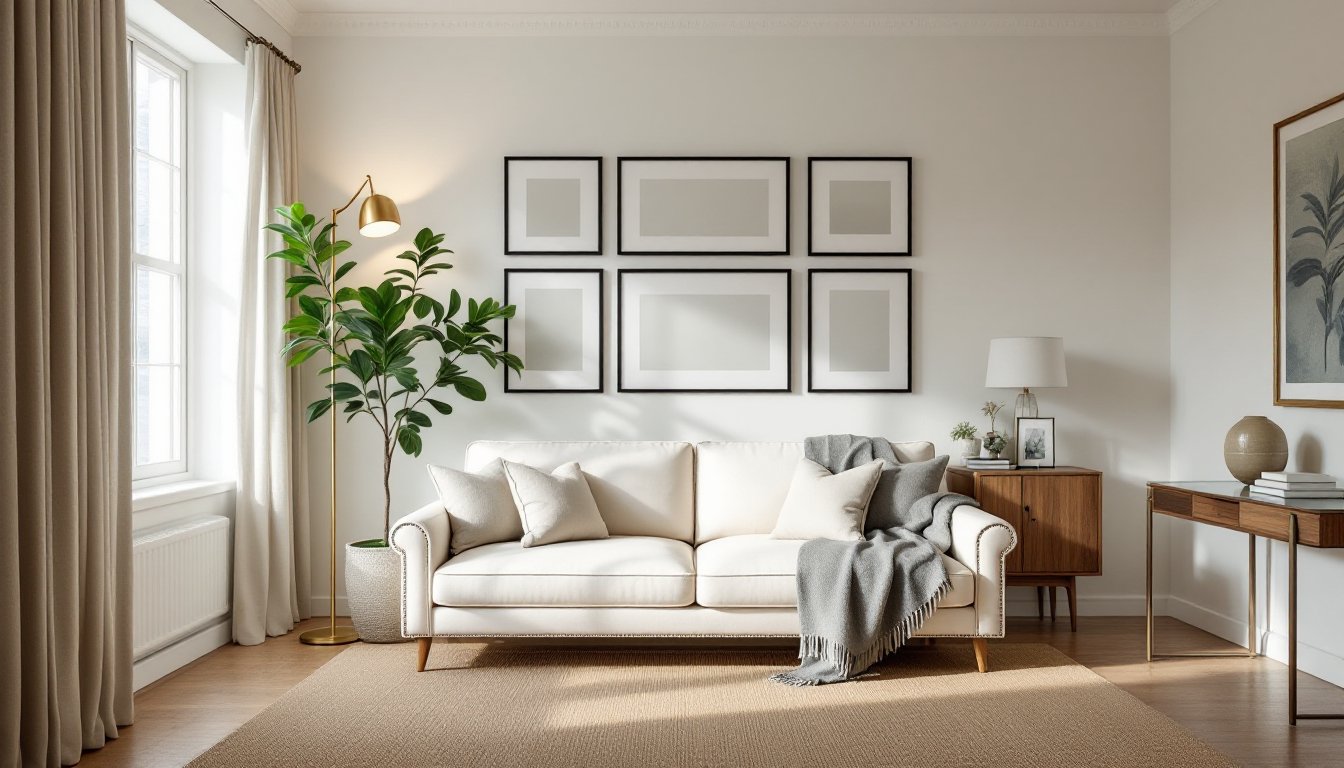
Modern classic interior design sits at the sweet spot where timeless elegance meets practical comfort. It’s not about rigid formality or cold minimalism, it’s about selecting pieces and finishes that feel both grounded in tradition and relevant today. For homeowners tired of trends that fade in a season or two, this design approach offers a refreshing alternative. You get the visual warmth of classic elements without the fussy ornamentation, paired with clean lines and functional layouts that work for how people actually live. Whether you’re updating a single room or planning a whole-home refresh, modern classic design gives you a framework that’s approachable, forgiving, and genuinely timeless.
Key Takeaways
- Modern classic interior design blends timeless elegance with practical functionality by stripping traditional ornamentation and pairing it with clean, contemporary lines.
- Choose a neutral or monochromatic color foundation—white, cream, soft gray, and warm wood tones—with muted accent colors in soft, desaturated hues that won’t feel dated.
- Prioritize quality over quantity by selecting fewer, better pieces with proven proportions that balance classic anchors (sofas, credenzas, dining tables) with modern additions (sleek lighting, minimalist shelving).
- Design functional spaces first by integrating storage, layering lighting for different moods, and arranging furniture to follow natural flow rather than aesthetics alone.
- Edit ruthlessly and style with intention—remove items that don’t serve a purpose, use natural textiles and materials, and display only objects you genuinely love to keep spaces calm and inviting.
- Create visual cohesion by choosing one or two metal finishes, grouping accessories in odd numbers with breathing room, and letting one strong focal point anchor each room.
What Is Modern Classic Interior Design?
Modern classic interior design is a hybrid approach that merges the best of both worlds: the sophistication and proven proportions of traditional design with the simplicity and functionality of modern aesthetics. Think of it as classic design stripped of excessive ornamentation, paired with contemporary materials and layouts.
The style draws inspiration from mid-century modern furniture, clean architectural lines, and neutral or muted color schemes. It honors historical design movements, Victorian symmetry, mid-century minimalism, Art Deco geometry, but reinterprets them through a contemporary lens. A modern classic room might feature a sofa with classic proportions (high arms, crisp edges) upholstered in a sleek fabric, paired with a simple wood side table and minimal accessories.
What sets modern classic apart from pure traditional design is the restraint. There’s no chintz wallpaper, no ornate crown molding just for show, no “more is more” mentality. Yet it avoids the stark, sometimes cold feeling of purely minimalist spaces. It’s inviting, lived-in, and intentional, every piece has a reason to be there, and every room balances visual interest with breathing room.
Key Design Principles and Elements
Several foundational principles guide modern classic interiors. Proportion and symmetry matter: furniture and architectural features follow balanced relationships that feel right to the human eye. Quality over quantity means you’re choosing fewer, better pieces rather than filling shelves with trinkets.
Functionality is non-negotiable. Every piece should work hard, a console table that stores, a sectional that seats, lighting that’s both ambient and task-oriented. Timelessness drives material and color choices: you’re avoiding novelty finishes and hyper-trendy colors that will feel dated in five years.
Craft and detail show respect for tradition. This might mean visible wood joinery, hand-finished hardware, or natural material patina rather than high-gloss perfection. You’ll also notice restraint in ornamentation: a room has one strong visual anchor (perhaps a fireplace mantel or gallery wall) rather than competing focal points fighting for attention.
Color Palettes and Materials
Modern classic color schemes are usually neutral or monochromatic foundations with carefully considered accents. Expect plenty of white, cream, soft gray, warm taupe, and natural wood tones. These provide the “calm” that makes modern spaces livable.
Accent colors exist but are muted: sage green, dusty blue, warm charcoal, or muted terracotta rather than saturated brights. These appear in textiles (throw pillows, rugs, curtains) so they’re easy to shift without major commitment. When working with accent colors, studies on interior design trends from Decoist show that soft, desaturated versions of classic hues age far better than vibrant ones.
Materials embrace natural finishes: solid wood, linen, wool, leather, and natural stone. Synthetic materials are fine when they’re understated, a charcoal upholstery fabric in a performance weave, for instance. Metal accents tend toward brushed brass, aged bronze, or matte black rather than shiny chrome. Finishes show character: reclaimed wood, patina on brass, linen’s natural slubs and irregularities. This gives spaces depth and prevents them from feeling sterile or overly designed.
Furniture Selection: Balancing Old and New
The furniture mix is where modern classic design really shines. You’re pairing statement pieces with understated ones, blending eras, and letting each item earn its place.
Classic pieces to anchor the room might include a sofa with traditional proportions (rolled arms, nailhead trim optional), a wood credenza or sideboard in simple lines, a wingback chair in neutral upholstery, or a sturdy dining table with clean edges. These pieces have proven proportions and silhouettes that work across decades, they’re the investment anchors.
Modern additions add function and prevent the space from feeling museum-like. A sleek glass-top console, contemporary lighting fixtures, a minimalist shelving unit, or a modern media console keep things current and practical. The key is avoiding obvious clash: a ultramodern chrome-and-glass coffee table next to a heavily traditional carved sofa can feel disjointed. Instead, look for modern pieces that share the same material palette and sensibility (natural wood legs, soft edges, quality finishes).
Vintage or antique pieces work beautifully if they align with the material and color scheme. A mid-century modern credenza, an old English oak table, a vintage Turkish rug, these add authenticity and character. Avoid forcing pieces that feel novelty or overly decorative.
Use interior design apps to test furniture layouts and visualize how classic and contemporary pieces interact in your space before purchasing.
Creating Functional Spaces With Style
Modern classic design demands that rooms work first, look beautiful second. Storage is essential and should be integrated rather than ad-hoc. Built-in shelving, credenzas with closed cabinets, and furniture that doubles as storage (ottomans with hidden compartments, benches with lift-tops) keep visual clutter low.
Layout follows the room’s natural flow and the way people actually use the space. Conversation areas are properly scaled, seating should face each other within natural talking distance. Traffic patterns are clear, without furniture arranged solely for aesthetics. Lighting combines ambient (ceiling fixtures, wall sconces), task (reading lamps, desk lights), and accent (uplighting on architectural features). Layered lighting keeps spaces functional at different times and moods.
In kitchens, this might mean removing upper cabinets in favor of open shelving with carefully curated items, paired with plenty of hidden storage below. In bedrooms, an upholstered headboard combines form and function (it’s a design anchor and provides back support). In living areas, console tables behind sofas become work surfaces or display areas, and storage benches double as seating and organization.
Resources like Homedit’s interior design collection showcase how functional design and beauty coexist in modern classic rooms.
Styling Tips for Your Home
Start by editing ruthlessly. Modern classic spaces feel calm because they’re not overstuffed. Remove items that don’t earn their place through function or genuine beauty. What remains should have purpose and visual interest.
When styling shelves or surfaces, follow the “rule of three”: group objects in odd numbers, vary heights and shapes, and leave breathing room. A framed photo, a sculptural object, and a potted plant create more interest than five identical items lined up.
Textiles add warmth without clutter. A linen throw on a sofa, one or two carefully chosen throw pillows, and a natural fiber area rug ground the room. Curtains should be simple and full-length (hung at ceiling height to emphasize verticality). Heavy velvet, natural linen, or cotton blends feel timeless: sheer synthetics feel cheap.
Art and wall décor should be intentional. A single large piece, a grid of matching frames, or a gallery wall with consistent framing and spacing creates impact. Avoid random small art scattered across walls, it dilutes focus. For ideas on presenting your design vision, reference guides on interior design presentation techniques can help you visualize your space before making commitments.
Green plants soften hard edges and add life. A tall fiddle leaf fig in a corner, trailing pothos on a shelf, or a simple potted orchid on a side table bring organic texture without fussiness. Keep them visible and healthy, struggling plants feel neglected.
Hardware and metallics should be cohesive throughout. Mixing brass, chrome, and black iron randomly feels chaotic. Choose one or two metal finishes and repeat them: brushed brass on cabinet pulls and a brass table lamp, for example. This creates visual continuity.
Personal items, family photos, collected objects, books, are essential to modern classic design. The style is refined but not cold. Display objects you genuinely love, not just items that look “designed.”
Conclusion
Modern classic interior design offers homeowners a path to spaces that are both beautiful and practical, sophisticated without being stuffy, and genuinely timeless. By grounding your choices in neutral foundations, selecting quality pieces that balance tradition with contemporary sensibility, and resisting the urge to over-decorate, you create rooms that work for how you actually live. The approach rewards thoughtfulness over trend-chasing, and those spaces improve with time, not even though it.