Find Your Interior Design Style in 2 Minutes: Free Quiz Without Email
Figuring out your interior design style doesn’t require hiring a designer, scrolling through hundreds of Pinterest boards, or surrendering your email to another marketing list. A quick, straightforward quiz can reveal what genuinely appeals to you, whether you gravitate toward clean lines and minimalism, cozy rustic charm, eclectic bohemian energy, or timeless classical aesthetics. Understanding your design style is the foundation for making smart furniture and decor choices, renovating with intention, and creating a home that actually reflects who you are rather than what’s trendy this week.
Key Takeaways
- An interior design style quiz can reveal your genuine aesthetic preferences in minutes without requiring email signup or registration, helping you make intentional design choices aligned with your taste.
- Taking an interior design style quiz identifies your primary style blend—such as modern, rustic, bohemian, or classic—and reveals secondary influences that guide budget allocation and prevent costly impulse purchases.
- Start implementing your quiz results with low-stakes decisions like paint colors and accessories before investing in major furniture pieces, allowing you to test whether your style feels right in your actual living space.
- Your design style is based on four key dimensions: color and tone, material and texture, spatial layout, and decorative detail, with most people discovering they’re a hybrid blend rather than purely one style.
- Understanding your design preference acts as a filter for all future purchases, saving time and money while creating a cohesive home that reflects who you are rather than following temporary trends.
Why Identifying Your Design Style Matters
Before you buy that mid-century sofa or commit to painting an accent wall, knowing your design preference keeps decisions aligned and prevents costly impulse purchases. People often end up with mismatched furniture and regretted color choices because they haven’t articulated what they actually like.
A clear design style acts like a filter. When you see a piece of furniture or a paint sample, you instantly know whether it fits your vision. This saves time, money, and the frustration of living in a space that feels disjointed.
Beyond aesthetics, your design style influences functional choices. Someone drawn to minimalism prioritizes clean storage solutions and fewer possessions. A rustic enthusiast might invest in natural wood and vintage hardware. Identifying your preference helps you allocate your budget where it matters most to you.
Your style also evolves over time. A quiz taken now gives you a baseline. Revisiting it in a few years shows how your taste has matured, which is helpful when planning major updates or renovations.
What This No-Email Quiz Reveals About Your Taste
A straightforward interior design quiz zeroes in on the core elements that define your preferences: color preference, material choices, spatial layout, and decorative approach. No registration needed, no spam emails afterward, just honest answers that point you toward styles that suit you.
The quiz format works because it removes the paralysis of choice. Instead of browsing thousands of room photos, you answer 8–15 focused questions about what draws your eye. Do you prefer warm or cool colors? Open shelving or closed storage? Bold patterns or neutral backgrounds? Your answers map directly to recognized design categories.
Many people discover they’re not purely one style, they’re a blend. You might be 60% modern, 30% rustic, and 10% bohemian. That’s valuable information. It means you can incorporate elements from multiple styles without your home looking chaotic. The quiz helps you identify your dominant preference and secondary influences.
Understanding the Quiz Categories
Most design style quizzes test your instinctive reactions across four major categories: color and tone, material and texture, layout and proportion, and decorative detail. Each category carries equal weight because a complete design style involves all four dimensions.
Color and tone questions explore whether you’re attracted to bright, saturated colors or soft, muted palettes. Warm undertones (cream, terracotta, warm gray) or cool undertones (white, gray-blue, charcoal)? Your answers reveal fundamental preferences that anchor every design choice you’ll make.
Material and texture questions dig into what physically appeals to you. Do you touch a space before deciding if you like it? Are you drawn to natural wood, polished metals, soft textiles, or a combination? Your material preferences often reflect deeper values, sustainability, luxury, durability, or a mix.
Layout questions test your comfort with space. Do you prefer open, flowing layouts or defined, separate rooms? Symmetrical arrangements or eclectic, layered compositions? Your spatial preference influences how you arrange furniture and use vertical space.
Finally, decorative detail questions reveal your approach to ornamentation. Are you someone who curates a few meaningful pieces, or do you love surrounding yourself with collections, art, and varied accessories? Minimalists answer one way: maximalists answer another. Both are valid: the quiz just identifies where you land.
How to Take the Interior Design Style Quiz
Taking a no-email quiz is refreshingly simple. Find a reputable source, many design blogs and interior design websites offer free quizzes without requiring registration. Lesssea’s Interior Design Archives features curated design content and resources that can guide your exploration.
Answer honestly and quickly. The first instinct usually reveals your genuine preference better than overthinking. If a room image appeals to you, click yes. If you’d repaint or rearrange it, click no. Speed keeps the quiz fun and prevents analysis paralysis.
Don’t worry about “getting it right.” There’s no correct answer in interior design. Your quiz results should validate what you already sense about your taste, not surprise you completely. If results feel off, adjust slightly on retake, maybe you leaned too much toward aspirational style rather than what you’d actually live with daily.
Most quizzes take 3–5 minutes. You’ll answer questions via images, adjective pairs, or statements. At the end, you’ll receive a breakdown: your primary design style, secondary influences, and often specific color and material recommendations. Screenshot or save your results so you have them when shopping or planning renovations.
Use your quiz result as a starting point, not a mandate. If you’re 70% modern with 30% bohemian influences, that’s your design DNA. You now have permission to mix styles intentionally instead of by accident.
Common Design Styles Explained
Understanding the major design categories helps you interpret your quiz results and explore what each style entails in practice. These aren’t rigid boxes, they’re frameworks for thinking about aesthetics and function together.
Modern, Rustic, Bohemian, and Classic Options
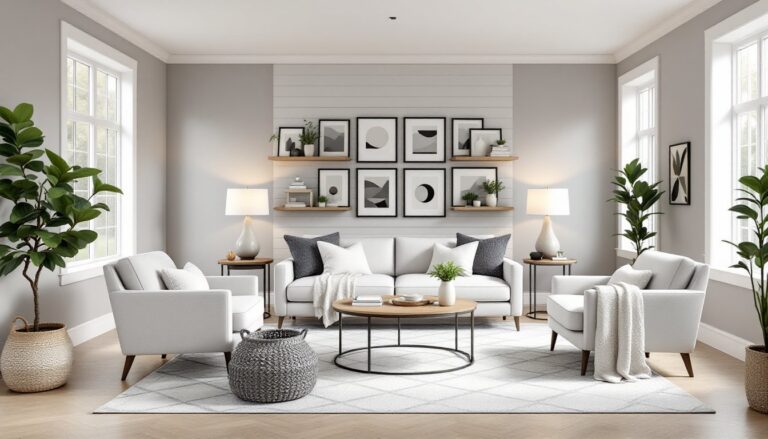
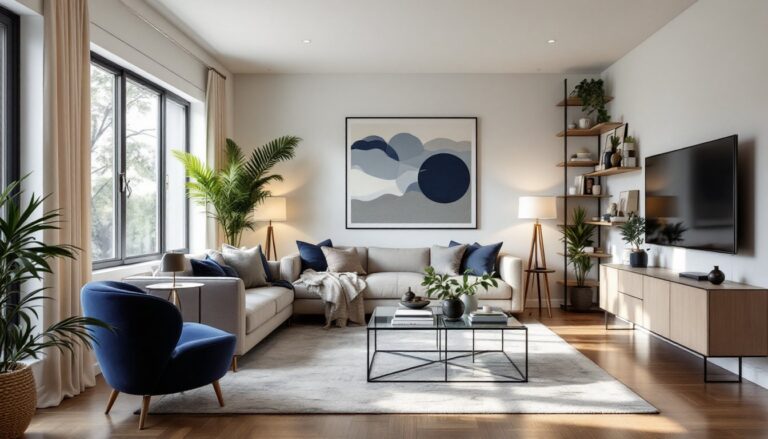
Modern design emphasizes clean lines, neutral color palettes, and minimal ornamentation. Think white walls, gray sofas, stainless steel fixtures, and open floor plans. Modern prioritizes function, every piece has a purpose, and clutter is eliminated. It’s perfect if you value simplicity and a calm, uncluttered environment. Within modern, you’ll find subcategories like Scandinavian (warm minimalism with natural materials) and industrial (exposed brick, metal, concrete). Top interior design resources like Homedit showcase contemporary spaces that blend modern principles with comfort and personality.
Rustic design draws from farmhouse, cabin, and cottage traditions. Natural wood, stone, vintage hardware, and earth tones dominate. Rustic spaces feel lived-in and cozy, with character showing through weathered finishes and hand-crafted elements. If you’re drawn to Southwest Interior Design aesthetics or Southern Interior Design, you likely have rustic leanings. Rustic works well in homes where imperfection feels intentional, not accidental.
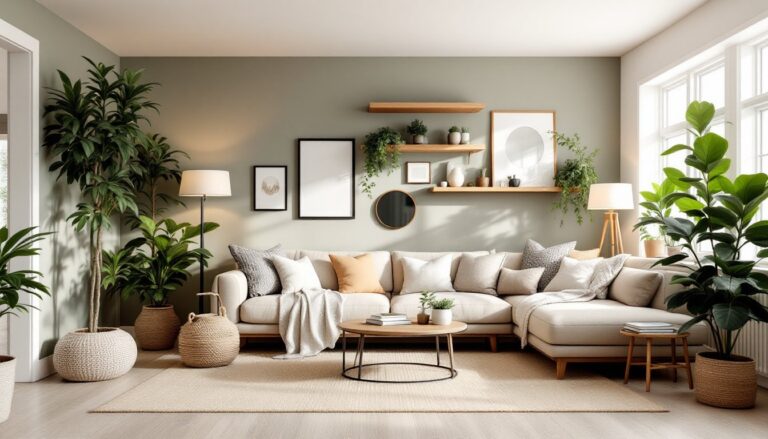
Bohemian (boho) design celebrates eclecticism, global influences, and personal expression. Colorful textiles, layered patterns, plants, art, and collected treasures fill the space. Boho rejects rigid rules and encourages mixing eras, cultures, and styles. If your quiz leans bohemian, expect bright colors, varied textures, and a curated-but-not-matchy aesthetic. Boho is forgiving because “mismatched” is the point.
Classic (or traditional) design emphasizes timeless proportions, symmetry, and formal elegance. Think crown molding, upholstered furniture, rich fabrics, and sophisticated color schemes (jewel tones, deep neutrals). Classic design draws from historical periods, Victorian, Colonial, French Country, and values quality over quantity. Mastering Interior Design Presentation techniques often showcase classic spaces because their formal structure photographs beautifully and communicates luxury. Classic style ages well because it doesn’t chase trends.
Retro or vintage styles like Reviving 1980’s Interior Design represent another meaningful category. These intentionally reference a specific era and can add character and personality to a home. Resources like MyDomaine frequently explore how to incorporate retro elements thoughtfully.
Many people discover their style is a hybrid. You might be 50% modern, 40% rustic, with 10% bohemian flair. That’s perfectly valid, and honestly, the most livable homes mix principles. Pure minimalism can feel cold: adding rustic wood or boho textiles warms it up.
Putting Your Results Into Action
Now you know your style. The next step is translation, moving from “I like modern design” to actual choices in your home.
Start with low-stakes decisions. If your quiz confirmed you’re modern, try a neutral paint color in your next room refresh. Invest in a quality pendant light with clean lines. Add a minimalist bookshelf. These aren’t permanent commitments, but they let you test whether modern feels right in your actual living space.
Color is often the easiest first move. Your quiz probably suggested a primary color palette. If you’re bohemian, you might lean terracotta, ochre, and deep greens. If you’re modern, cool grays and soft whites. Buy a sample paint pint and paint a test patch. Live with it for a week before committing to a full gallon.
Furniture is a larger investment. Wait until you’re confident about your style before buying a sectional or dining table. A good modern sofa should last 7–10 years, so it’s worth waiting until you’re sure. In the meantime, use what you have and add smaller pieces, accent chairs, ottomans, shelving units, to test your style.
Accessories seal the deal. Throw pillows, rugs, artwork, and lighting fixtures are where style personality shines and where you can experiment affordably. Want to add boho touches to your modern space? A patterned area rug and globally-inspired wall art do that without overhauling your foundation.
Document your journey. Take before photos and save inspiration images that match your style. When you’re ready for a larger renovation or redesign, you’ll have a clear visual reference. Your quiz result, refined through small experiments, becomes your design roadmap. And unlike a trend that fades, a genuine style preference is something you’ll live happily with for years.