Nordic Interior Design: Master The Art Of Minimalist Scandinavian Style In 2026
Nordic interior design has become far more than a design trend, it’s a lifestyle philosophy that prioritizes function, beauty, and simplicity. Originating from the cold climates of Scandinavia, this approach to decorating emphasizes clean lines, natural light, and purposeful spaces that work as hard as they look. Whether you’re renovating a single room or rethinking your entire home, understanding the core tenets of Nordic design helps you create spaces that feel both warm and uncluttered. This guide walks you through the essential elements and practical steps to bring this timeless aesthetic into your own home.
Key Takeaways
- Nordic interior design combines simplicity, functionality, and natural materials to create warm, uncluttered spaces that prioritize intentionality over decoration.
- Use a foundation of light, neutral walls with warm undertones and layer in subtle textures and minimal accent colors to avoid chromatic chaos.
- Invest in durable furniture with clean lines and visible wood construction, then arrange pieces asymmetrically with proper spacing to maximize airflow and visual breathing room.
- Layer warm artificial lighting (2700K or lower) through floor lamps, wall sconces, and task lighting while maximizing natural daylight with mirrors and minimal window coverings.
- Incorporate natural materials like solid wood, stone, wool, and linen through textiles and accessories, celebrating their aging and patina as intentional design elements.
- Edit your existing items ruthlessly, establish your color foundation first, then gradually add strong furniture pieces and textiles while living with your space to let your lifestyle guide Nordic design choices.
What Defines Nordic Interior Design
Core Principles And Philosophy
Nordic interior design rests on a foundation of simplicity, functionality, and respect for natural materials. Unlike minimalism, which can feel sterile, Nordic design balances restraint with warmth, it’s about editing out the unnecessary while preserving comfort and coziness (a concept the Scandinavians call hygge).
The philosophy emerged as a practical response to long, dark winters and limited resources. Every object in a Nordic space earns its place through utility or beauty. There’s no decorating for decoration’s sake. Storage solutions are built-in and discreet: furniture is solid and built to last decades: and the color palette relies on nature’s own palette to create visual interest without noise.
This design ethos also reflects Scandinavian values: sustainability, equality, and democracy. Furniture shouldn’t be precious or exclusive, it should be accessible and honest about its construction. You’ll find exposed joinery, visible wood grain, and materials that age gracefully rather than hide their origins.
Key Color Palettes For Nordic Spaces
The Nordic color palette is deceptively subtle. At first glance, it looks like nothing but white, black, and gray. But look closer, and you’ll find depth, warm off-whites with undertones of taupe, cool grays that shift with daylight, and carefully placed accents that feel organic rather than imposed.
Start with a foundation of light, neutral walls. Soft whites, creams, and warm grays dominate Nordic interiors because they reflect natural light during those precious daylight hours and make small spaces feel larger. Rather than pure white, choose whites with gray or warm undertones, they feel more livable and less clinical.
Secondary colors come from natural materials: the gray-brown of weathered wood, the charcoal of slate, the soft taupe of linen. Then, add subtle pops of color through textiles, art, or a single accent wall. Deep blues, soft greens, and warm terracottas appear in Nordic homes, but always in measured doses. The key is restraint, if it competes for attention, it doesn’t belong.
According to design professionals at Homedit, layering neutral tones with varying textures creates visual interest without chromatic chaos. Think of it like building a sandwich: base neutrals, textural variety, then a whisper of accent color.
Furniture And Layout Essentials
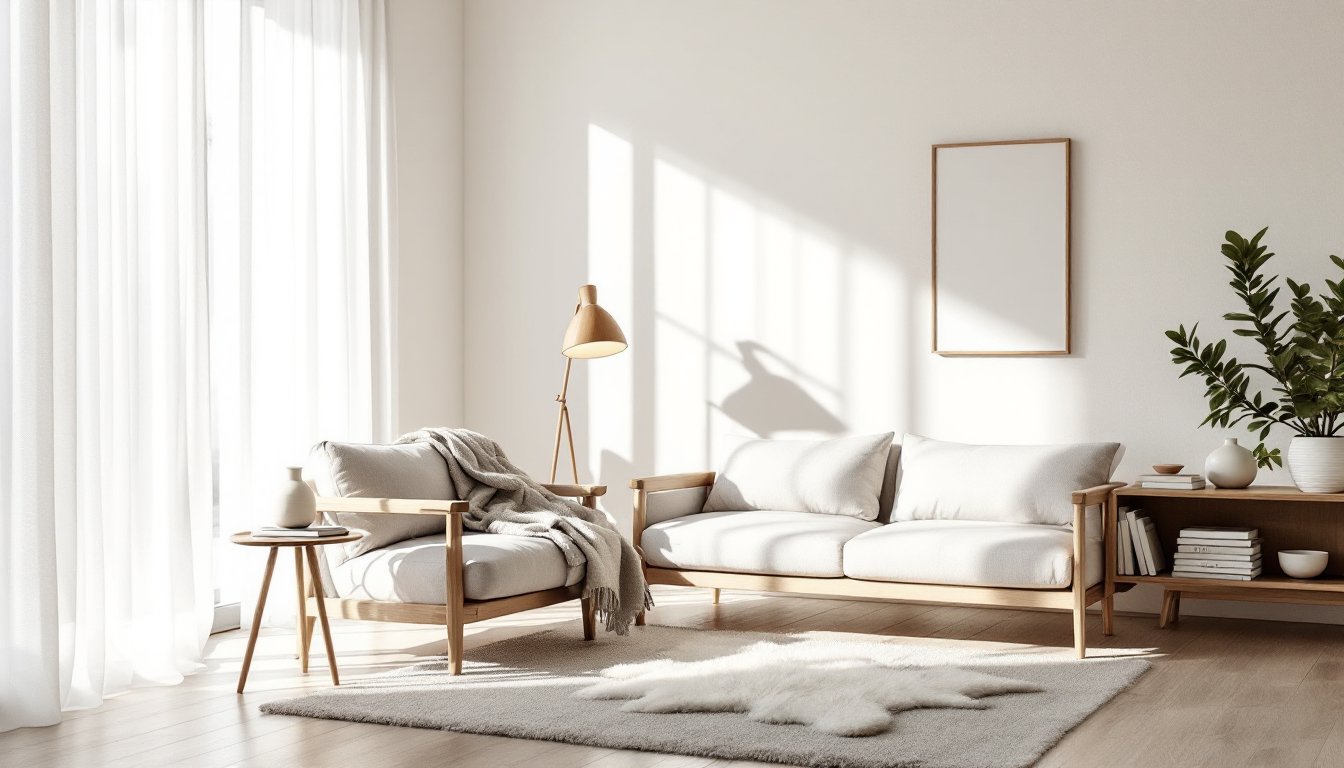
Nordic furniture is recognizable: low-profile, tapered wooden legs, clean silhouettes, and an absence of ornament. Pieces from mid-century modern designers, especially Danish and Swedish makers, define the aesthetic, but you don’t need vintage collectors’ items to achieve the look.
When selecting furniture, prioritize function and longevity over trend. A solid wood dining table with a simple base costs more upfront but outlasts ten flimsy alternatives. Sofas should have visible wood frames, minimal upholstery, and legs that lift them off the floor, this makes rooms feel airier. Shelving is typically open, wall-mounted, or built-in, with clean edges and minimal bracing.
Layout matters enormously. Nordic spaces prioritize flow and breathing room. Furniture floats rather than hugs walls: pathways are clear: and each room has a defined purpose. Avoid symmetrical arrangements, instead, use asymmetry guided by the rule of thirds. A sofa might anchor one corner, with a reading chair and side table offsetting it diagonally across the room.
Storage is where Nordic design truly shines. Interior Design Archives – Lesssea features examples of homes that hide clutter behind clean cabinet fronts, under beds, and within built-in benches. Every object either has a designated spot or doesn’t belong.
Lighting Solutions For Warmth And Functionality
Lighting in Nordic interiors serves a dual purpose: it counters the darkness of long winters and illuminates task-specific areas without creating harsh shadows.
First, maximize natural light. Sheer curtains or roller shades filter sunlight without blocking it: mirrors placed opposite windows amplify daylight throughout the room. If privacy allows, leave windows bare or use minimal coverings.
Artificial lighting should be warm (2700K color temperature or lower) and layered. Overhead fixtures are minimal or absent, instead, use floor lamps with diffusers, wall sconces, and pendant lights at varied heights. The Scandinavians favor designs like the PH Artichoke or simple drum pendants that distribute light evenly without glare.
Task lighting is essential: reading lights near seating, under-cabinet lighting in kitchens, and desk lamps for work areas. Dimmers allow you to adjust ambiance for different times of day. String lights or paper lanterns appear in Nordic homes during winter months, creating that hygge feeling without being kitschy.
According to research on minimalist Scandinavian cabins, lighting is often the bridge between function and atmosphere, it’s where warmth enters a minimal space.
Textiles, Accessories, And Natural Materials
Textiles bring warmth to Nordic interiors. Wool throws, linen curtains, sheepskin rugs, and knit cushions add softness without clutter. The key is repetition of texture rather than pattern. A room might feature a chunky knit blanket, a smooth linen sofa, and a sheepskin rug, each a different feel, but all in the same neutral or muted color family.
Patterns, when used, are geometric or organic but never busy. Striped pillows, subtle plaid blankets, and minimalist botanical prints appear occasionally. Avoid florals, florals, and busy wallpapers, they work against the Nordic ethos.
Natural materials anchor the aesthetic. Solid wood (oak, birch, spruce) in furniture and flooring: stone (slate, marble, limestone) on surfaces: wool and flax in textiles: clay and ceramic for vessels and decor. These materials age visibly, developing patina and character over time, that’s intentional and celebrated.
Accessories are sparse but intentional. A single piece of art, a stack of design books, a wooden bowl of white pebbles. Sites like Decoist showcase how Nordic interiors rely on negative space and the visual weight of few, well-chosen objects rather than filling every surface. Seasonal accents, dried grasses in autumn, branches in winter, keep spaces fresh without permanent clutter.
Bringing Nordic Design Into Your Home: Practical Steps
Start by editing what you have. Walk through your home and honestly assess each item. Does it serve a purpose or bring you joy? If not, remove it. Nordic design cannot work amid clutter, so this step is non-negotiable.
Next, establish your color foundation. Paint walls a warm, light neutral if they aren’t already. This is the backbone of the aesthetic. Choose a quality paint with low VOCs (volatile organic compounds) and apply primer if transitioning from darker colors, you’ll typically need two coats for full coverage.
Invest in one or two strong furniture pieces: a wooden dining table, a quality sofa, or open shelving. These anchor the room and can last decades if well-chosen. Avoid impulse furniture purchases: research durability and construction.
Add lighting strategically. If overhead fixtures feel harsh, replace them with softer alternatives or add dimmers. A simple Top Interior Design Apps can help you visualize lighting placement before committing to installation.
Layer in textiles gradually. One wool throw, two linen cushions, a simple rug. Build slowly, resisting the urge to fill every surface.
Finally, live with your space for a few weeks before making major purchases. Nordic design is about intentionality, and that takes time. Notice where you need better lighting, additional storage, or a seating area. Let your lifestyle guide your design choices rather than forcing a home to match an Instagram image.