Modern French Country Interior Design: How to Achieve Timeless Elegance in 2026
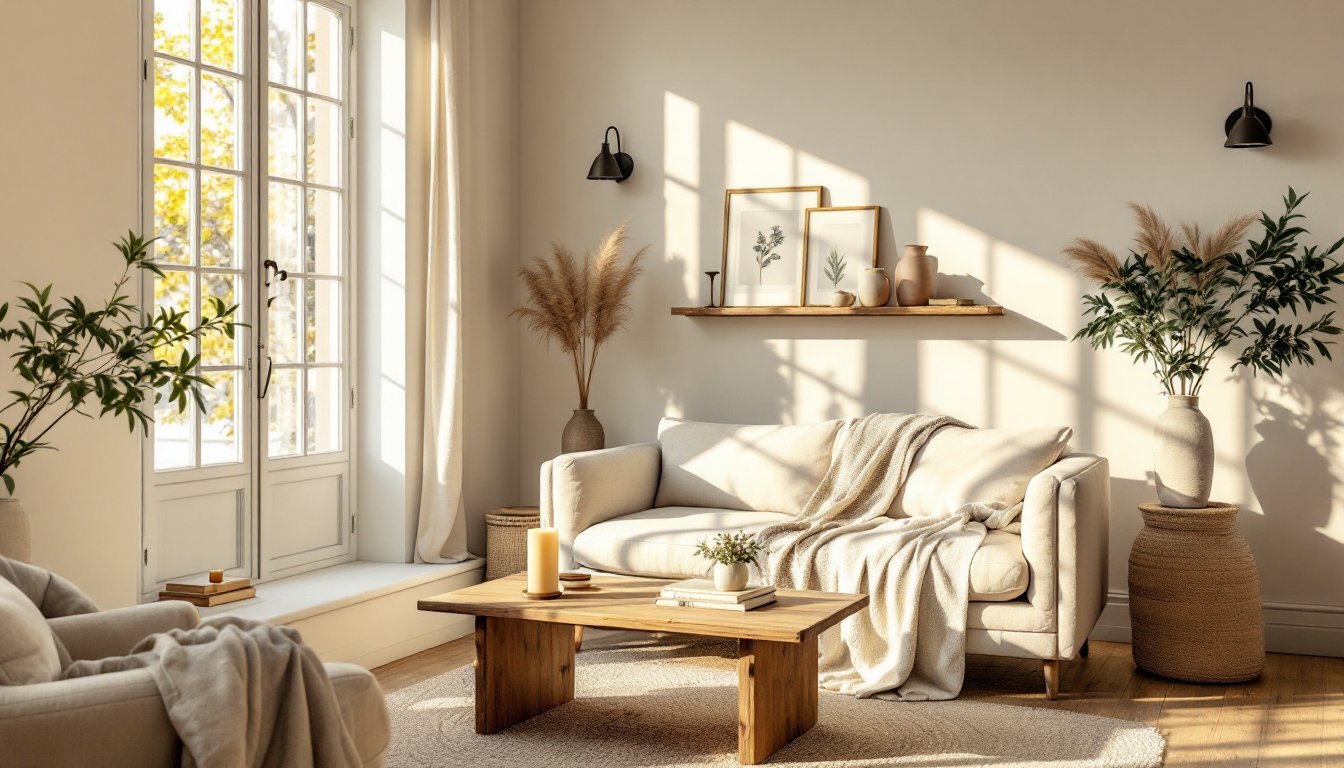
Modern French country interior design bridges the gap between rustic charm and contemporary sophistication. Homeowners drawn to this aesthetic appreciate its relaxed elegance, think vintage farmhouse vibes mixed with clean lines, neutral palettes, and curated vintage finds. Unlike strict period rooms, modern French country works in today’s homes without the heavy antique feel. It’s approachable, warm, and naturally photogenic without being precious. Whether you’re refreshing a single room or overhauling your whole space, this style rewards smart material choices and intentional layering over expensive overhauls.
Key Takeaways
- Modern French country interior design combines rustic charm with contemporary sophistication, celebrating imperfection and patina without requiring everything to be authentically antique.
- Establish your design foundation with off-white, cream, or soft taupe walls paired with muted accent colors like sage green and dusty blue, then layer in aged finishes and natural materials.
- Furniture doesn’t need to match; mix mid-century pieces with vintage finds and contemporary elements as long as they share clean lines and quality construction.
- Transform your space affordably through strategic paint application and secondhand shopping, investing in quality linens, lighting, and solid wood furniture while saving on decor accessories.
- Create warmth and texture by layering natural materials like linen, wood, stone, and aged metals, and use layered lighting with warm-toned bulbs to enhance the cozy, welcoming atmosphere modern French country design delivers.
What Is Modern French Country Design?
Modern French country design pulls from French farmhouse traditions, whitewashed wood, aged metals, natural linen, and weathered finishes, but strips away heavy ornamentation and dark, closed-off rooms. The result feels fresh and livable rather than museum-like.
At its core, this style celebrates imperfection. A painted dresser with chipped edges, mismatched vintage chairs around a table, and simple linen curtains aren’t mistakes here, they’re features. The design embraces the patina of age without requiring everything to actually be antique.
The difference from pure French country (all ornate mirrors, gilded frames, and formal symmetry) is the editing. Modern French country says no to clutter, yes to breathing room. Open shelving displays a curated collection rather than stuffing every surface. Walls are typically light and unadorned, letting natural light and architectural bones do the talking.
Essential Color Palettes and Finishes
Your color foundation makes or breaks the mood. Start with off-white, cream, or soft taupe walls, Benjamin Moore’s Swiss Coffee or Sherwin-Williams Alabaster are reliable baseline choices, though test samples in your specific light before committing. These neutrals create a calm backdrop and make smaller spaces feel larger.
Accent colors are restrained. Soft sage green, dusty blue, warm gray, and muted terracotta add depth without shouting. Think botanical rather than bold, a single painted accent wall or a kitchen island in soft green becomes a focal point without overwhelming the room.
Finishes matter enormously. Pair matte or chalky paint with aged brass hardware, wrought iron, and distressed wood. A matte or satin sheen (not glossy) on walls reinforces the understated aesthetic. Wood finishes should look naturally aged, whitewash, liming, or light cerusing on oak or pine beams creates that effortless European farmhouse character. Avoid anything too pristine or plasticky: the appeal lies in subtle imperfection and visible texture.
Furniture and Decor Elements
Furniture selection defines your space’s functionality and mood. Pieces don’t need to match in period or finish, that’s the strength of modern French country. A mid-century table works next to a vintage bentwood chair and a contemporary bench, as long as the pieces share a quality of simplicity.
Case goods should feature clean lines and honest construction. Painted wooden cabinets, open shelving, and simple dressers anchor rooms without visual clutter. Upholstered pieces, sofas, armchairs, ottomans, work best in natural fabrics: linen, cotton twill, or canvas in cream, gray, or soft colors. Heavy velvet or patterned fabrics feel at odds with the restrained aesthetic.
Layering textiles adds warmth without fussiness. A linen throw over a sofa, a simple area rug in natural fiber or muted tone, and uncomplicated curtains in lightweight fabric soften hard edges and absorb sound. Avoid heavily patterned fabrics: if you use pattern, keep it minimal, perhaps a subtle stripe or tone-on-tone weave.
Statement Pieces and Vintage Finds
One or two intentional vintage pieces become conversation starters. An antique mirror with a simple carved frame, a pair of mismatched botanical prints in matching frames, or a reclaimed wood console table work beautifully. The key is restraint, scatter finds organically rather than crowding surfaces. When styling shelves or surfaces, follow the rule of three: group items in odd numbers and leave breathing room between clusters. A stack of linen books, a small ceramic vase, and a candlestick create visual interest without chaos.
Creating Texture and Warmth
Texture prevents the space from feeling sterile or cold. Layer materials deliberately: rough linen against smooth plaster, aged wood beams against painted drywall, aged brass fixtures against soft textiles.
Wall treatments add subtle richness. A lime wash, chalk paint, or plaster finish creates organic variation that flat paint can’t match. Shiplap or simple board-and-batten in a room’s upper half or as an accent wall introduces architectural detail without feeling fussy. Natural stone or simple tile in kitchens and bathrooms, think small subway tiles or larger format limestone, adds texture and durability.
Natural materials anchor the room. Reclaimed or wide-plank wood flooring, exposed wood beams, and stone accents bring warmth and authenticity. If real beams aren’t possible, faux-wood beams (painted or stained to match) create the illusion without structural work. Rugs in jute, wool, or a blend of natural fibers add softness underfoot and visually zone spaces.
Lighting shapes the mood significantly. Wrought-iron wall sconces, simple pendant lights, or a modest chandelier cast warm light. Avoid overly modern recessed lighting or anything too bright: aim for warm-toned bulbs (2700K) and layers of lighting, overhead, task, and ambient, so you can adjust the atmosphere. Candles in simple holders scattered throughout add the organic flicker that defines French country coziness.
Budget-Friendly Decorating Tips
You don’t need a renovation budget to achieve modern French country style. Paint transforms faster and cheaper than replacing furniture. A gallon of quality paint covers roughly 350–400 square feet per coat, so refreshing walls or cabinets is an accessible first step. Primer is essential on dark surfaces or glossy finishes, don’t skip it, or you’ll waste paint with poor adhesion.
Vintage and secondhand sources are your friends. Thrift stores, estate sales, online marketplaces, and antique malls offer dressers, mirrors, and hardware at a fraction of retail. Hunt for pieces with good bones, solid wood construction matters more than finish, since chipped paint or dull varnish is often the look you’re after anyway. A $50 wooden dresser with character beats a new particle-board piece every time.
Budget accordingly for what matters. Invest in quality linens, good lighting fixtures, and solid wood furniture: save on decor objects. A simple $20 ceramic pitcher and a thrifted book stack achieve the same vibe as expensive styled accessories. Paint existing frames, refurbish hardware with steel wool and wax, and use what you have creatively.
Key renovations worth the investment: refinishing hardwood floors, updating lighting fixtures, and refreshing kitchen or bathroom tile. These changes anchor the space and age well. Cosmetic touches like mirrors, throw pillows, and plants are easily swapped if your taste evolves. By focusing spending strategically, homeowners can build a modern French country home that’s both authentic and sustainable.
Conclusion
Modern French country design succeeds because it’s honest, livable, and endlessly adaptable. It’s not about authenticity to a specific period or owning rare antiques, it’s about curating a calm, warm environment that reflects your life. Start with neutral walls, layer in natural textures, source thoughtful vintage pieces, and let simplicity guide your choices. The style rewards editing ruthlessly and choosing quality over quantity. With patience and intentionality, your space becomes a retreat that feels both timeless and unmistakably yours.