Room Designer 101: Transform Any Space Without Hiring a Professional in 2026

Ever stared at a blank room and felt completely overwhelmed? You’re not alone. Whether you’re redesigning a bedroom, refreshing your living room decor, or starting from scratch, tackling a room designer project without professional help seems daunting, but it doesn’t have to be. In 2026, the tools, resources, and techniques available to DIY enthusiasts have never been better. This guide walks you through everything a room designer considers: layout, measurements, color theory, furniture selection, and budget constraints. You’ll learn how to approach wall decor for your living room, bedroom decoration, and other spaces with confidence, using both free digital platforms and proven design principles that professionals rely on.
Key Takeaways
- A room designer approach requires measuring, planning, and intentional decision-making rather than buying expensive items, saving you 40–60% compared to hiring professionals.
- Free digital tools like RoomSketcher, Floorplanner, and paint simulators from Benjamin Moore and Sherwin-Williams let you visualize changes before committing to purchases.
- Establish a focal point in your room design, arrange traffic flow logically, and use the 60-30-10 color rule (60% dominant, 30% secondary, 10% accent color) for a cohesive space.
- Test paint colors with large sample swatches in natural and artificial light, measure doorways before buying furniture, and always include existing pieces in your floor plan to avoid costly mistakes.
- Prioritize splurging on items you use daily (mattress, sofa, chair) and save on visual elements like artwork and pillows that can be refreshed inexpensively.
- Layer decor in stages—start with essential furniture, add storage, then accessories—to stay on budget and prevent buyer’s remorse.
What Is a Room Designer and Why You Need One
A room designer is someone who plans a space’s layout, aesthetics, and function. They consider traffic flow, natural light, color psychology, furniture scale, and how elements work together. The key insight: good design isn’t about buying expensive things, it’s about intention.
You don’t need a designer’s salary to get designer results. What you do need is a systematic approach. When you wing a room, you end up with mismatched styles, furniture that crowds the space, or a living room decor that doesn’t feel cohesive. A room designer mentality forces you to ask the right questions: What’s the room’s primary purpose? How many people will use it? What’s your actual budget? What colors and styles do you genuinely love?
DIY design saves money, often 40–60% compared to hiring professionals, but more importantly, it creates spaces that actually reflect who you are. Instead of guessing, you measure twice and commit once. When you understand the room designer’s workflow, you’ll avoid costly mistakes like buying a sofa that blocks a window or selecting paint that looks nothing like the swatch once it’s on the wall.
Essential Tools and Software for DIY Room Design
Modern room designers rely on digital tools to visualize changes before spending money. You have options ranging from completely free to premium software, depending on your comfort level and project complexity.
Free and Paid Digital Design Platforms
Free Tools
- RoomSketcher: Lets you draw floor plans, add furniture from a library, and see 3D walkthroughs. No credit card needed.
- Floorplanner: Simple drag-and-drop interface: good for basic layouts and getting a spatial sense.
- Canva: Excellent for mood boards and color palettes. Create design inspiration sheets without design experience.
- Paint simulators (Benjamin Moore, Sherwin-Williams): Load a room photo, paint it virtually, and see how colors look in real light.
Paid Platforms
- Homestyler ($): More advanced 3D rendering: closer to professional output.
- SketchUp Pro ($$): Industry standard for detailed planning: steeper learning curve but powerful for complex layouts.
Start free. If you’re redesigning one room, say, a bedroom decoration overhaul or living room decor refresh, free tools handle 90% of the work. Paid software earns its cost only if you’re doing multiple projects or need photorealistic renderings.
Beyond digital tools, gather inspiration physically: a Pinterest board, a physical scrapbook, or a design folder on your phone. When planning bedroom decoration or wall decor for your living room, tangible references beat vague memories. Screenshot colors you love, furniture styles that work, and room layouts that feel right proportionally.
Step-by-Step Guide to Designing Your Room
Planning Your Layout and Measurements
Measurement is non-negotiable. Grab a tape measure (25-foot minimum) and a pencil. Measure the room’s length, width, and ceiling height. Mark electrical outlets, windows, doors (including swing direction), and any fixed elements like a fireplace or built-in shelving.
Draw your floor plan to scale, 1/4 inch per foot is standard for a single room. Graph paper or a digital tool like RoomSketcher both work. Accuracy here prevents expensive furniture buying mistakes. Many people skip this step and end up with a sofa too wide for the wall or a bed that blocks the closet.
Next, identify the room’s focal point. In most bedrooms, it’s the bed. In living room decor, it might be a fireplace, window, or TV. Design radiates from this anchor. Arrange high-traffic paths (entries to exits) without forcing people to zigzag around furniture, that wastes space and feels cramped.
Consider the furniture you already own. If you’re keeping your current bed, sofa, or dresser, measure those pieces and include them in your floor plan. This forces realistic decisions: Can you fit a new nightstand next to that oversized headboard? Does your living room actually have room for the sectional you’re eyeing?
Choosing Colors, Furniture, and Decor
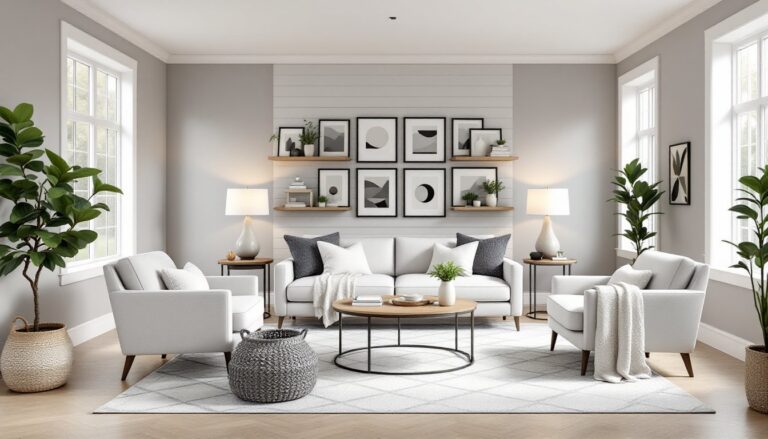
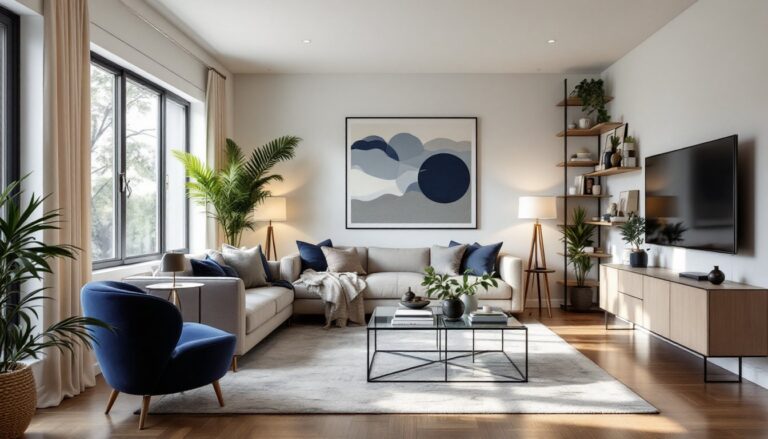
Color sets mood. Warm tones (reds, oranges, warm yellows) energize: cool tones (blues, greens, purples) calm. Neutral bases, whites, grays, taupes, let accent colors shine and make spaces feel larger. When planning wall decor for a living room or bedroom decoration, pick a 60-30-10 rule: 60% dominant color (walls, large furniture), 30% secondary color (accent wall, large accessories), 10% accent color (pillows, art, plants).
Test paint colors by buying sample quarts. Paint large swatches on different walls and observe them in morning, afternoon, and evening light. Paint looks different under natural versus artificial light, this is non-negotiable before committing.
Furniture scale matters enormously. A delicate loveseat drowns in a cavernous living room: an oversized sectional crushes a small bedroom. Measure doorways and hallways before buying, you can’t return a sofa that won’t fit through the front door. An interior design concept board helps you see how pieces work together before purchase.
Layer your decor in stages. Start with essential furniture (bed, sofa, tables). Add storage (dressers, shelving). Then accessories (pillows, artwork, lighting). This sequence prevents buyer’s remorse and helps you stay on budget, you can always add accessories later, but a sofa is a long-term commitment.
Budget-Friendly Design Tips for Every Room Type
Budget doesn’t limit design quality, it forces prioritization. Splurge on items you touch daily (mattress, office chair, sofa) and save on things that wear visually but not functionally (artwork, side tables, throw pillows).
Bedroom Decoration on a Budget
A fresh coat of paint costs $100–250 for a bedroom but transforms the space completely. Swap bedding, add string lights or a simple headboard (DIY versions run $30–80), and rearrange furniture. One statement piece, a vintage mirror, a bold rug, or floating shelves, costs less than $150 and anchors the look.
Living Room Decor Without Very costly
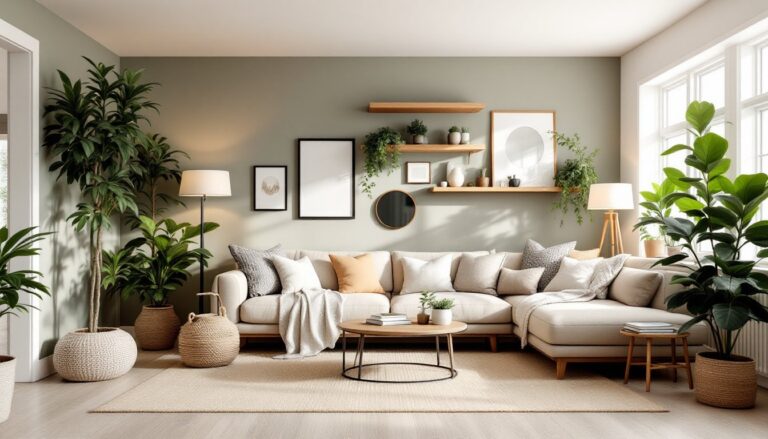
Start with a neutral sofa (a solid investment). Layer with inexpensive pillows and throws in seasonal colors, swap them out as trends or moods change. Thrift stores, Facebook Marketplace, and end-of-season sales offer deals. Wall decor for living rooms (prints, shelving, plants) costs pennies compared to furniture but creates visual impact.
Timeless Over Trendy
Avoid ultra-trendy colors or styles that’ll feel dated in two years. Stick with classic pieces (white subway tile, simple gray paint, natural wood) and refresh with inexpensive accessories. When evaluating interior design ideas, ask: Will I love this in five years, or is it a fleeting trend?
DIY Projects That Pay Off
Paint an accent wall, build floating shelves, refinish a thrifted dresser, or create an art gallery wall with affordable prints. These projects take a weekend and cost $50–200 but yield professional-looking results. Effort matters more than money here.
Smart Shopping Tactics
Buy basics (white sheets, neutral rugs, simple frames) from budget retailers. Invest in one or two statement pieces from mid-range brands. Avoid fast furniture, it falls apart and costs more per year of use. Measure before buying, return generous furniture (it adds up fast), and don’t impulse-purchase decor just because it’s on sale.