Transform Your Lounge Into A Relaxing Retreat: 7 Decor Ideas For 2026
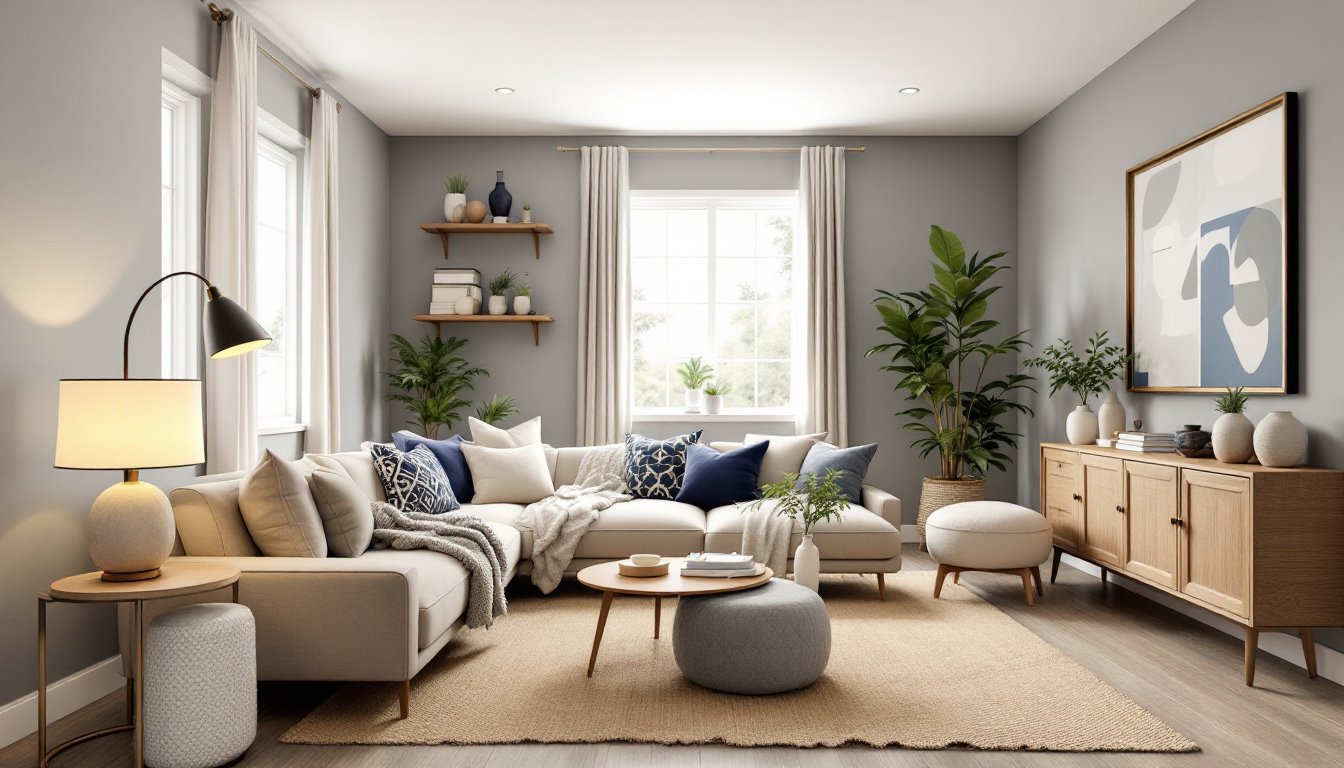
Your lounge room should be the heart of relaxation at home, a place where you genuinely want to spend time unwinding after a long day. Yet many homeowners treat it like an afterthought, filling the space with mismatched hand-me-downs and calling it done. The good news? Creating a cohesive, comfortable lounge doesn’t require a designer budget or a complete overhaul. With smart choices around color, lighting, furniture placement, and accessories, you can transform even a bland living area into a retreat that feels intentional and inviting. Whether you’re starting from scratch or refreshing what you’ve got, these seven practical lounge room decor ideas will guide you toward a space that balances comfort with style, and actually reflects who you are.
Key Takeaways
- Use the 60-30-10 color rule to build a cohesive lounge room decor: 60% base color, 30% supporting colors, and 10% bright accents for visual balance.
- Layer your lighting into three types—ambient, task, and accent—and install dimmable bulbs to transform your lounge from functional to relaxing depending on the time of day.
- Choose furniture that matches how you actually use the space, avoid pushing everything to walls, and prioritize neutral, timeless pieces with bold colors introduced through swappable pillows and throws.
- Add depth and visual interest by mixing hard and soft textures, patterns, and natural materials like wood, stone, and linen throughout your lounge.
- Incorporate plants and greenery to improve air quality and create a calm atmosphere, then personalize with artwork, books, mirrors, and meaningful accessories that reflect your lifestyle.
- A thoughtfully designed lounge room decor balances all elements—color, lighting, furniture, texture, and personal touches—to create a space that feels both polished and genuinely livable.
Choose A Cohesive Color Palette
Color is the foundation of any room’s mood, and getting it right in your lounge sets the tone for everything else. Start by picking a base color, this is your workhorse, covering roughly 60% of the room (walls, large furniture pieces, flooring). Neutrals like warm grays, soft beiges, or muted taupes work well because they anchor the space without overwhelming it. Then add two supporting colors (about 30% of the scheme) through accent walls, larger furniture, or curtains. Finally, introduce 1-2 bright accent colors in the remaining 10%, think jewel tones, burnt orange, or deep forest green used in pillows, artwork, or decorative objects.
Common palette types include monochromatic (varying shades of one color), analogous (colors next to each other on the color wheel like blue and green), complementary (opposites like navy and gold), or triadic (three equally spaced colors). Don’t overthink it, pick what speaks to you.
One often-overlooked factor: how light moves through your room. North-facing lounges tend to feel cooler, so warmer neutrals and softer tones prevent the space from feeling cold. South-facing rooms get strong natural light, which can wash out pale colors: richer, deeper tones hold up better. If you’re unsure, paint a test swatch on your wall and observe it at different times of day. Artificial light also shifts color perception, so consider whether you’ll mostly use your lounge during evening hours.
Add Comfort With Layered Lighting
A single overhead fixture is the enemy of a relaxing lounge. Instead, create three layers of light: ambient (general illumination), task (reading or work-focused), and accent (mood-setting highlights).
Ambient lighting forms your base, think recessed ceiling lights, a central chandelier, or wall-mounted fixtures. Task lighting tackles specific activities: a floor lamp next to your reading chair, a table lamp on a side table, or sconces flanking artwork. Accent lighting is the mood maker, LED strip lighting behind floating shelves, uplighting on plants, or decorative string lights create warmth without being overly bright.
The magic is in control. Install dimmable bulbs or use dimmer switches wherever possible. Brighter light works for hosting or deep cleaning: softer light transforms the same room into a haven at night. Warm-white bulbs (2700K color temperature) feel more relaxing than cool-white (5000K+), which can feel clinical. Mix lamp styles, matching pairs of table lamps on either side of a sofa feel balanced, while an oversized arc floor lamp adds visual interest without symmetry. Position light sources at varying heights to avoid harsh shadows on your face if you’re sitting and reading.
Incorporate Functional Furniture
Your furniture layout should honor how you actually use the space. A lounge is typically where people gather, relax, watch TV, or read, so choose pieces that support those activities without crowding the room.
Core pieces include a sofa or sectional (the anchor), a coffee table (surface for drinks, books, remotes), side tables near seating (for lamps and personal items), and ideally one accent chair if space allows. Storage, ottomans with hidden compartments, console tables, or floating shelves, helps keep clutter hidden while maintaining an open feel. Avoid pushing all furniture to walls: floating a sofa creates an intimate conversation zone and makes a room feel larger. Leave at least 18 inches of walkway space on either side and through doorways so traffic flows naturally.
When selecting pieces, prioritize quality over trend. A well-made sofa with a neutral upholstery is a 10-year investment: bold patterned sofas date quickly. Instead, add pattern and color through pillows and throws that you can swap seasonally. Furniture scale matters too, an oversized sectional in a small 12-by-14-foot room dominates and restricts movement. Measure your doorways and hallways before buying: many DIYers skip this step and end up with a sofa that won’t fit through the entry.
Create Visual Interest With Textures And Patterns
A monochromatic room can feel flat if every surface has the same finish. Layer in texture to add depth and keep the eye engaged. Mix hard and soft materials: a wooden side table next to a plush velvet chair, a metal floor lamp alongside linen curtains, a glass coffee table with a woven jute rug underneath.
Patterns prevent visual monotony without resorting to loud colors. A geometric area rug anchors the seating area and adds visual rhythm. Throw pillows in complementary patterns (paisley with stripes, solid with a subtle geometric print) create focal points on a neutral sofa. Curtains with a subtle pattern or texture soften hard windows, and artwork introduces scale and personality. The key is balance: if your sofa is a bold patterned fabric, keep the rug and pillows quieter. If everything is solid, one statement patterned area rug can pull the scheme together.
Textile layers, a chunky knit throw draped over an armchair, linen window treatments, a wool or cotton area rug, enhance comfort and warmth. Natural woven textures like rattan side tables or jute baskets add organic appeal without clashing with modern or traditional styles. These elements are what transform living area decor from sterile to inviting.
Use Plants And Natural Elements
A lounge without greenery can feel lifeless. Plants bring color, improve air quality, and psychologically signal that a space is calm and cared for. You don’t need a green thumb, easy, low-light plants like pothos, snake plants, and ZZ plants thrive in most indoor conditions. For more light-filled lounges, fiddle leaf figs, monstera, or rubber plants add statement-making height and visual interest.
Group smaller plants on floating shelves or side tables at varying heights: don’t line them up like a nursery. A large floor plant in a corner creates a natural focal point and softens hard edges. Planters matter, a consistent material (all ceramic, all concrete, all woven) feels cohesive, or mix them deliberately for an eclectic look.
Beyond plants, natural materials warm up any room. Reclaimed wood shelving, a live-edge wood side table, or wooden wall paneling introduces organic texture. Stone, marble, or slate accents (a fireplace surround, a tabletop) add solidity and elegance. Natural fibers, linen upholstery, cotton throw blankets, jute rugs, rattan furniture, feel tactile and comfortable. Modern lounge design increasingly emphasizes sustainable and natural materials as both aesthetic and ethical choices. These elements don’t need to dominate: even one substantial natural piece, a reclaimed wood shelving unit or a stone fireplace feature, grounds the space and prevents it from feeling cold or overly designed.
Add Personal Touches With Accessories
This is where your lounge becomes yours. Accessories are the easiest way to inject personality without a major investment. Artwork, whether original paintings, prints, or a gallery wall, commands attention and reflects your taste. Framed photos of family or travel memories remind you why this room matters. Books stacked on a coffee table or filling a shelf signal intelligence and relaxation. Decorative objects (sculptures, pottery, vintage finds) tell a story if chosen intentionally rather than accumulated randomly.
Throw pillows and blankets are the unsung heroes of lounge comfort. Layer pillows in varying sizes and textures on your sofa, support your back while adding visual depth. A chunky knit blanket draped over an armchair invites napping. Mirrors expand the sense of space and bounce light around: lean a large mirror against a wall or hang one above a console table. Rugs define zones and add softness underfoot, a quality area rug in your lounge’s color palette anchors furniture and makes the space feel intentional.
For those creating a restroom ideas decor scheme or a powder room upgrade, consider how accessories extend beyond the lounge. Small mirrors, artwork, and plants scale well in bathrooms too. The principle remains: choose items that genuinely appeal to you, arrange them thoughtfully rather than symmetrically, and don’t fear negative space. An uncluttered shelf with three perfect objects beats a crowded shelf of ten forgettable items. You can refresh accessories seasonally or when your taste evolves, making this the lowest-stakes way to keep your lounge feeling current.
A luxury hookah lounge design demonstrates how layered accessories, plush seating, rich textiles, mood lighting, and curated décor, create an immersive experience. Apply that same intentionality to your everyday lounge, and it transforms into a space you genuinely want to inhabit.
Conclusion
Building a relaxing lounge retreat isn’t about following trend forecasts or maxing out your budget. It’s about thoughtfully combining color, light, furniture, texture, natural elements, and personal accessories into a cohesive whole. Start with a color palette that suits your space and mood, layer in multiple light sources you can adjust, choose furniture that serves your actual lifestyle, and let textures and plants breathe life into the room. Top it off with accessories that tell your story, and you’ll have a lounge that feels both polished and genuinely livable. The best living room designs balance all these elements, and yours can too.