Sitting Room Decor Ideas: 7 Design Strategies for a Stylish, Functional Space in 2026

Your sitting room, also called a front room or living room, is where life actually happens. People gather, conversations linger, and comfort matters. But transforming that space into something both beautiful and livable doesn’t require a design degree or a blank check. The key is starting with a strategy. Whether you’re working with 200 square feet or 2,000, the same principles apply: a strong color foundation, furniture that works for your lifestyle, and lighting that flatters everyone in the room. This guide walks you through seven practical design approaches that homeowners and DIY enthusiasts have used to create sitting rooms that don’t look like showrooms but feel like home.
Key Takeaways
- Sitting room decor ideas begin with a strong color foundation—start with neutral base colors like warm grays or soft creams, then add personality through accents and feature walls for flexibility.
- Choose furniture that fits your actual lifestyle and space; measure doorways and room dimensions carefully, and prioritize multifunctional pieces like storage ottomans and wall-mounted shelving to maximize comfort in smaller areas.
- Layer three types of lighting—ambient, task, and accent—to transform your sitting room from flat and functional to inviting, using dimmers and 2700K warm-toned bulbs for optimal comfort.
- Modern wallpaper and wall treatments like peel-and-stick options offer durability and personality without permanent commitment, working best on accent walls in smaller sitting rooms.
- Position furniture to support your actual activities—whether reading, working, or hosting—rather than designing around showroom aesthetics, and use throw pillows and blankets to introduce color without full upholstery replacement.
- Account for natural light flow throughout the day; north-facing light requires warmer artificial lighting while west-facing windows need light control through sheer curtains or cellular shades.
Design a Strong Color Palette and Wall Finishes
Choosing Your Color Scheme and Paint Strategy
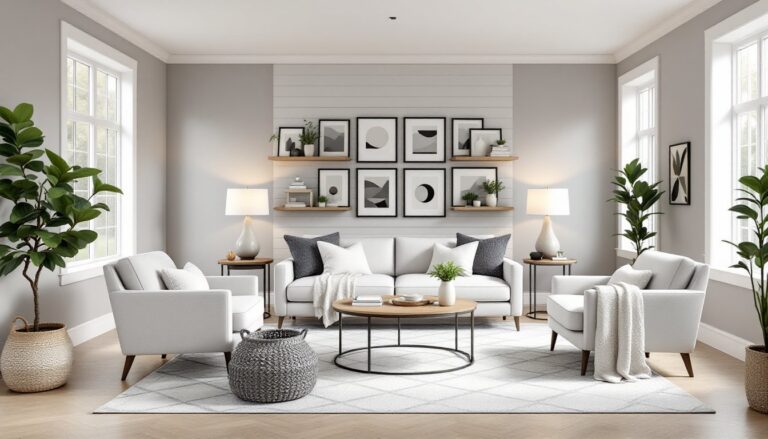
Color sets the emotional tone before you place a single piece of furniture. Most designers start with a neutral base, think warm grays, warm whites, or soft creams, then add personality through accents. A neutral base makes the room feel larger and gives you flexibility to swap decor later without repainting.
When selecting paint, grab several sample cans and paint large swatches on different walls. View them at various times of day: north-facing walls shift cooler, south-facing ones warmer. One coat of sample paint won’t give you an accurate read. Once you’ve settled on a color, invest in quality paint: two coats of premium interior latex provides better coverage and durability than budget options. Standard coverage is about 350 square feet per gallon.
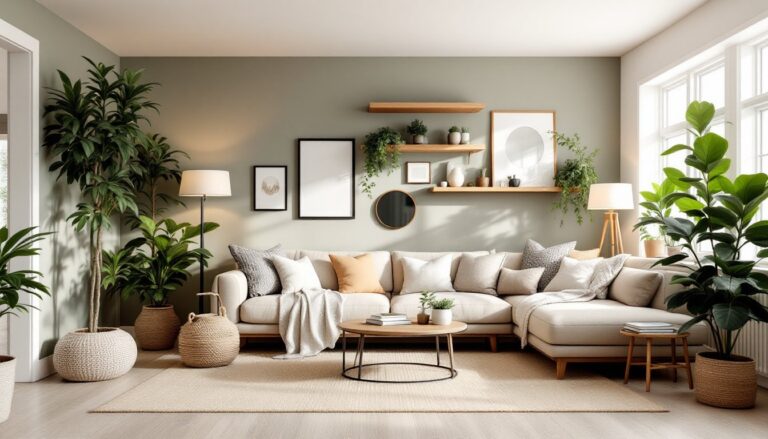
If you’re nervous about bold color, consider a feature wall instead of painting the entire room. Homeowners often choose the wall behind the sofa or the one visible when entering. Paint that wall a deeper tone, a muted sage, warm charcoal, or subtle jewel tone, while keeping surrounding walls lighter. This approach lets you experiment without commitment.
Adding Depth With Wallpaper and Wall Treatments
Wallpaper has experienced a serious comeback, and modern options are nothing like what your parents installed. Peel-and-stick wallpaper is genuinely durable now, and temporary designs let renters add personality without landlord approval. If you’re a homeowner, traditional removable wallpaper or paste-the-wall varieties offer richer patterns and textures.
Wallpaper works best on accent walls or in smaller sitting rooms where it won’t overwhelm. Measure carefully: wallpaper width varies, but standard rolls cover roughly 54 square feet. Calculate your wall’s square footage and buy one extra roll for mistakes. Before hanging, prep your walls, any bumps, holes, or dust will show through.
Beyond paint and wallpaper, consider texture. Shiplap, beadboard, or simple board-and-batten wainscoting add visual interest and architectural character without the complexity of full renovation. For a budget-friendly option, peel-and-stick shiplap panels create the look without actual construction. They won’t hold a loaded shelf, but they transform a blank wall and remove cleanly if you move.
Select Furniture That Fits Your Space and Lifestyle
Finding the Right Sofa and Seating Options
Your sofa is the anchor of any sitting room. Size matters more than style. A massive sectional might look impressive in a furniture showroom but will make a 12-by-14 room feel cramped. Measure your doorways, hallways, and the actual room, depth, width, and ceiling height. Then sketch your layout to scale on paper or use a design app: this takes 15 minutes and prevents returning an expensive piece.
Consider your lifestyle. Do you have kids or pets? Choose fabrics that hide stains and withstand regular cleaning: microfiber, performance fabrics, or leather. Neutral-colored upholstery is forgiving: light gray, warm beige, and soft greens work across different design directions. If you prefer something with personality, use throw pillows and blankets as your color vehicle, they’re cheap to replace.
For seating options beyond the sofa, think about actual use. A wingback chair in the corner looks nice but won’t work if everyone needs to angle toward the TV or conversation area. Swivel chairs are underrated for living spaces and give flexibility without eating floor space. A storage bench or ottoman provides extra seating while hiding blankets and remotes.
Prioritizing Multifunctional and Space-Saving Pieces
Sit down and name everything you actually do in this room: watch TV, read, work from home, host game nights, nap? Design for those activities, not for magazine covers. If reading happens, add a small side table next to your chair for a lamp and a mug. If you work there, a slim console desk tucked against a wall beats a bulky filing cabinet.
Multifunctional pieces work especially well in smaller sitting rooms. A coffee table with built-in storage, an ottoman with a removable tray, or a media console that also hides blankets and books all serve double duty. Wall-mounted shelving above the sofa or beside a window provides display space and storage without claiming floor space.
Size your furniture to the room. In a modest sitting room, a low-profile sofa reads larger than a high-backed sectional. Pair it with streamlined side tables rather than chunky nightstands. The goal is visual breathing room, you should be able to walk from door to window without shuffling sideways through furniture.
Layer Lighting and Create Visual Interest
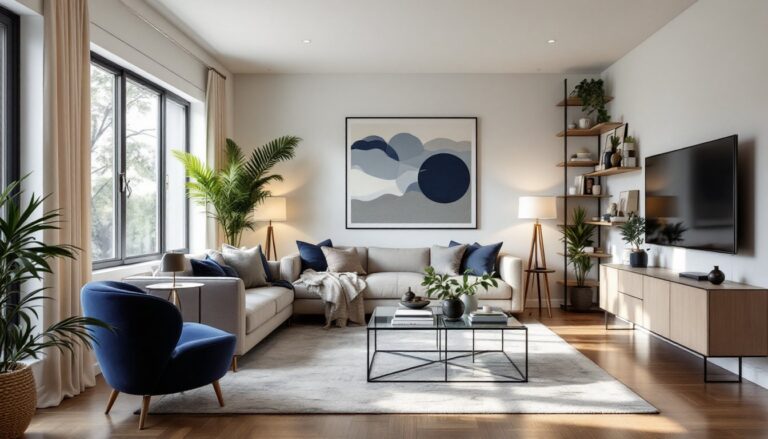
Lighting transforms a sitting room from functional to inviting. Most people rely on a single overhead fixture, which is flat and unflattering. Instead, use three types of light: ambient (overhead or recessed), task (reading lamps, desk lights), and accent (wall sconces, picture lights, candles).
Start with ambient lighting. If your room has a ceiling fixture, keep it but don’t make it the only light source. Recessed lights work well but can feel cold without warmth adjustments, look for units rated at 2700K color temperature for a warm tone. If you’re adding new lighting, consider a simple pendant or flush-mount fixture that complements your style.
Add task lighting where people actually sit. A floor lamp beside a reading chair or a swing-arm wall sconce above a console desk provides focused light for work or reading without glare. Lamp shades matter: linen or cloth shades diffuse light softly, while metal shades direct it. A 60-watt equivalent LED bulb in a warm white provides enough light for most tasks.
Accent lighting is the secret ingredient that makes rooms feel designed. Picture lights above artwork, wall sconces on either side of a fireplace, or even small LED strip lights behind floating shelves add dimension and warmth. These don’t need to be bright, they create focal points and make the room feel intentional.
When layering, use dimmers wherever possible. You might prefer bright light for cleaning but softer ambient light for an evening gathering. Smart bulbs are worth considering if you want flexibility without rewiring: they let you adjust brightness and color temperature from your phone. Don’t underestimate the power of good lamps, they’re also an easy way to refresh a room’s look and tie your color palette together.
Consider how natural light flows through your sitting room throughout the day. A large west-facing window brings afternoon heat and glare: sheer curtains or cellular shades control it while maintaining privacy. North light is consistent and cool: it won’t add warmth, so your artificial lighting needs to compensate. Many design professionals use this understanding to layer lighting that adapts to natural changes, creating a living room that’s comfortable at 8 a.m. and equally inviting at 8 p.m.