Traditional Italian Interior Design: Timeless Elegance for Your Home in 2026
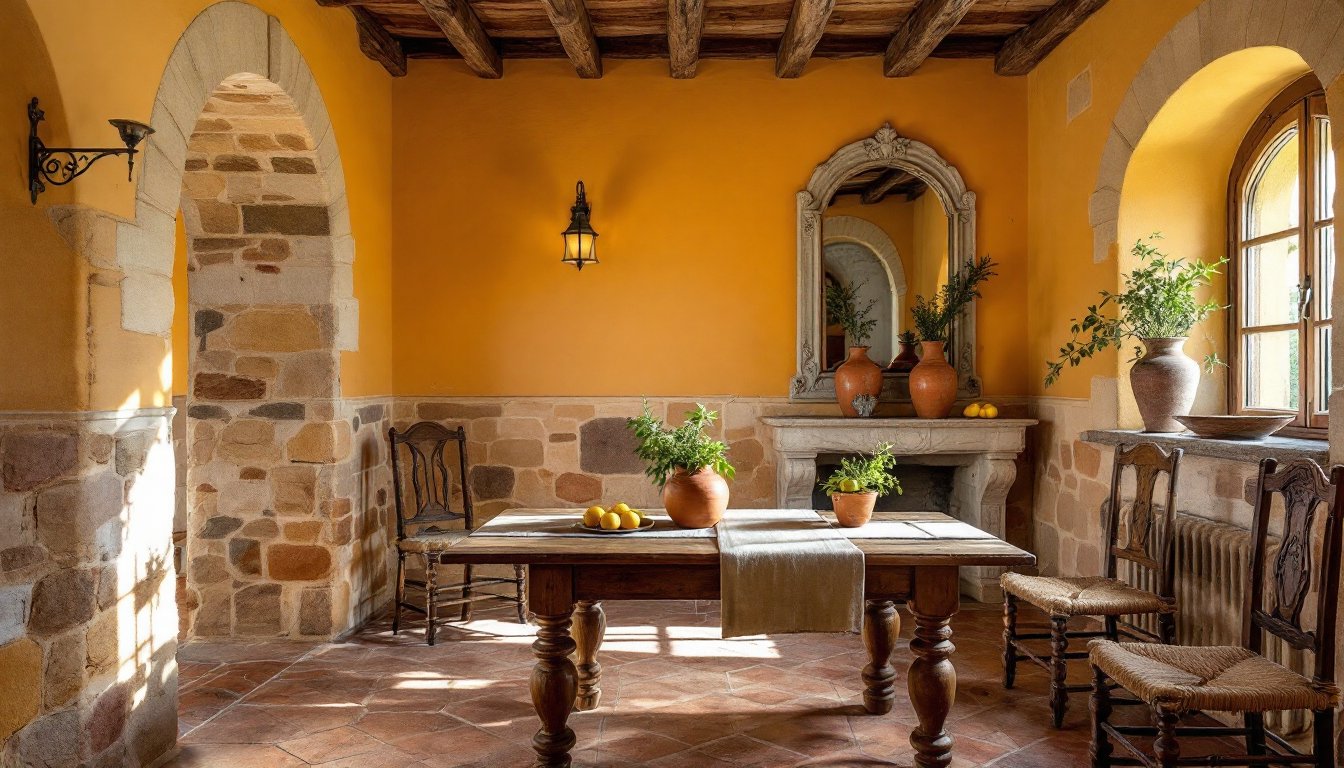
Italian interior design has captivated homeowners for centuries, and for good reason. It’s not flashy or trendy, it’s rooted in centuries of craftsmanship, regional authenticity, and a deep respect for materials and proportion. Whether you’re drawn to the warm ochre walls of Tuscany, the terracotta tiles of a Sicilian villa, or the carved wooden details found in Roman palaces, traditional Italian design offers a blueprint for creating spaces that feel both timeless and genuinely livable. This guide walks you through the core principles, materials, and specific techniques you can apply to bring authentic Italian character into your own home.
Key Takeaways
- Traditional Italian interior design emphasizes quality over quantity, with well-crafted furniture and architectural elements that reflect centuries of regional craftsmanship and authenticity.
- Warm earth tones like ochre, terracotta, and soft creams form the foundation of authentic Italian color palettes, chosen for their timeless appeal and ability to age beautifully over time.
- Natural materials—solid wood with visible joinery, stone flooring, and handmade terracotta tiles—are essential to traditional Italian design and require proper installation by skilled professionals.
- Architectural details such as exposed beams, arches, columns, and Venetian plaster create character and proportion, distinguishing Italian interiors through structural elements rather than surface decoration.
- Layered, warm lighting (2700K color temperature) from fixtures like wrought-iron sconces and candelabra-style pendants replicates the authentic glow of traditional Italian homes and enhances their inviting atmosphere.
- Decorative accents—antique pottery, religious art, natural textiles, and items reflecting regional heritage—should feel collected over time rather than perfectly coordinated, maintaining the lived-in authenticity of traditional Italian spaces.
The Essence Of Italian Design Philosophy
Traditional Italian design isn’t about decoration for its own sake, it’s about honoring the integrity of materials and spaces. The philosophy centers on quality over quantity, proportion, and a sense of place. Unlike some design movements that follow strict rules, Italian design embraces regional variety: a Venetian palazzo looks different from a Tuscan farmhouse, yet both feel authentically Italian.
The key is restraint paired with richness. A room might have just a few pieces of furniture, but each one is well-crafted and carefully placed. Walls are treated as architectural elements, not blank canvases for decoration. Natural light, textures, and the weathered patina of materials matter more than matching sets or coordinated trends.
This philosophy emerged from practical necessity, rural farmhouses needed durable, hand-finished pieces that would last generations. Over time, this approach became a design signature. When you see an Italian interior, you’re seeing the result of craftspeople, masons, and woodworkers taking their time to get proportions right. Modern homeowners can adopt this mindset by choosing fewer, better pieces and investing in proper surface preparation and finishing work. When exploring regional variations, discovering the charm and warmth of southern interior design offers similar principles of timeless, place-based aesthetics.
Color Palettes That Define Italian Spaces
Walk through an Italian village and you’ll notice the color palette is drawn directly from local earth and landscape. The most iconic hues come from natural pigments and regional materials: warm ochres, soft sienas, muted umbers, terra cotta reds, and soft creams. These aren’t bright or saturated, they’re the faded, sun-worn tones of centuries-old buildings.
Ochre and terracotta form the backbone of Tuscan interiors. These warm, earthy tones appear on walls, floors, and even trim. They work because they’re forgiving: they age beautifully and don’t show dust or wear. Soft creams and warm whites balance richer tones and keep spaces from feeling dark, even with limited natural light. Sage greens, soft blues, and muted grays appear as accent colors, often inspired by regional landscapes or historical pigment availability.
When choosing paint, skip pure whites and harsh reds. Look for colors with mineral or earth undertones. Many paint manufacturers now offer historical or regional Italian palettes: Benjamin Moore, Farrow & Ball, and Sherwin-Williams all stock warm ochres and aged creams. Test samples on your walls in natural light and observe how they shift throughout the day. A color that looks perfect at 10 a.m. might feel too yellow at sunset. Apply at least two coats of quality, mineral-based or lime-wash paint to achieve the slightly matte, aged finish typical of Italian rooms. This approach, combined with careful color study like that found in interior design archives, ensures authentic, lasting results.
Furniture And Materials: Craftsmanship At Its Core
Italian furniture speaks a clear language: solid wood, visible joinery, and age-appropriate wear. You won’t find cheap laminate or particleboard in traditional Italian homes. Pieces are built to last, and if they break, they’re repaired, not replaced.
Look for furniture with turned legs, carved details, and simple but elegant proportions. Chairs often have woven rush or leather seats: tables are heavy and solid, with aprons (the framed structure beneath the tabletop) that add visual weight and stability. Beds feature carved or turned headboards and footboards. Armoires and commodes are statement pieces, often with paneled doors and substantial hardware.
When sourcing pieces, hunt estate sales, antique shops, and specialty retailers focused on European furnishings. Authentic pieces show signs of age: variations in wood tone, minor gaps in joints, and a patina that doesn’t come from a stain can. If you’re commissioning new work, work with a woodworker or furniture maker who understands mortise-and-tenon joinery and hand-planing for an aged surface texture.
Wood, Stone, And Terracotta Elements
Wood in Italian interiors comes in several forms. Exposed ceiling beams (often reclaimed or hand-hewn to look reclaimed) are central to Tuscan and farmhouse styles. These typically range from 6×8″ to 8×10″ in actual dimension and show adze marks or hand-planing texture. Wainscoting or dado rails (a horizontal trim line about 36 to 48 inches from the floor) divide walls into painted upper and wood-paneled lower sections, a hallmark of formal Italian rooms.
Stone flooring, travertine, limestone, or slate, covers floors throughout traditional Italian homes. These materials are cool underfoot, develop a patina with use, and age gracefully. Limestone and travertine naturally vary in color and are laid in irregular patterns (not strict grids), which adds to their visual appeal. If installing new stone, hire a mason experienced with natural stone: these materials require proper substrate preparation, orientation, and sealing to prevent staining and water damage.
Terracotta tiles, traditionally handmade, vary slightly in size, color, and thickness. Authentic versions come from specialized suppliers in Italy or Spain: they cost more but age with character. If budget is tight, look for reproductions made using traditional firing methods rather than factory-uniform tiles. Terracotta requires sealing before use in kitchens or bathrooms to resist moisture and staining. Lay tiles with grout lines that suit the era you’re emulating: wider, rougher joints (⅜ inch or more) look more historical than thin, uniform grout lines.
Wood, stone, and terracotta aren’t fast fixes, they require time, proper installation, and sometimes professional help. A mason or skilled tile installer is worth the investment. For design guidance using digital tools, top interior design apps can help visualize material combinations before committing.
Architectural Details And Finishing Touches
Italian interiors rely heavily on architectural detail to create character. These aren’t decorative add-ons, they’re structural or semi-structural elements that define the room’s style and proportion.
Arches, Columns, And Wall Treatments
Arches soften transitions between rooms and add visual drama. A barrel vault (a half-cylinder of curved ceiling) is more architectural than a flat arch, but even a simple rounded opening between rooms reads as distinctly Italian. Building an arch requires framing skill and usually a temporary support structure during construction. If walls are load-bearing (which they often are in older homes), you’ll need an engineer’s sign-off and proper structural support, typically a steel or LVL (laminated veneer lumber) beam. This is not a DIY task, hire a licensed contractor or structural engineer.
Columns and pilasters (flat, decorative columns attached to walls) frame doorways and create visual rhythm. They’re often Tuscan or Doric order (simple, sturdy capitals and no base). Columns made from stone, plaster, or even wood molding can be installed by a skilled finish carpenter. Ensure they’re plumb (perfectly vertical, checked with a level) and aligned symmetrically.
Wall treatments include frescoed or fresco-inspired finishes, hand-applied plaster with pigment (which require specialized craftspeople), and polished plaster (venetian plaster or stucco) that mimics aged marble or stone. These create subtle, luminous surfaces that shift in light. Venetian plaster is achievable for a DIYer with practice, watch videos, practice on a test board, and understand that it takes multiple thin coats and burnishing with a steel trowel to achieve depth.
Exposed brick appears in rustic Italian spaces, often limewashed (a breathable, mineral-based coating) rather than painted. If your home has buried brick, you can expose it carefully: use a cold chisel and hammer, work slowly to avoid damaging mortar, and expect labor-intensive, tedious work. Once exposed, clean with acid wash (following safety protocols: goggles, gloves, ventilation) and seal or limewash to protect from moisture. Resources like Homify showcase how professional designers integrate these details cohesively.
Lighting And Decorative Accents
Italian homes often feel warm and inviting because of how light is managed. Before electricity, rooms relied on firelight, candles, and windows, so traditional Italian interiors embrace layered, warm lighting rather than bright overhead fixtures.
Fixtures are typically wrought iron, brass, or bronze with minimal ornamentation, think candelabra-style sconces, lanterns, or pendant lights with glass or fabric shades. Avoid chrome, polished nickel, or overly modern designs. Look for fixtures with visible patina or aged finishes. Recessed lighting, common in modern homes, feels out of place: use lamps, sconces, and chandelier uplighting instead.
Color temperature matters: warm white or soft white (2700K) mimics candlelight and feels authentically Italian. Daylight or cool white (5000K+) looks cold and institutional. When replacing bulbs, choose warm LED bulbs (look for “2700K” on the packaging) to replicate the golden glow of older incandescent fixtures.
Decorative accents should reflect use and history, not aesthetic perfection. Antique pottery, hand-painted ceramics, and religious or regional art appear on shelves and walls. Heavy mirrors with carved wood or plaster frames amplify light and create depth. Textiles, linen, wool, and lace, in soft, natural tones drape windows and cover furniture. Avoid bold patterns or modern prints: stick to solids, subtle checks, or historical damasks.
Fresh or dried herbs, lemons, and flowers in terra cotta vessels add color and a sense of place. A fireplace, even if rarely used, becomes a focal point and architectural anchor. If you don’t have one, a well-designed mantel-style shelf can serve similar visual purpose. Design inspiration from Homedit offers practical styling examples, and historical references like 17th-century Italian farmhouse tours show how professionals balance detail with livability.