Transform Your Basement Into a Stunning Living Space: A 2026 Design Guide
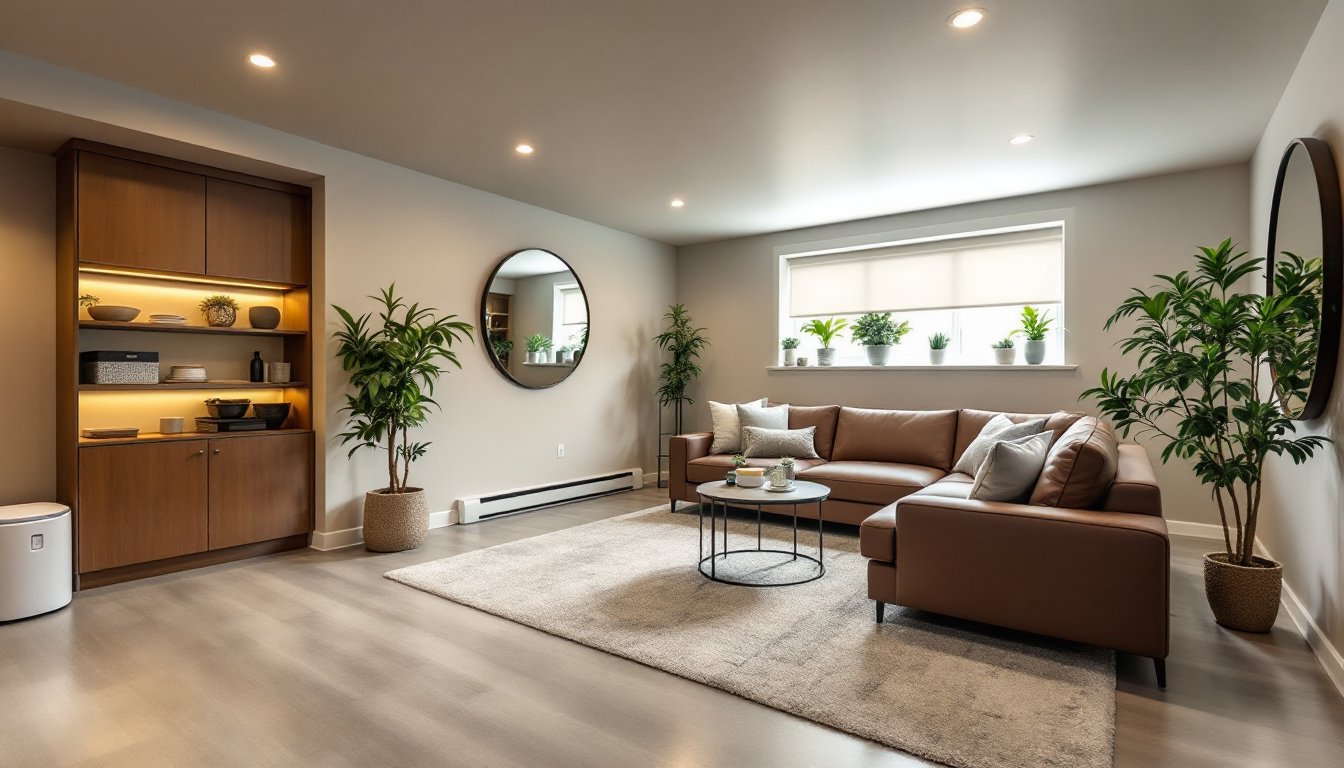
A basement has serious potential, it’s extra square footage that most homeowners overlook. Whether you’re drawn to the idea of a cozy media room, a home office, a fitness space, or simply more living area, your basement can become one of your home’s most valuable rooms. The trick isn’t magic: it’s practical planning combined with thoughtful design choices. This guide walks you through assessing what you have, planning your layout, solving lighting challenges, choosing colors and treatments, selecting durable furnishings, and adding the final details that transform a damp, forgotten space into a room your family actually wants to use.
Key Takeaways
- Basement interior design begins with addressing moisture and structural issues; solving drainage and waterproofing problems is non-negotiable before any aesthetic decisions.
- Layered lighting with ambient, task, and accent fixtures is essential to combat dark basement spaces and prevent them from feeling like caves.
- Light, neutral wall colors and moisture-resistant drywall reflect available light and protect against humidity damage more effectively than standard materials.
- Moisture-resistant flooring like vinyl plank and performance fabrics for furniture are critical investments that prevent swelling, mildew, and deterioration in basement environments.
- Define your basement’s primary function—whether a media room, home office, or fitness space—before planning layout and zoning to ensure every design choice serves your actual needs.
- Finishing touches like area rugs, mirrors, dehumidifiers, and low-light plants transform a basement into a comfortable, intentional living space your family will genuinely enjoy.
Assess Your Basement’s Potential and Existing Conditions
Before you hang a single picture, spend time understanding what you’re working with. Walk through your basement with a flashlight, a moisture meter, and honest eyes.
Start with moisture and drainage. Basements are naturally damp, they’re below grade and surrounded by soil. Check for active leaks, efflorescence (white mineral deposits on concrete), or musty smells. If water’s actively pooling or walls are wet, you need to solve that before design work begins. A dehumidifier and good drainage around your home’s foundation are non-negotiable. If moisture is severe, call a basement waterproofing professional: this isn’t a skip-it step.
Next, assess structural elements. Identify load-bearing walls, support posts, and utilities (plumbing, electrical, HVAC). You can’t remove or relocate these without permits and professional help. Account for ceiling height too, standard basements sit around 7 to 8 feet tall. This affects furniture scale and whether you can drop a ceiling for visual interest or to conceal ductwork.
Check your electrical service. Most basements have minimal outlets. Plan for additional circuits if you’re adding significant lighting, heating, or appliances. You’ll likely need a permit and a licensed electrician to add outlets or circuits safely. Building codes require GFCI (ground fault circuit interrupter) protection on all basement outlets, non-negotiable for wet-prone spaces.
Finally, note natural light sources. Basement windows are usually small and high on walls, but they’re valuable. Maximize them: avoid blocking them with furniture or heavy décor.
Plan Your Layout and Purpose
Your layout should serve your primary purpose first, comfort second. A media room has different furniture placement than a home gym or guest bedroom.
Start by defining your main function. Are you creating a family hangout, a workspace, a guest suite, or a workshop? Be specific, this drives every other decision. A home office needs task lighting, a desk area, and quiet: a playroom needs durable flooring and zoned storage.
Draw a rough floor plan on paper or use one of the free apps covered in resources about Top Interior Design Apps for iPad. Measure your actual space, including ceiling height, window locations, and utility positions. Note focal points: a window wall, the area around your HVAC unit, or where a fireplace might go. Arrange furniture zones to flow naturally and avoid blocking doors, electrical panels, or mechanical systems.
Consider traffic patterns. Avoid furniture arrangements that force people to squeeze between pieces. Leave at least 18 inches of clearance in pathways.
Think about zoning. In an open basement, define spaces with area rugs, partial walls, or lighting changes. This makes a large, empty room feel intentional and broken into livable sections.
Lighting Solutions That Brighten Dark Spaces
Basement lighting makes or breaks the design. Poor lighting makes even a beautifully furnished space feel like a cave.
Layer your lighting with three types: ambient, task, and accent. Ambient (overhead) lighting provides general illumination, recessed lights or flush-mount fixtures work well and don’t eat into ceiling height. Aim for 50 to 75 lumens per square foot in living spaces. Task lighting brightens work areas: a desk lamp for your home office, reading lights near seating, or overhead lights in a workshop. Accent lighting highlights architectural features or décor, picture lights on artwork, uplighting behind shelving, or spotlights on a feature wall.
Choose color temperature carefully. Warm white (2700K) feels cozy and is ideal for relaxation areas. Cool white (4000K to 5000K) is better for workspaces and bathrooms, it mimics natural daylight and reduces eye strain. Mixing temperatures in one basement looks jarring: pick one and stick to it.
Install dimmer switches wherever possible. They let you adjust mood and save energy. For ambient lighting, plan for one light fixture per 50 to 75 square feet. If your basement is 400 square feet, aim for 5 to 8 overhead fixtures distributed evenly.
Maximize any natural light by keeping windows clear and using light-colored walls and finishes that reflect what little daylight enters. Consider a design guide focused on interior design presentation techniques if you’re planning a renovation to visualize how lighting changes affect the whole space.
Color and Wall Treatment Ideas
Basement walls set the tone. Light, neutral colors open up the space and reflect light better than dark colors, a critical advantage when natural light is limited.
Consider warm neutrals: creams, soft grays, warm beige, or pale taupe. These feel inviting without demanding constant overhead lighting. If you want color, try muted tones, dusty blues, soft greens, or warm terracotta, rather than saturated, intense shades. Save bold colors for accent walls or trim.
Before painting, prep is crucial. Concrete must be clean, dry, and sealed. Use a concrete sealer first, then a primer rated for masonry and moisture. Interior latex paint over unsealed concrete will peel and bubble within months. If you’re unsure, apply a test patch in a hidden corner and wait two weeks.
For wall treatments beyond paint, consider options like shiplap, paneling, or beadboard. These add texture and warmth while concealing concrete imperfections. Materials like peel-and-stick wallpaper offer a non-permanent option, though they won’t hold long-term in damp basements, save these for dry lower-level rooms.
Moisture-resistant drywall (often called “green board”) is wise for basement walls, especially if humidity runs high. Standard drywall absorbs moisture and fails. Once drywall is up, paint it with a paint-primer combo or use a separate primer rated for moisture barriers.
If your concrete floor will stay exposed and visible, an epoxy or concrete stain transforms it from industrial-looking to intentional. You’ll find inspiration from resources like Discover the Charm and Warmth of Southern Interior Design for understanding how color palettes create mood.
Furniture and Flooring Selections for Basements
Basement flooring and furniture take a beating from moisture, temperature swings, and foot traffic. Choose materials rated for these conditions.
Flooring options:
- Vinyl plank (LVP or rigid core): Waterproof, durable, affordable, and comfortable underfoot. Rigid-core is more stable in temperature swings than standard LVP. Installation requires a smooth, level subfloor: fill low spots with self-leveling concrete first.
- Laminate: Beautiful grain patterns but not waterproof, avoid if moisture is a concern.
- Tile: Extremely durable and waterproof but cold underfoot. Pair with radiant heating or rugs for comfort.
- Sealed concrete: Budget-friendly and durable: seal it well and apply a topcoat every few years.
- Rubber or foam tiles: Excellent for workout areas: affordable and shock-absorbent.
Whatever you choose, lay 6-mil polyethylene sheeting below (your moisture barrier), and allow new flooring material to acclimate in your basement for 48 hours before installation.
Furniture must withstand humidity. Skip upholstered fabric sofas in favor of leather, faux leather, or performance fabrics designed to resist moisture and mildew. Solid wood furniture is better than particleboard, particleboard swells when exposed to humidity. If you love upholstery, choose tightly woven, stain-resistant fabrics and keep a dehumidifier running to keep relative humidity below 50 percent.
Stay away from particle-based shelving and fiberboard. Solid wood, metal, or engineered wood with proper finishes handle basements far better. See resources like House Beautiful for furniture styling ideas that work in challenging spaces.
Add Finishing Touches and Décor
Now for the fun part, making your basement feel like home.
Rugs define spaces and soften hard flooring. Use area rugs in seating zones to anchor furniture groups and create visual warmth. In a basement, avoid natural fiber rugs (jute, sisal) which absorb moisture: choose polypropylene, wool-blend, or synthetic options instead. A quality rug pad underneath prevents slipping and protects flooring.
Artwork and mirrors add character without taking floor space. Mirrors are especially smart in basements, they reflect light and make spaces feel larger. Hang them opposite windows or light sources to bounce light around.
Window treatments control light and humidity. Moisture-resistant roller shades or faux-wood blinds work better than fabric curtains, which trap moisture and develop mildew. If you want the softness of fabric, choose lightweight linen blends that breathe well.
Storage solutions prevent clutter from taking over. Built-in shelving, wall-mounted cabinets, and modular storage units keep the space organized and visually clean. Label bins clearly, basements become catch-alls without intentional storage design.
Greenery brings life to basement spaces. Low-light plants like pothos, snake plants, and peace lilies thrive in basements. Use plant stands to add vertical interest without eating floor space.
Climate control matters for both comfort and preservation. A small dehumidifier (for a 500-square-foot space, aim for 50 to 70 pints per day capacity) keeps relative humidity below 50 percent, protecting furniture and preventing mold. In winter, ensure heat reaches your basement with either baseboard heating, a portable heater, or extending HVAC to the space. Resources like Freshome showcase fully furnished basement designs that balance style with practical choices.
Conclusion
Transforming your basement into a livable, beautiful space takes honest assessment, thoughtful planning, and material choices matched to basement realities. Solve moisture and structural issues first, design can’t fix poor bones. Layer your lighting, choose light colors and moisture-resistant materials, and furnish with durability in mind. The result isn’t just extra square footage: it’s a room your family will actually use. Start with one section, prove the concept works, and expand from there.