Transform Your Bedroom: Simple Decor Ideas to Create a Personal Retreat in 2026
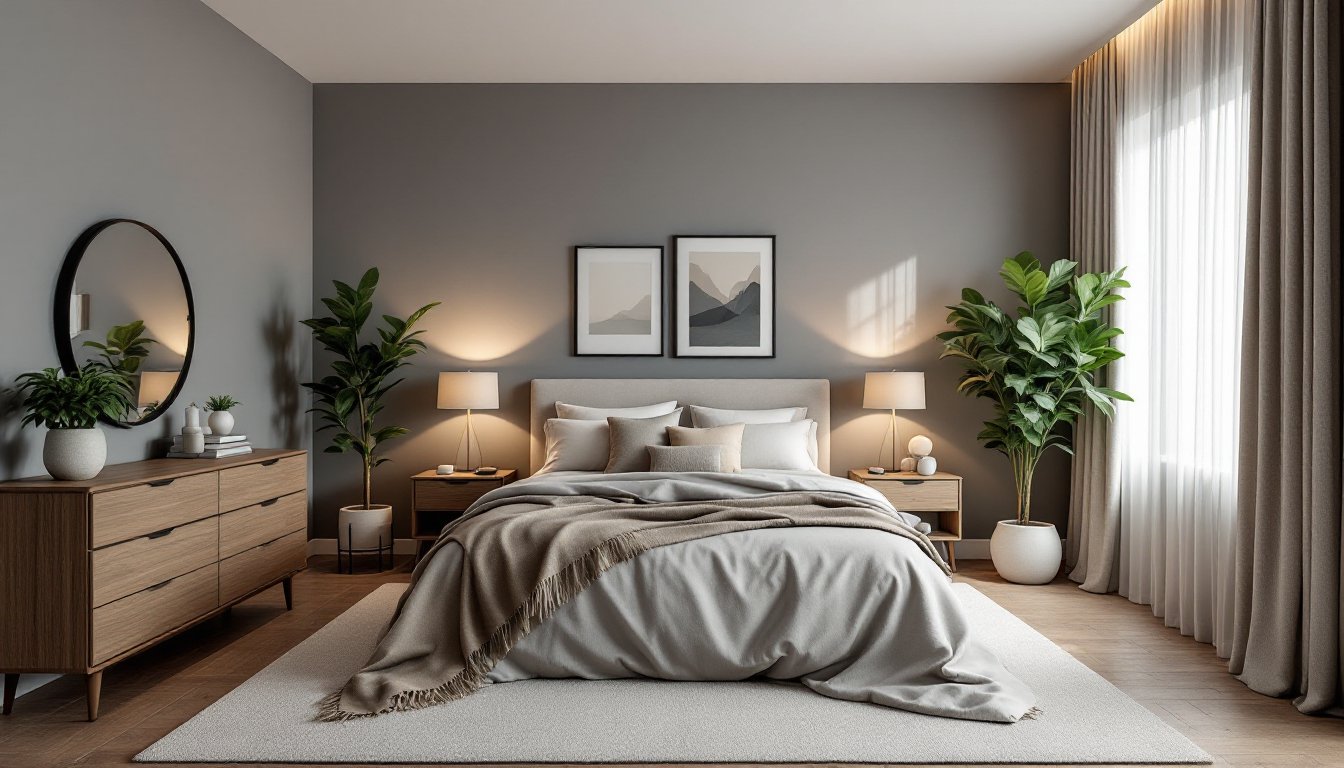
Your bedroom should be a sanctuary, a place where you can unwind, recharge, and express who you are. Yet many homeowners treat it as an afterthought, stuffing in whatever furniture fits and calling it done. The good news? Creating a bedroom that feels both inviting and functional doesn’t require a designer’s budget or architectural overhaul. With intentional choices about color, layout, lighting, and accessories, you can transform any bedroom decor into a retreat that genuinely reflects your personality. Whether you’re tackling a small spare room or reimagining your master suite, the ideas in this guide will help you design a space that works as hard as it looks good.
Key Takeaways
- Define your bedroom style by creating a mood board to identify common threads in colors, materials, and overall mood before making any design decisions.
- Choose soft, muted wall colors (warm grays, soft blues, warm whites) and test paint samples at different times of day to account for varying light conditions.
- Arrange furniture with a floor plan, positioning the bed as an anchor while maintaining 2-3 feet of walking space to create a restful, functional bedroom decor layout.
- Layer your bedroom lighting with task, ambient, and accent options—including warm bedside lamps (2700K or lower) and dimmer switches—to support relaxation and sleep quality.
- Invest in quality textiles like 400-600 thread count natural fiber sheets, and layer your bed with decorative pillows and throws to add texture and visual interest.
- Personalize your space with mirrors, wall art, and meaningful accessories like plants or framed photos, editing ruthlessly to avoid clutter and maintain intentional design.
Define Your Bedroom Style and Vision
Before you pick a single paint color or arrange a piece of furniture, sit down and ask yourself what style actually resonates with you. Are you drawn to clean lines and minimalism, cozy farmhouse vibes, modern industrial edges, or something else entirely? Your bedroom style should feel like home, not like you’re living in a catalog showroom.
Make a mood board, physical or digital, by gathering images of rooms that appeal to you. Look for common threads: Do the same colors keep showing up? Are certain materials (wood, metal, soft fabrics) consistently present? What’s the overall mood? This visual exercise takes the guesswork out of decisions and prevents you from buying pieces that don’t mesh.
Consider your lifestyle too. If you work from home, you might need a desk nook. If you have kids jumping on your bed at 6 a.m., durability matters more than delicate fabrics. Honest self-assessment at this stage saves time and money later. The 10 Budget-Friendly DIY Projects for Bedroom Makeovers guide can help you carry out your vision affordably.
Choose a Functional Color Palette
Color sets the entire mood of a bedroom, and it’s one of the easiest elements to change. Start by choosing a dominant wall color that you’ll live with long-term. Soft, muted tones (warm grays, soft blues, warm whites) typically work better in bedrooms than high-saturation shades, which can feel overstimulating at night.
Consider paint undertones carefully. A gray with blue undertones feels cool and calm: the same gray with warm undertones leans cozier. Test paint samples on your wall and observe them at different times of day, morning light and evening light reveal completely different colors. Buy small sample pots and paint 2-by-2-foot sections to live with for a few days.
Once your wall color is locked in, layer in accent colors through textiles, art, and accessories. This approach keeps the space flexible: if you tire of burnt orange pillows, you can swap them without repainting. Neutral walls paired with interchangeable soft furnishings make refreshing your room decor ideas simple and budget-friendly.
Furniture Arrangement and Layout Essentials
The way you arrange furniture dramatically affects how a bedroom feels and functions. Start by measuring your room and drawing a floor plan, even a rough sketch. Identify fixed elements: windows, doors, heat vents, and electrical outlets. These constraints often dictate where your bed can realistically go.
Traditionally, the bed anchors the room and typically faces the doorway. But, the “right” placement depends on your room’s shape and traffic flow. Avoid positioning the bed directly opposite the door if possible, and make sure you have clearance to walk around it without stubbing toes. Nightstands flanking the bed add balance and provide functional surface space.
Keep sightlines in mind, don’t block windows with a dresser if you can help it, and arrange furniture to create distinct zones if your bedroom pulls double duty (sleeping and working, for example). Leave at least 2 to 3 feet of walking space between the foot of the bed and a dresser or other furniture. Cramped layouts feel chaotic: open floor plans feel restful.
Lighting Solutions for Comfort and Ambiance
Proper bedroom lighting requires layers: task lighting for getting dressed or reading, ambient lighting for overall illumination, and accent lighting for mood. Overhead ceiling fixtures alone are rarely enough and often feel harsh.
Start with a bedside lamp on each nightstand (or one if space is tight). These should provide enough light to read without straining your eyes. Look for lamps with a warm color temperature (2700K or lower) since cool, bright light triggers alertness, the opposite of what you want before sleep.
Add a dimmer switch to your overhead fixture if code allows: this gives you flexibility to lower light in the evening. Wall sconces flanking a mirror or vanity area provide functional task lighting without taking up table space. If you’re renting or can’t modify fixtures, clip-on reading lights work surprisingly well and require no installation.
Consider the emotional component too. A simple warm string light or subtle accent lamp in a corner can feel welcoming without being distracting. The goal is making your space feel intentional and layered rather than utilitarian.
Textiles, Bedding, and Soft Furnishings
Textiles are where most people see and feel comfort in a bedroom. Your bedding is the centerpiece, so invest in quality sheets, high thread count (400–600 is reasonable: higher doesn’t always mean better) and natural fibers like cotton or linen feel better and last longer than cheap polyester blends.
Layer your bed with purpose: a fitted sheet, flat sheet, duvet or comforter, and at least two pillows. Add decorative pillows and a throw blanket draped over the foot or corner for texture and warmth. Mix textures, pair smooth linen with chunky knit throws or soft velvet cushions. This creates visual interest and invites touch.
Don’t overlook curtains or drapes. Beyond looking polished, they block light and provide insulation, which affects sleep quality and energy costs. Blackout curtains work best in bedrooms, especially if street lights or early sunlight disrupt sleep. If blackout fabrics feel too heavy visually, layer sheer curtains under them for a softer aesthetic. Wall decor for living room and other rooms might prioritize style, but bedroom textiles should prioritize rest.
Decor Accessories and Personal Touches
Once your foundation is solid, furniture arranged, color palette chosen, lighting layered, accessories let your personality shine. Wall art, mirrors, plants, and objects d’art transform a bedroom from generic to genuinely yours.
Mirrors serve double duty: they reflect light and make spaces feel larger. A large mirror opposite a window amplifies natural light. Masculine bedroom designs and other curated styles often use mirrors strategically to add depth without clutter. Keep mirrors proportional to your wall space, oversized mirrors in small rooms can feel disorienting.
Art on walls needn’t be expensive. A few well-chosen prints or paintings in coordinating frames (even mismatched frames can work if they’re the same metal finish) create a gallery wall effect that feels intentional. Avoid covering every inch: white wall space is part of good design.
Plants add life, improve air quality, and soften hard edges. Low-maintenance varieties like pothos, snake plants, or ZZ plants thrive in bedroom light conditions. Keep them away from radiators and air vents, which can dry them out. Personal objects, a framed photo, a beloved book stack, a vintage clock, anchor the space emotionally. The key is editing ruthlessly: a few meaningful accessories beat a cluttered surface every time. Addicted 2 Decorating offers countless tutorials for DIY decor projects if you want to craft custom pieces.
Conclusion
Transforming your bedroom into a personal retreat happens through intentional choices, not expensive overhauls. Start with your style vision, lock in a calming color palette, arrange furniture for flow, layer your lighting, invest in quality textiles, and personalize with carefully chosen accessories. These steps apply whether you’re designing living room decor ideas or a master suite. The result? A bedroom that feels calm, functional, and unmistakably yours, a place you actually want to spend time in. Start with one section today: you’ll be surprised how quickly your space transforms.