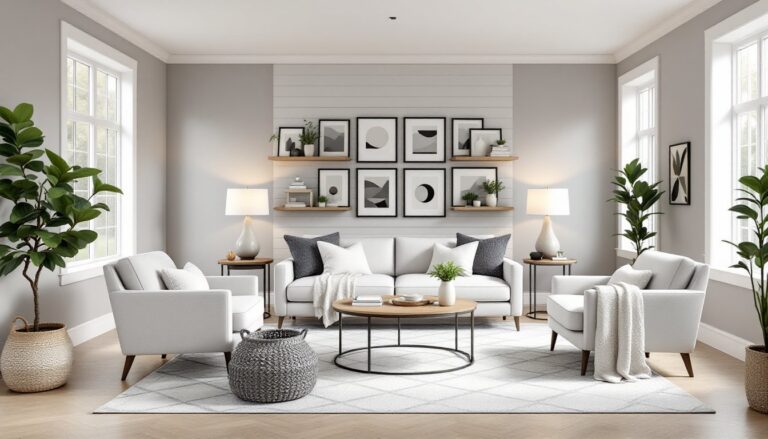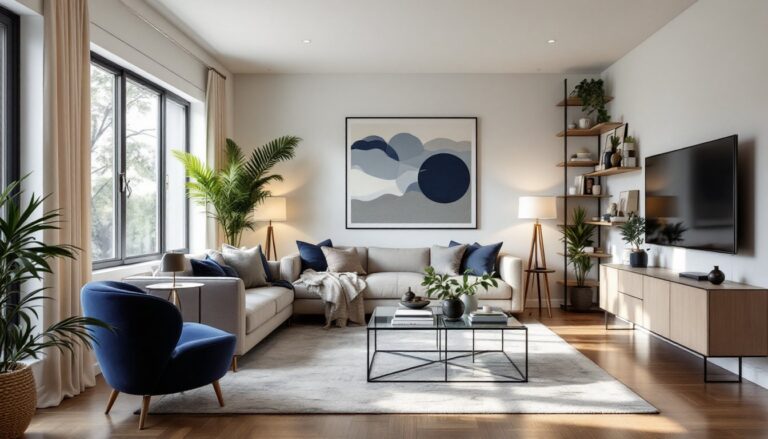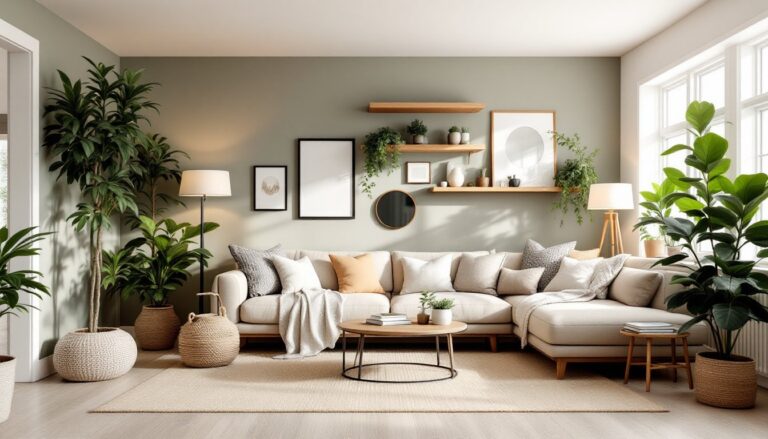
Transform Your Space: The Ultimate Guide to Home Decorating in 2026
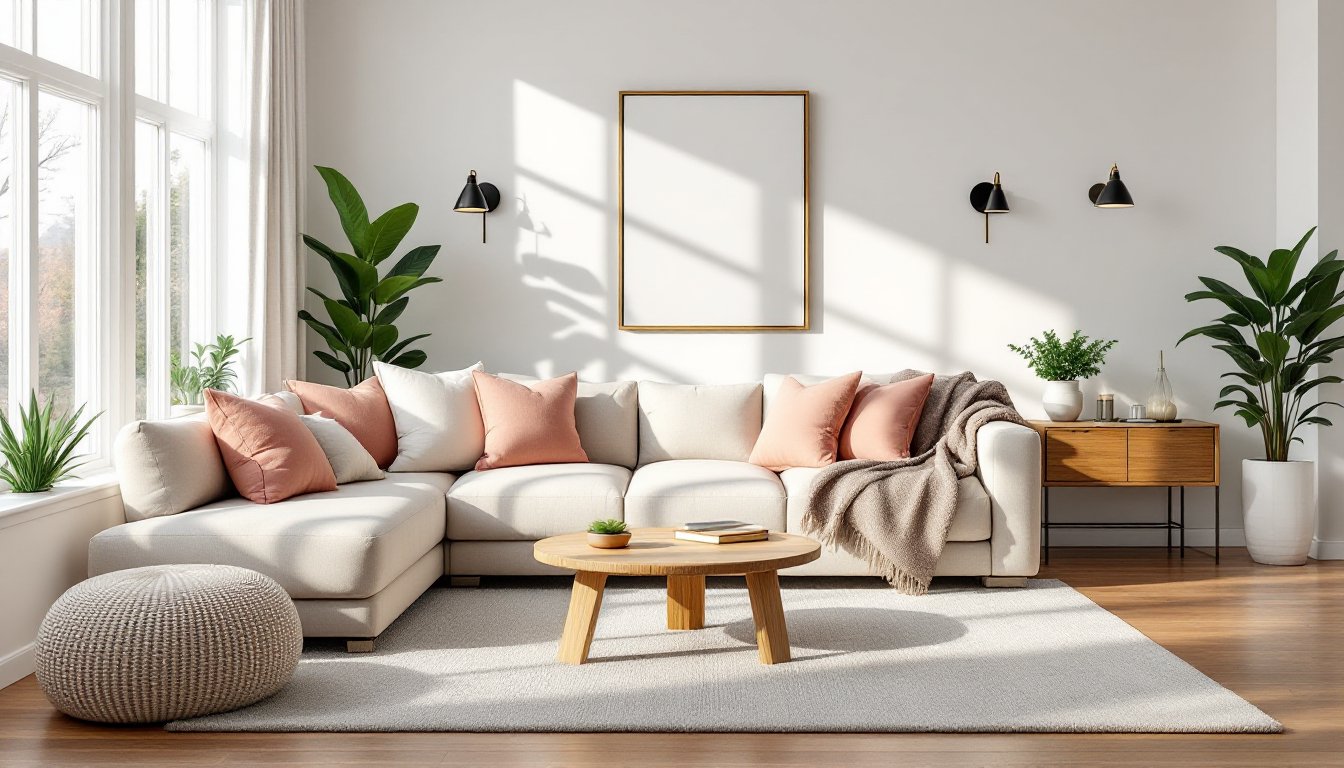
Home decorating isn’t just about making rooms look pretty, it’s about creating spaces that actually work for how you live. Whether you’re refreshing a single room or overhauling your entire home, the process starts with intention. The best decorating projects balance aesthetics with function, personal taste with practical constraints. This guide walks you through the essential steps to decorate your home with confidence, from understanding your style to executing the finishing touches. You’ll learn how to make smart choices about color, furniture, lighting, and budget so that every dollar spent and every hour invested pays off in a space you genuinely love living in.
Key Takeaways
- Effective home decorating starts with understanding your personal style and lifestyle needs rather than following trends, ensuring your space authentically reflects how you actually live.
- A cohesive color palette using a 60% neutral base with two accent colors and a pattern-breaking third color creates visual harmony and sets the emotional tone for each room.
- Layered lighting—combining ambient, task, and accent lighting—is one of the most underestimated tools in home decorating for creating depth and mood.
- Prioritize investment in anchor pieces like sofas and beds while sourcing affordable accessories from resale shops and thrift stores to maximize your decorating budget.
- Fresh paint, updated hardware, and new window treatments deliver the highest visual impact for the lowest cost in transforming any space.
- Mix textures and add finishing touches like plants, artwork, and textiles to create character and prevent rooms from feeling flat or incomplete.
Understanding Your Style and Setting Your Decorating Vision
Before you buy a single throw pillow, get clear on what you actually like. This is harder than it sounds because social media, showrooms, and other people’s taste can blur your own preferences.
Spend time gathering inspiration visually. Look at home decorating photos online, tear pages from magazines, or save pins to a board. Don’t worry about picking a cohesive style yet, just grab what catches your eye. After a week or two, patterns emerge. You’ll notice you’re drawn to warm or cool tones, minimalist or layered spaces, traditional or contemporary lines.
Consider your lifestyle. Are you a entertainer who needs open gathering spaces? Do you work from home and need a quiet, focused area? Have kids or pets that require durable finishes? Your decorating choices should support how you actually live, not fight against it.
If you’re working with a specific aesthetic, say, cozy cottage interior design for a lived-in feel or french interior design for timeless elegance, use that as your north star. Let it guide your decisions without becoming a costume. The goal is a home that feels authentically yours.
Color Psychology and Creating a Cohesive Palette
Color sets the emotional tone for every room. Warm colors (reds, oranges, yellows) energize and draw people in, great for kitchens and dining areas. Cool colors (blues, greens, purples) calm and create distance, perfect for bedrooms and home offices. Neutrals (grays, beiges, whites, blacks) serve as anchors and let you change accents without repainting.
When home decorating, start with a base neutral for walls (usually 60% of your room). Pick two accent colors using a color wheel, complementary colors sit opposite each other and create contrast: analogous colors sit next to each other and create harmony. Your third color breaks the pattern and adds visual interest.
Test paint samples on actual walls in different lighting (natural light, artificial light, morning, evening). Paint dries darker than it appears wet, and lighting changes color perception dramatically.
For kitchen decorating or room decorating, carry your palette across coordinated elements: cabinet paint, backsplash, hardware, and textiles. This doesn’t mean everything matches, it means colors speak to each other. The reference site Addicted 2 Decorating showcases how thoughtful color choices transform spaces without major construction.
Furniture Selection and Functional Layout Planning
Furniture is the skeleton of a room. Before buying anything, measure your space carefully: wall lengths, doorways, windows, and ceiling height. Sketch a to-scale floor plan on graph paper or use a free online tool. This prevents the heartbreak of ordering a sofa that doesn’t fit through the hallway.
Prioritize function first, beauty second. A room needs adequate seating, surface area for daily activities, and clear traffic flow. In a living room, ensure sight lines to a focal point (TV, fireplace, or view). In a bedroom, position the bed so you see the door. In a kitchen, the work triangle (sink, stove, refrigerator) should be efficient.
Choose furniture at appropriate scale. Oversized pieces overwhelm small rooms: delicate pieces look lost in large spaces. Stick with one dominant style per room, mixing too many styles reads as cluttered, not eclectic.
Consider material durability. Leather and microsuede clean easily and suit households with kids or pets. Natural fabrics like linen breathe better but stain more readily. Wood finishes range from easy-wipe matte to delicate high-gloss. Budget accordingly for longevity, not just initial cost.
Lighting, Textures, and Finishing Touches
Lighting is the most underestimated decorating tool. Layered lighting, ambient (overhead), task (desk lamp, under-cabinet), and accent (wall sconces, spotlights), creates depth and sets mood. Warm-toned bulbs (2700K color temperature) feel cozy: cool-toned bulbs (4000K+) feel crisp and energizing.
Texture prevents rooms from feeling flat. Mix smooth surfaces (glass, polished metal) with tactile ones (linen, wool, wood grain, stone). A sheepskin throw over a leather chair, a jute rug under a glass table, or a velvet cushion on a wood bench creates visual and tactile interest without adding color.
Layers build character. A paint color alone feels bare. Add textiles (curtains, rugs, cushions), hardware (knobs, hinges, light fixtures), wall art, plants, and functional objects (books, baskets, bowls). These finishing touches make a room feel lived-in and intentional.
For interior ceiling design, remember that ceilings are the fifth wall. Paint them a complementary color, add crown molding, or install a textured wallcovering to add dimension. Small finishing touches, a mirror to reflect light, artwork at eye level, fresh flowers, make the biggest difference in perceived quality.
Budget-Friendly Decorating Tips and DIY Solutions
Home decorating doesn’t require a blank check. Prioritize. Identify which elements matter most to you and allocate budget there. If you love cooking, invest in kitchen decorating: if you work from home, splurge on office comfort.
Buy anchor pieces new (quality sofa, bed, dining table) and source accessories from resale shops, thrift stores, or online marketplaces. Paint furniture instead of replacing it, a $20 nightstand and $15 in paint becomes a statement piece. DIY art and framing cost a fraction of gallery prices.
Start with what you have. Rearrange existing furniture to refresh the layout. Wash or dye old textiles. Paint hardware to match a new palette. Swap out light bulbs for ones with different color temperatures. These moves cost nothing and often reveal what’s truly missing.
Focus on high-impact, low-cost changes: fresh paint, new hardware, updated window treatments, and plants. A gallon of quality paint costs $40–60 and transforms a room visually. According to Better Homes & Gardens, the most impactful home improvement projects balance cost, difficulty, and visual payoff, and paint consistently wins on that scale.
Wait before splurging on trendy pieces. If a design element excites you, live with the idea for a week. If it still appeals, commit. This prevents decorating regret and keeps your space feeling fresh longer.
Room-by-Room Decorating Approaches
Different rooms have different demands. A living room should welcome gathering and conversation: arrange seating in conversation clusters rather than theater-style. Use coastal interior design principles, light, airy tones and natural textures, if you want a relaxed vibe.
Bedrooms are personal retreats. Avoid overstimulating color. Choose calming tones and soft textures. Prioritize a quality mattress and bedding: you spend a third of your life here. Minimize screens and clutter. Add layers: a duvet, throw blanket, decorative pillows.
Kitchen decorating balances function with aesthetics. Open shelving requires dishware you’re proud to display: closed storage hides clutter. Backsplash tile, cabinet paint, and hardware are quick updates with high visual impact. Ensure adequate task lighting near work surfaces.
For dining areas, a statement light fixture draws the eye upward. Layer a runner rug under the table. A sideboard or buffet adds storage and displays dishware or table settings.
Home offices need comfort and minimal distraction. Position your desk to face the door if possible. Invest in ergonomic seating. Use wall-mounted shelving to save floor space. Log home interior design often works beautifully in offices, combining natural wood with focused workspaces. Color-code storage and use plants to soften hard edges.
Bringing Your Decorated Home to Life
Execution is where most DIY home decorating projects stumble. Start with prep: measure twice, protect flooring and furniture from paint drips, and gather all materials before beginning.
Paint walls before arranging furniture. Use primer on bold colors or stained surfaces. Apply two coats with quality brushes, cheap brushes shed bristles and leave streaks. Let paint cure fully before moving furniture back (typically 24 hours for latex, longer for oil-based).
Hang art and mirrors at eye level (57–60 inches from floor to center) after walls are complete. Use a level and painter’s tape to mark placement before driving nails. Group smaller pieces on a grid or salon-style wall for visual impact.
Arrange furniture to define zones. In open-plan spaces, use a rug to anchor a living area, create a conversation grouping, and leave clear traffic paths. Step back frequently to check proportions and sight lines.
With mexican interior design or any bold aesthetic, introduce color and pattern gradually. Add textiles (pillows, blankets, rugs), swap out hardware, and layer accessories. This phased approach lets you course-correct before committing to permanent changes like paint or cabinetry.
Finally, revisit your space weekly for the first month. Notice what works and what doesn’t. Small adjustments, moving a lamp, rehanging a piece of art, swapping throw pillow positions, make a difference. Trust your eye and adjust without guilt.