Transform Your Living Space: Modern Decor Ideas for Every Style in 2026
Your living room is the heart of your home, where family gathers, guests settle in, and you decompress after a long day. Yet many homeowners struggle to turn a blank or dated space into something that feels intentional and inviting. The good news: refreshing your living area decor doesn’t require a total gut renovation or a designer’s budget. With the right approach to color, light, furnishings, and accessories, you can transform your living space into a room that reflects your personality while actually functioning for how you live. This guide walks you through practical, actionable decor ideas that work across styles and room sizes.
Key Takeaways
- Create a cohesive color palette using the 60-30-10 rule: 60% dominant color, 30% secondary, and 10% accent for mood-setting living area decor ideas that feel intentional.
- Maximize natural light by cleaning windows, layering sheer and heavy curtains, positioning mirrors opposite windows, and using reflective surfaces to make your space feel larger and more open.
- Layer textures through rugs, throw pillows, natural materials, and varied fabrics—mixing matte and shiny finishes—to create sophistication and prevent a flat, sterile aesthetic.
- Arrange furniture to encourage conversation with seating facing each other, maintain 18-inch walkways, and use multi-functional pieces that balance style with how you actually live.
- Add statement artwork like large paintings or gallery walls at eye level, incorporate plants and natural wood elements, and edit regularly to keep lounge decor ideas fresh without clutter.
Choose a Cohesive Color Palette
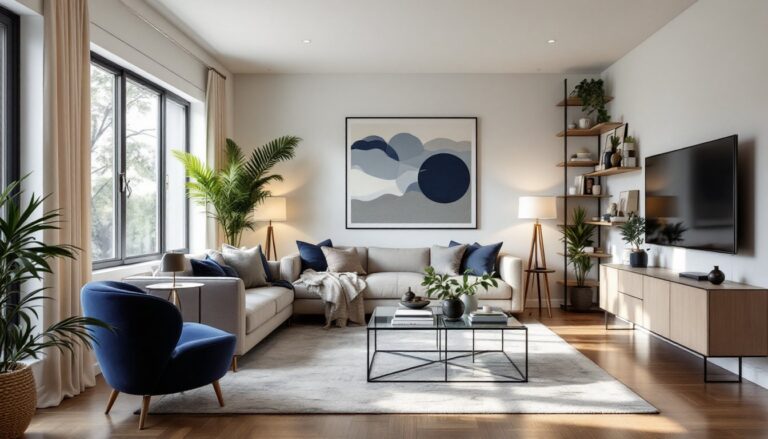
Your color palette sets the mood before anything else enters the room. The temptation is to pick five colors you love and mix them all in, but restraint wins here. A solid starting point: choose one dominant color (60% of the room), a secondary color (30%), and an accent color for pops of interest (10%). The dominant color typically anchors your walls or largest furniture piece. If you want calming vibes, neutrals like warm grays, soft taupes, or off-whites give breathing room and let other elements shine. If you prefer bolder energy, consider a muted jewel tone, emerald, navy, or warm terracotta, as your base. Your secondary color should complement without fighting. A creamy off-white pairs well with navy: soft gray works with warm sage. The accent color is where personality lives: a throw pillow in rust, artwork with pops of gold, or a side table in a vibrant hue. Before committing to a gallon of paint, grab sample pots and paint large patches on your walls. Watch how light hits them at different times of day, what looks perfect at noon might feel different at dusk. Let samples live for a few days so you’re not making a decision in one viewing.
Maximize Natural Light and Window Treatments
Natural light transforms a room’s entire feel. It highlights texture, brings colors to life, and makes spaces feel larger and more open. If your living area lacks great windows, you’ll want to maximize whatever you have. First, clean your windows thoroughly, dust and grime block surprising amounts of light. Then assess your current window treatments. Heavy drapes eat light: sheer layers allow it through while providing privacy when needed. A layered approach works best: hang sheer curtains close to the glass for daytime privacy, then add heavier drapes or Roman shades you can draw at night. Mount rods close to the ceiling and extend them beyond the window frame to make windows appear larger and let more light flood in. If privacy isn’t a concern, consider leaving windows bare or using minimal frosted film on lower panes. Reflective surfaces amplify natural light. Position a mirror opposite a window to bounce light deeper into the room. Polished metal accents, light-colored walls, and glossy finishes all help. If your room gets harsh afternoon sun, install lightweight roller shades with UV-blocking properties to prevent fading without blocking all the light.
Layer Textures and Fabrics for Depth
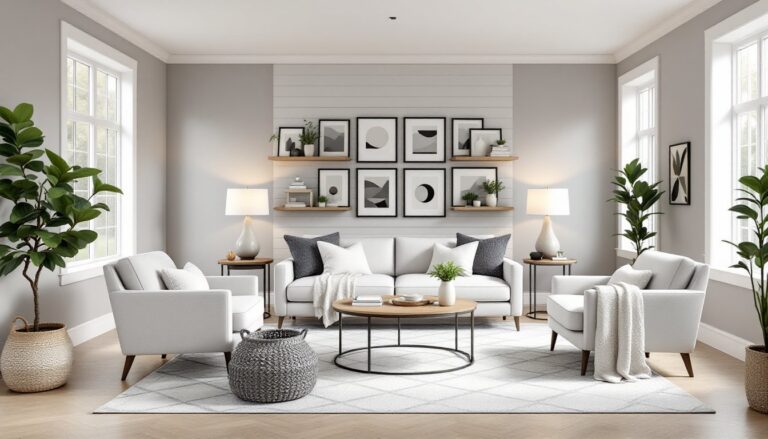
A room that’s all smooth surfaces feels flat and sterile. Texture is what makes a space feel sophisticated and lived-in. Start with your foundation: if you have hardwood, layer a rug to define the seating area and add warmth underfoot. Natural fiber rugs (jute, sisal, wool) are durable and age beautifully. Wool especially hides dirt and wears well in high-traffic areas. Top that with layered fabric choices. Your main sofa might be a durable performance fabric like microfiber or linen blend, but add throw pillows in linen, velvet, knit, or patterned weaves. Mix matte and slightly shiny finishes. A chunky knit throw over the arm of a sofa contrasts nicely with smooth linen pillows. Incorporate natural materials: exposed wood shelving, a stone fireplace surround, or live-edge floating shelves add organic warmth. Textured wall treatments matter too, grasscloth, shiplap, or even a textured paint finish adds dimension without overwhelming a room. Don’t shy away from mixing patterns either. A geometric throw can sit beside a botanical pillow if they share a color story. The key is repetition: use the same three to four colors across textures so everything reads as intentional rather than chaotic.
Incorporate Functional Furniture Arrangements
Beautiful decor means nothing if you can’t comfortably sit down. Start by measuring your room and sketching furniture placement before buying or moving anything. Arrange seating to encourage conversation, sofas and chairs facing each other or angled toward a focal point (fireplace, TV, view) beat the setup where everyone stares at a wall. Leave at least 18 inches of walkway around furniture so the space doesn’t feel cramped. A console table behind a sofa or a narrow bookshelf doesn’t eat much floor space but provides storage and visual interest. Furniture scale matters. An oversized sectional swallows a small living room: a petite armchair feels lost in a large one. Match proportions to the room. Floating furniture away from walls actually makes small spaces feel larger because it defines zones and opens sightlines. Consider modular or multi-functional pieces: ottomans with hidden storage, coffee tables with shelves, or nesting tables that tuck away when not needed. Living room furnishing ideas should always balance aesthetics with how you actually use the space. If you have kids or pets, durable, washable fabrics beat delicate silks. A sturdy, low-profile media console hides electronics while keeping the room from feeling tech-centric. Layering functional pieces, a small side table for drinks, a throw blanket rack, floating shelves for books, creates lounge room decor ideas that work harder than just looking good.
Add Statement Decor and Artwork
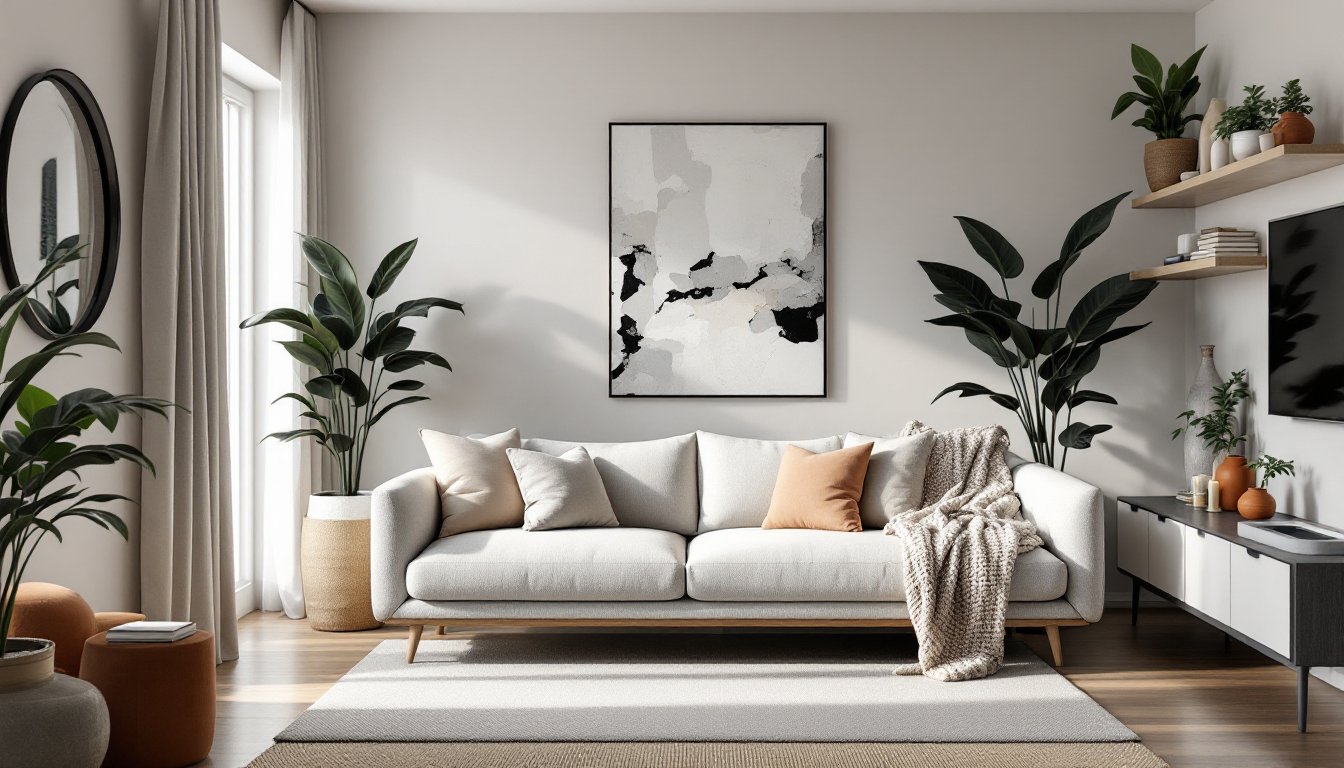
Wall art anchors a room and tells your story. Rather than filling every wall with small frames, choose one strong focal point, a large painting, a gallery wall with a unifying frame color, or an oversized mirror. A 3-by-4 foot or larger piece makes a real impact: anything smaller can feel like an afterthought. When arranging gallery walls, lay frames on the floor first to nail spacing before drilling. Center the grouping on your sofa or at eye level (57 inches from floor to center is a good standard). Artwork doesn’t mean expensive originals: quality prints or photography matter more than price tag. Choose imagery that resonates: landscapes, abstract, family photos, or typography. Avoid busy patterns that fight with your fabric and rugs. Statement pieces do real work in lounge decor ideas. A sculptural side table, an unusual floor lamp, or a bold accent chair draws the eye and prevents cookie-cutter blandness. Keep other pieces restrained if your statement piece is loud. A vibrant patterned armchair pairs well with neutral walls and simple accessories. Accessorize thoughtfully: books stacked on tables, a woven basket for throws, candles, or a single sculptural object beat scattered clutter. Grouping similar items (three candles, five books, a collection of small plants) looks intentional. Less is usually more in living area decor ideas: edit regularly and swap out seasonal accents to keep the space fresh without major changes.
Bring Life In With Plants and Natural Elements
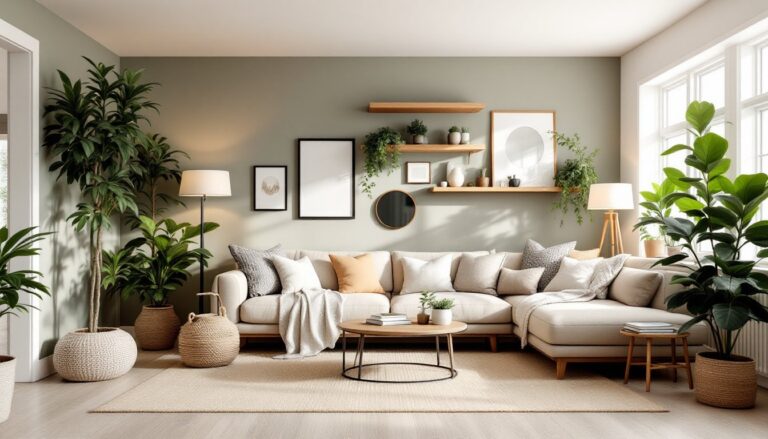
Plants soften corners, improve air quality, and inject color without clashing with your palette. You don’t need a green thumb, many low-maintenance varieties thrive in living rooms. Pothos, snake plants, and ZZ plants handle low to medium light and irregular watering. Fiddle leaf figs and monstera look dramatic in bright corners. Group plants of varying heights on floating shelves or console tables rather than scattering singles around the room. Consistent pots (even if plants differ) look more intentional than mismatched containers. Terracotta, ceramic, or woven baskets all work depending on your style. Living wood elements ground a space. A wooden beam across the ceiling, exposed shelving, or a reclaimed wood accent wall adds warmth that painted surfaces can’t match. Stone, whether a fireplace surround, a slate coffee table, or decorative rocks in a vase, adds earthy texture. Water features like a simple tabletop fountain or a framed water scene photograph introduce movement and calm. The combination of plant greens, natural wood, and earth tones creates a cohesive, restful environment that trends from smart design for compact spaces to sprawling homes. If you travel or forget to water, faux plants have improved dramatically, look for quality silicone versions rather than plastic-looking imposters. Displayed in the right pots and grouped with real elements, they function well in living areas where natural light is limited or care isn’t feasible. The goal is a space that feels alive and connected to the natural world, not sterile or overly designed.
Conclusion
Transforming your living space into a well-designed, functional room is achievable without hiring a designer or overhauling everything at once. Start with one strong decision, your color palette or a key furniture piece, and build around it. Layer textures, maximize light, and choose artwork and accessories that reflect who you live. Whether you’re working with a small apartment or a larger home, these principles scale up or down. Move slowly, edit often, and don’t be afraid to try something and change it. Your living room should make you want to settle in, not stress out about perfection.