Transform Your Lounge Into a Stylish Retreat: 7 Decor Ideas for Every Budget in 2026
Your lounge is the heart of home living, where you unwind after a long day, host friends, or simply settle in with a book. Yet many homeowners treat this space like an afterthought, defaulting to whatever furniture happens to fit. The good news: small, intentional choices can transform a bland lounge into a retreat you actually want to spend time in. Whether you’re working with a modest budget or ready to invest, ideas for lounge decor don’t have to be complicated or expensive. This guide covers seven practical decor strategies to refresh your living area decor, from smart furniture placement to layered textures and functional storage, all designed to work with real homes and real budgets.
Key Takeaways
- Smart furniture arrangement and layout focused on traffic flow and focal points transforms lounge decor without requiring new purchases—start with a simple floor plan to prevent costly mistakes.
- Layered lighting combining statement fixtures, floor lamps, and accent lighting creates mood and visual interest while warm white bulbs (2700K) enhance relaxation and comfort.
- Ideas for lounge decor thrive on textile layering with rugs, throw pillows, and blankets that add warmth and texture while an area rug extending 18 inches beyond seating anchors the space.
- Accent walls in bold jewel tones and strategic mirrors amplify light and space visually, while plants and gallery walls add personality without overwhelming the room.
- Smart storage solutions like ottomans with hidden compartments and functional side tables keep clutter manageable while maintaining a welcoming, intentional lounge atmosphere.
Furniture Arrangement and Layout
The foundation of any successful lounge starts with how you arrange the pieces you already own. Before buying anything new, evaluate your room’s traffic flow and natural focal points. Is there a window with decent light? A fireplace? A TV? Your seating should orient toward that anchor, not float awkwardly in the middle of the room.
Start by measuring your space, length, width, doorways, and any fixed elements like built-ins or radiators. Sketch it out on graph paper or use a simple floor-plan app: this takes 15 minutes and prevents costly mistakes. A professional’s approach to smart furniture layout emphasizes conversation zones: position seating so people can actually talk without craning their necks.
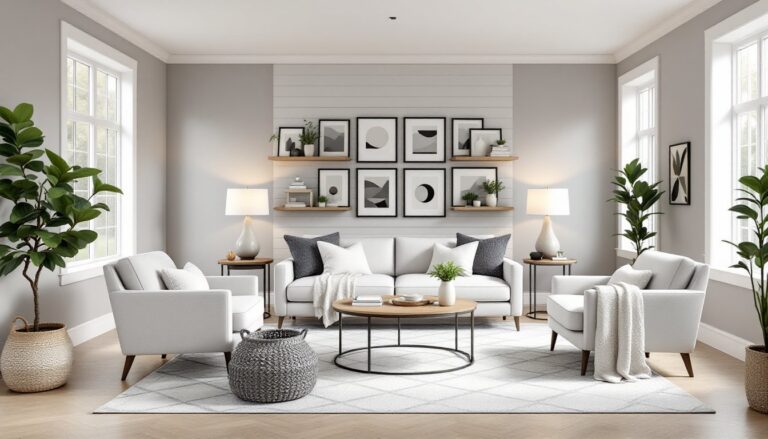
For smaller lounges, a single sofa facing a focal point with a pair of armchairs angled toward each other creates intimacy without clutter. Larger rooms can accommodate an L-shaped sectional plus a statement chair and ottoman. Keep at least 18 inches of walking space around key furniture pieces, this feels less cramped and makes cleaning easier. If your lounge doubles as a workspace or craft area, define zones with an area rug rather than scattering everything about. This visual separation helps your brain switch gears between relaxation and productivity.
Create a Focal Point With Statement Lighting
Lighting does more work than most homeowners realize. It sets the mood, highlights your best features, and makes the whole space feel intentional. A single overhead fixture rarely cuts it: layered lighting, ambient, task, and accent, gives you flexibility and visual interest.
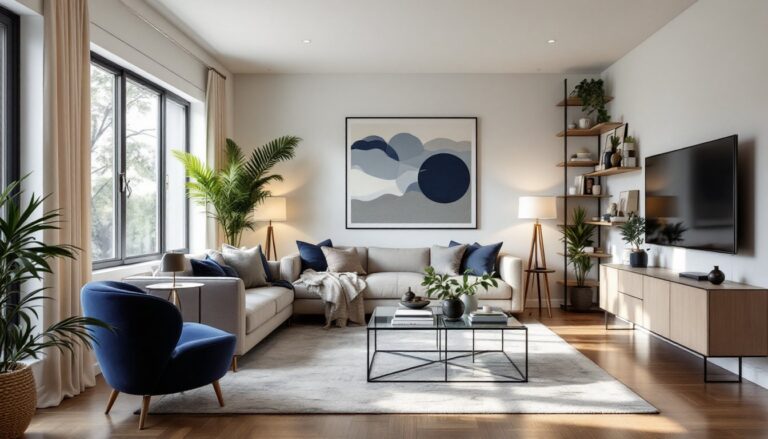
Consider a statement pendant or chandelier as your anchor light. This doesn’t mean expensive: modern brass or ceramic fixtures under $150 can look polished and create drama above a seating area or console table. Pair it with floor lamps in the corners (a tripod style offers industrial charm: a arc lamp reaches over a sofa without taking up table space) and a small table lamp for reading. This three-tier approach means you’re never squinting in the dark or blinded by a single bright source.
Don’t overlook accent lighting. Wall-mounted sconces flanking a mirror or artwork add sophistication and actually perform: they’re practical for evening hours when you want softer, directional light. String lights or a neon sign (if that fits your vibe) work too, they’re inexpensive, removable, and inject personality. For all bulb choices, opt for warm white (2700K color temperature) in living spaces: it’s more relaxing than cool white and flatters skin tones and furnishings.
Color Palettes and Wall Treatments
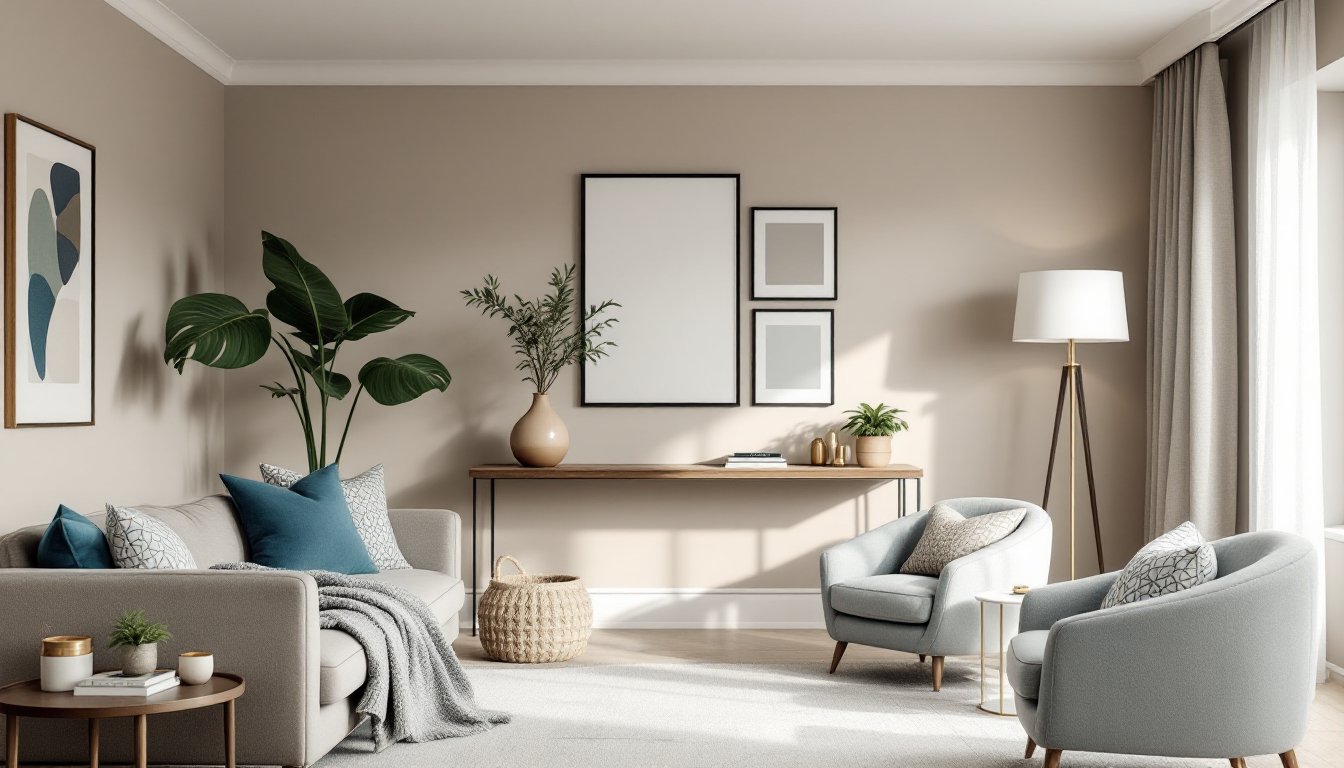
Color sets the emotional tone of your lounge. A bold jewel tone, emerald, sapphire, or terracotta, feels luxurious on one accent wall without overwhelming the whole room. Neutral base colors (warm grays, soft whites, or warm beiges) on the remaining walls let that feature wall breathe and give you flexibility to swap out accessories.
If you’re nervous about committing to dark paint, start with removable wallpaper or a large tapestry: both achieve impact without permanence. Paint prep matters: fill holes, sand glossy surfaces, and prime any stains or darker old colors before your final coat. One gallon typically covers 350–400 square feet, so measure before buying. Matte or eggshell finishes hide imperfections better than gloss, though they’re slightly less wipeable.
For living room furnishing ideas that anchor the room, pull your color scheme from a rug, artwork, or even a throw pillow you love. This ensures cohesion and takes pressure off choosing colors from scratch. If you prefer keeping walls neutral, a moody accent wall in your lounge acts like a built-in feature and costs far less than replacing furniture. Test paint samples on your wall and observe them in natural and artificial light over 24 hours, what looks good at the store can surprise you at home.
Textiles, Rugs, and Comfort Layers
Textiles transform a room from sparse to inviting. A lounge area decor thrives on layering: soft blankets draped over the sofa, patterned throw pillows in varied sizes (aim for an odd number, three or five per seating area), and a rug that anchors the furniture grouping.
Rug placement matters more than people think. In a lounge, the rug should extend at least 18 inches beyond your seating pieces on all sides: if you can’t fit a large rug, a smaller one under the coffee table with seating edges on it still grounds the space visually. Natural fiber rugs (jute, sisal, wool) are durable and affordable: add a plush layered rug on top if you prefer softness underfoot. Measure your space before ordering, undersizing a rug makes the room feel cramped.
For pillows and blankets, mix textures: linen, cotton, wool, velvet. A solid-colored sofa pairs well with patterned pillows: patterned upholstery keeps pillows simple. Throw blankets aren’t just cozy, they add color and texture while hiding wear. Machine-washable options keep maintenance realistic. Curtains or drapes add softness and control light: even lightweight linen panels soften harsh windows and create layered visual interest without blocking natural light entirely.
Accessorize With Plants and Wall Décor
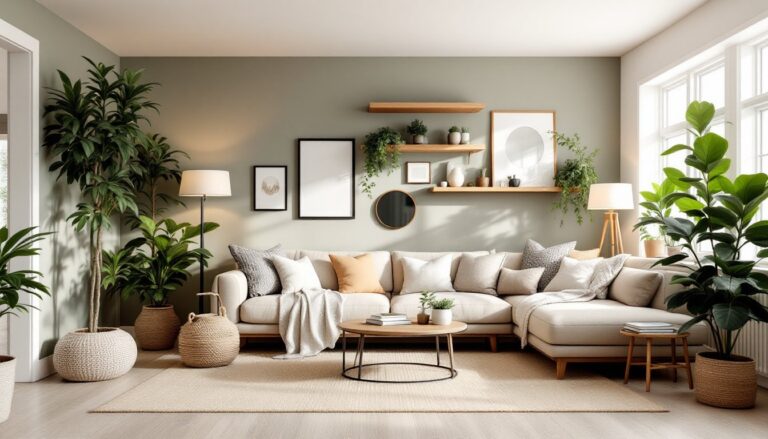
Plants soften hard lines, improve air quality, and instantly make a lounge feel alive. You don’t need a green thumb: pothos, snake plants, and rubber trees thrive in low to medium light and tolerate irregular watering. Large-leafed plants create visual impact: cluster smaller ones on a shelf for a composed, curated look.
Wall décor deserves intention. A gallery wall of framed prints (mix frame styles and mat colors for personality), a single large statement piece, or a collection of woven baskets and mirrors adds dimension without clutter. Arrange items to an odd number and at eye level, roughly 57 inches from floor to center, for proper proportion. If rearranging later, use painter’s tape to sketch positions on the wall first, this saves the drywall from unnecessary holes.
Mirrors do double duty: they reflect light (making smaller lounges feel bigger and brighter) and visually expand the space. A large statement mirror leans against a wall or hangs as a focal point above a console. Smaller mirrors scattered among artwork break up monotony. Art and mirrors shouldn’t compete: if your statement lighting already commands attention, keep wall décor simpler. Resources like Homedit offer diverse design inspiration for styling your walls without overthinking it.
Smart Storage and Functional Pieces
A beautiful lounge stops feeling welcoming when clutter creeps in. Built-in storage, shelving, cabinets, or a media console, keeps items accessible while visually tidy. Open shelving works if items are styled: closed cabinetry hides the mess but requires good organizational systems inside (bins, baskets, labels).
Ottomans with hidden storage are MVPs in smaller lounges: they serve as footrests, extra seating, a surface for drinks, and a catch-all for blankets or magazines inside. Side tables with lower shelves or drawers stash remotes, books, or craft supplies. Even a decorative ladder leaning against a wall holds throw blankets while adding visual interest and saving floor space.
Keep frequently used items in easy reach, remote controls, reading glasses, phone chargers, and store seasonal decor elsewhere. A lounge that functions well becomes a lounge you actually use and enjoy. Consider a luxury hookah lounge design for a home retreat if you’re looking to create a specialized relaxation zone: the design principles around comfort, seating, and ambiance apply to any lounge renovation. Modern design websites like Dwell showcase functional and beautiful home layouts that prove style and practicality aren’t mutually exclusive.
Conclusion
Transforming your lounge into a stylish retreat doesn’t require starting from scratch or emptying your wallet. Start with one strategy, better furniture arrangement, layered lighting, or a fresh paint color, and build from there. Your living room furnishing ideas should reflect how you actually live: a functional layout that invites conversation, comfortable textiles you’ll use, and storage that keeps things orderly. Small decisions compound: a statement light paired with a well-arranged seating area and layered textiles creates impact far beyond the cost. Take your time, measure twice, and enjoy the process of making your lounge feel like home.