BS Interior Design: Debunking 7 Myths That Are Wasting Your Money in 2026
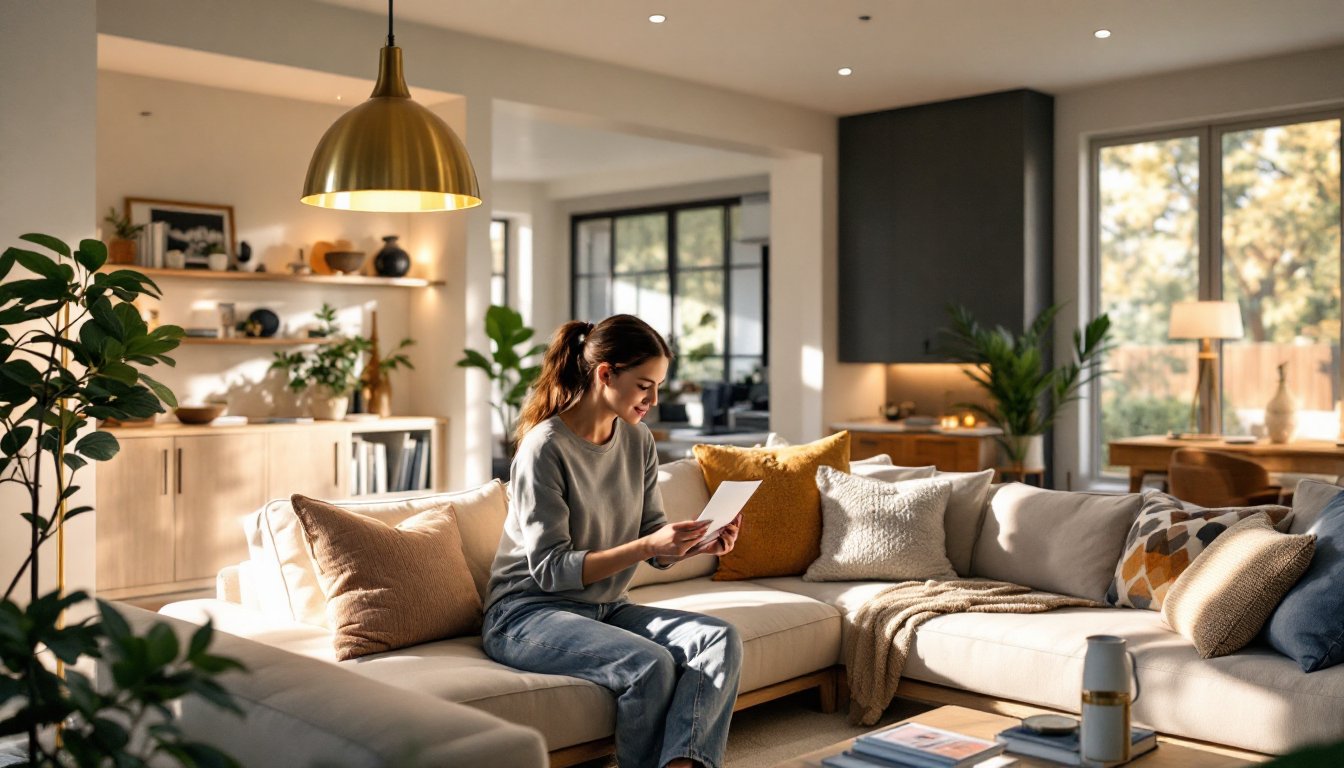
Interior design advice is everywhere, Pinterest boards, Instagram reels, designer blogs, and half-remembered tips from home shows. But here’s the reality: much of it is pure BS. Homeowners spend thousands following trends that don’t match their space, buying furniture that falls apart in two years, or hiring designers to repeat what they could’ve figured out themselves. BS interior design doesn’t mean the advice is intentionally malicious: it’s often just outdated, impractical, or wrapped in so much marketing hype that the actual substance gets buried. This guide cuts through the noise and shows you which common interior design myths are costing you money, and which smart decisions actually deliver.
Key Takeaways
- BS interior design often prioritizes trendy aesthetics over functionality, costing homeowners money on pieces that don’t fit their actual lifestyle or space needs.
- You don’t need an expensive professional designer to create a beautiful home—learning basic principles like proportion, balance, and lighting delivers comparable results at a fraction of the cost.
- Higher price doesn’t guarantee better quality furniture; inspect construction details like wood type and joinery methods rather than assuming expensive pieces will outlast budget alternatives.
- Invest in lighting as your highest-impact design decision, as proper lighting transforms a space more dramatically than furniture swaps and prevents buyer’s remorse on paint and materials.
- Red flags for bad interior design advice include ignoring your specific situation, presenting rules without context, and using urgency-driven language like ‘must-have’ or ‘everyone’s doing it.’
- Build your style incrementally by keeping what works, testing decisions before major purchases, and choosing timeless furniture frames over trendy finishes that age quickly.
What Is BS Interior Design and Why It Matters to Your Home
BS interior design is advice that sounds good but either doesn’t work in real homes or comes with hidden costs. It’s the “transform your space with one accent wall” tip that ignores your room’s actual light, the “all-white interiors are timeless” rule that contradicts your family’s lifestyle, or the expensive designer furniture recommendation with zero durability ratings.
Why does this matter? Because your home isn’t a magazine spread, it’s where you eat, sleep, and live. A mistake here costs real money and real frustration. When you buy based on BS trends rather than function, you end up replacing pieces, repainting walls, and wondering why your space never feels “right.” The better approach is recognizing which advice is actually grounded in practicality, material science, and your specific needs, rather than chasing aesthetics for their own sake.
The stakes get higher when BS design choices lead to structural problems, safety oversights, or projects that require costly redo work. Knowing how to spot empty promises separates smart homeowners from those who keep rearranging furniture hoping it’ll help.
The Biggest Interior Design Myths That Drain Your Budget
Myth 1: You Need a Professional Designer to Make Your Space Look Good
This myth is perpetuated by the design industry itself, but the truth is simpler: most functional, beautiful spaces follow basic principles that you can learn and apply. Proportion, balance, and lighting matter more than who’s in the room when decisions get made.
That said, there’s a real difference between “hiring a designer for every detail” and “knowing when a consultation makes sense.” A designer’s value isn’t that they magically transform a space, it’s that they save you money by preventing expensive mistakes. If you’re tackling a full-room renovation or dealing with complex spatial challenges, a few consultation hours might be worth $200–500. But many homeowners achieve polished results by reading a few solid guides, understanding color theory basics, and measuring twice before buying.
Start with what you know: how you actually use the room, what lighting exists, and what’s currently driving you crazy. Then layer in foundational knowledge rather than handing over total creative control. Top interior design apps for iPad let you visualize changes before spending a dime, which is often smarter than starting with a designer.
Myth 2: Expensive Furniture Always Equals Better Quality
Price and durability are not the same thing. Some high-end furniture is built to last: some is priced for its designer label alone. Meanwhile, mid-range brands often deliver better construction than luxury pieces optimized for Instagram aesthetics.
Check actual durability: wood type (solid hardwood vs. plywood vs. particle board), joinery methods (dowels and mortise-and-tenon joints beat staples), and upholstery materials. A $3,000 sofa with sinuous springs and 8-way hand-tied construction will outlast a $6,000 piece with compressed fiber and metal staples. Read owner reviews and look for warranty terms, they often hint at manufacturer confidence.
The smarter play: spend more on pieces you use constantly (beds, sofas, dining chairs) and save on items you can replace easily (accent tables, decor, throw pillows). This balanced approach costs less overall and lets you refresh accents without overhauling the room. Many homeowners waste money by doing the opposite, splurging on decorative pieces and then regretting a cheap, sagging sofa for the next decade.
How to Spot BS Interior Design Advice Before You Invest
Red flags appear when advice ignores your specific situation. If someone recommends a design without asking about light, traffic patterns, or how you use the space, that’s a sign they’re selling a look rather than solving a problem. Real interior design is functional first: aesthetics follow.
Beware of “rules” presented without context. “Dark colors make rooms smaller” is true in poorly lit spaces but completely false with good artificial light. “Maximize your space with vertical storage” makes sense in a 600-square-foot apartment but adds visual clutter in a sprawling farmhouse. Context always matters, and BS advice strips it out.
Also watch for language designed to make you feel behind: “outdated,” “must-have,” “everyone’s doing.” These phrases create artificial urgency and FOMO. The fact that something was trending on social media last month doesn’t mean it suits your home or your budget. Mastering interior design presentation boards teaches you to think critically about how spaces are actually put together, rather than accepting surface-level recommendations.
Final test: Can someone explain why they’re recommending something, or do they just say “it looks good”? Real advice comes with reasoning tied to function, durability, or your specific goals. If you get vague enthusiasm instead, move on.
Smart Interior Design Decisions That Actually Deliver Results
Start with what stays. Before chasing new trends, honestly assess which pieces you love and which you tolerate. Keep the stuff that works, that sofa you actually sit on, the bookshelf that fits your lifestyle, the color that makes you happy when you see it. This grounds your decisions in reality rather than Instagram aesthetics.
Invest in lighting. This is the single highest-impact, lowest-BS decision you can make. Most homes are under-lit, and adding warm-toned overhead lights, table lamps, and accent lighting transforms a space more than any furniture swap. Proper lighting also reveals paint colors and materials as they’re actually meant to look, which prevents buyer’s remorse.
Measure, plan, and test before buying. Use painter’s tape on the floor to mock up furniture placement. Get paint samples and live with them for three days in different lighting. If you’re buying a large piece, check return policies and delivery costs. This simple prep work prevents 80% of interior design regrets.
Choose timeless bones over trendy finishes. Your sofa frame, joinery, and overall structure should feel solid for 10 years. Trends live in throw pillows, paint colors, and decor, things you can swap affordably. Sites like MyDomaine and Home Bunch showcase homes that work because they balance classic structure with flexible accents. Reversing this, trendy bones, static decor, ages your space fast.
Build your style incrementally. Buying a room at once feels decisive but often leads to mistakes because you’re not living in the space yet. Add pieces over time, test how they feel, and adjust. This approach also spreads costs and lets you invest in quality without overextending. Interior design archives have countless examples of how pacing purchases leads to more cohesive, considered spaces than rush decisions.
Don’t chase styles that don’t fit your life. Yes, minimalism looks clean and photogenic. But if you have kids, hobbies, books, or collections, forcing a sparse aesthetic creates constant friction. The best interior design works with your lifestyle, not against it. Your space should look good and feel functional, not require daily curation to stay Instagram-ready.
Conclusion
BS interior design persists because it’s simpler to sell trends than to solve real problems. But you don’t need a designer, unlimited budget, or perfect aesthetic taste to create a home that works and looks good. You need honesty about your needs, patience with the process, and enough skepticism to question advice that doesn’t fit your situation. Start there, and you’ll spend less money and live happily in a space that’s actually yours.