
Transform Your Vehicle’s Interior: A Complete Design & Styling Guide for 2026
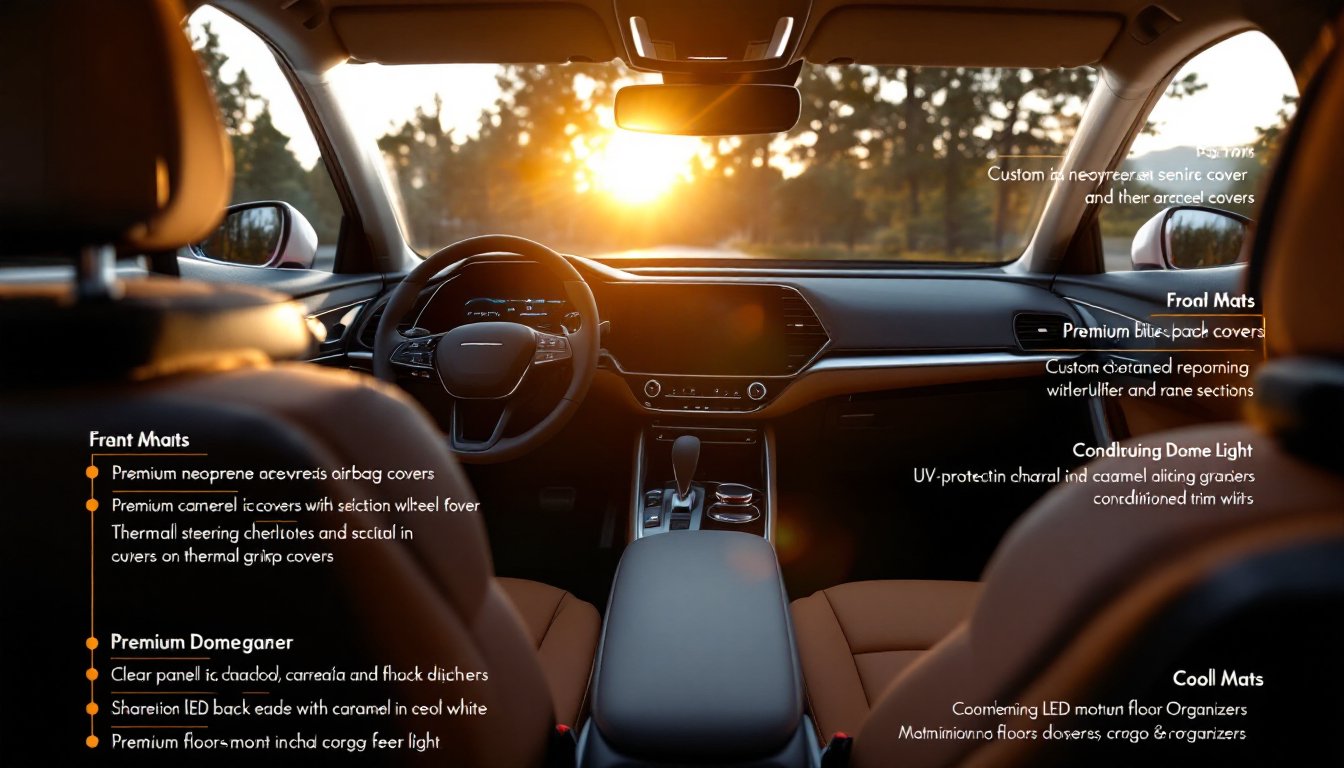
Your car is more than just transportation, it’s a personal space you spend considerable time in, whether commuting, running errands, or taking road trips. Yet many people overlook the potential to make their vehicle’s interior genuinely appealing and functional. Car interior design isn’t reserved for luxury manufacturers: with thoughtful planning and practical upgrades, any vehicle owner can create a cohesive, stylish cabin that reflects their personality while improving comfort and usability. This guide walks through everything from color coordination to storage solutions, helping you reimagine your car’s interior.
Key Takeaways
- Car interior design prioritizes balance, functionality, and durability—choose colors and materials that respect your vehicle’s constraints while reflecting your personal style.
- Create a cohesive color palette by anchoring to factory elements like your dashboard and seats, then add 1–2 coordinating accents through seat covers, mats, and trim pieces.
- Quality upholstery upgrades like neoprene, leatherette, or marine-grade fabrics resist stains and sun damage better than budget alternatives, saving money long-term.
- Modern LED ambient lighting and practical upgrades (charging ports, organizers, reading lights) enhance both mood and functionality without requiring complex electrical work.
- Smart storage solutions and regular maintenance—weekly vacuuming, UV protection, and prompt spill cleanup—preserve your car’s interior design investment and keep the cabin organized.
- Start small with affordable, high-impact upgrades like floor mats and steering wheel covers before committing to major upholstery changes to test your design vision.
Understanding Car Interior Design Principles
Car interiors operate under constraints that home spaces don’t face: limited square footage, exposure to temperature swings, and physical movement from passengers. Good car interior design respects these realities.
Start with balance. In a vehicle, balance means distributing visual weight, lighter colors or minimalist accents up front, richer textures or storage solutions toward the rear. Avoid clustering all dark elements on one side or loading heavy accessories into a single zone.
Functionality always comes first. A stunning dashboard organizer that blocks your view of controls or a flashy steering wheel cover that reduces grip serves no one. Before you buy anything decorative, ask whether it improves usability, safety, or comfort. Will it interfere with climate controls, visibility, or emergency equipment? Does it create trip hazards?
Consider scale and proportion. A blanket that works beautifully across a bedroom sofa overwhelms a car’s back seat. Measure your spaces before shopping. A 60-inch bench or dash pad might seem spacious in a store but feels cramped once installed.
Last, think about durability. Materials must withstand UV exposure, temperature fluctuations (from 20°F winter to 160°F summer in the cabin), and frequent handling. Cheap fabrics fade quickly, and glues fail in heat. Investing in automotive-grade upholstery, trim, and accessories saves money and frustration over time.
Creating A Cohesive Color Palette For Your Vehicle
Your car’s color scheme should tie the cabin together visually while accounting for factory materials you likely won’t replace, the dashboard, steering wheel, and carpet.
Start by identifying your anchor colors: the existing dash color, seat material, and carpeting. If your factory interior is gray or black, you have flexibility. If it’s tan or navy, your accent choices should complement rather than clash.
Choose a primary palette (2–3 main colors). Neutral bases, charcoal, gray, beige, or black, work in most cabins and age well. Add one or two accents through seat covers, floor mats, steering wheel covers, and trim pieces. Many successful combinations include one neutral, one warm tone (caramel, rust, warm gray), and one cool accent (navy, charcoal, or forest green).
Test materials before committing. Fabric swatches under car lighting differ from showroom viewing. Bring samples into your vehicle in daylight and evening to see how they interact with the cabin’s existing colors and upholstery.
Remember that interior design apps and online resources can help visualize combinations. Top interior design apps often include color-matching tools that simulate how hues will appear in different lighting, useful for planning car palettes too.
Darker colors (navy, charcoal, black) hide dust and stains better but absorb heat: lighter tones (cream, light gray, tan) stay cooler but show dirt more readily. Choose based on your climate and tolerance for frequent cleaning. Avoid pure white or very pale colors: they’re impractical for high-traffic areas like the driver’s seat or floor mats.
Upgrading Upholstery And Seat Covers For Style And Comfort
Seat covers and upholstery changes are among the most visible upgrades you can make. Quality matters here because covers take constant wear.
Neoprene and marine-grade fabrics are durable and stain-resistant, handling spills and sun exposure better than cotton. Leatherette (faux leather) offers a premium look and wipes clean: genuine leather is luxurious but requires conditioning and costs significantly more. For budget-conscious projects, heavy-duty polyester blends provide decent durability and come in varied colors and textures.
When shopping for seat covers, verify fit. Universal covers exist, but custom-fitted covers designed for your make and model will look polished and protect factory upholstery properly. Check whether covers include cut-outs for side airbags (a safety must) and if they’re machine-washable or require spot-cleaning.
Installation varies by cover type. Pull-over universal covers take 30–60 minutes: custom covers with anchors may require removing seats and threading straps underneath. Some installations benefit from a second pair of hands. If you’re uncomfortable removing seats, which involves disconnecting electrical connectors for heated seats or adjustable lumbar support, ask an upholstery shop for help.
Beyond full seat covers, consider steering wheel covers and floor mats in coordinating materials. These small touches tie the palette together affordably. Thermal steering wheel covers reduce grip and heat transfer on scorching days: sports grip covers improve handling feedback during active driving.
Explore interior design guides that discuss styling basics to inform how your upholstery choices complement the overall cabin aesthetic.
Installing Modern Lighting And Ambient Features
Lighting transforms mood and functionality. Factory interiors often feel cold or dim: modern LED accent lighting adds personality and practical visibility.
Ambient floor lighting (small LED strips running along the base of doors or under seats) creates a premium feel without excessive brightness. Dome light upgrades using warm or cool white LEDs replace dim incandescent bulbs and improve visibility for passengers. Cool white (5000–6500K) mimics daylight and aids attention: warm white (2700–3000K) feels relaxing on night drives.
Before installing any electrical upgrades, identify your vehicle’s power system specs (12V or 24V) and ensure aftermarket components match. Most aftermarket lighting kits include wiring diagrams, fuses, and relay modules. If you’re not comfortable running new electrical lines, an auto electrician can handle it, typically a $100–300 job depending on complexity.
Neon underglow or interior accent strips are legal for ambiance in most states but prohibited for street use in others. Check local regulations before purchasing. Ensure any LED kits you install don’t exceed brightness that distracts drivers or interferes with other vehicles.
Simpler upgrades include USB charging ports with integrated LED indicators, dash-mounted phone holders with subtle lighting, and reading lights positioned to illuminate specific zones. These require minimal wiring and add function alongside visual appeal.
Test ambient lighting in your parked car after dark to judge brightness and color warmth before final installation. What looks stunning in a showroom might feel too intense in your actual cabin.
Organizing Storage Solutions And Practical Accessories
A beautiful interior loses appeal when clutter dominates. Smart storage keeps cabins organized and visually calm.
Seat back organizers hold phones, water bottles, documents, or entertainment. Look for designs with reinforced pockets and non-slip backing so they don’t slide during braking. Mesh or clear panels let you see contents at a glance.
Trunk or cargo organizers (collapsible boxes, fabric bins, or modular cubes) prevent shopping bags, tools, and luggage from shifting and damaging upholstery. Choose sizes that fit your vehicle’s cargo area and stack efficiently.
Dashboard caddies and center console organizers keep keys, coins, and small items accessible without visual clutter. Silicone or felt-lined organizers prevent items from sliding around.
Hanging storage for rear seats (shoe organizers with clear pockets) repurpose everyday items and maximize unused vertical space, particularly useful for family vehicles or those with frequent passengers.
When selecting storage, prioritize accessibility, items you need frequently should be within arm’s reach. Materials should match your color palette: a neon green organizer clashes with a sophisticated neutral cabin.
For inspiration on organizing spaces thoughtfully, interior design resources offer principles applicable to compact spaces. Just as designers organize home offices or closets, you can apply similar logic to vehicle storage.
Avoid overstuffing cabins with decorative items. A few well-chosen accessories, perhaps a quality air freshener, a coordinating phone mount, or premium floor mats, feel intentional. Dozens of hanging ornaments or seat covers look cluttered, reduce headroom, and distract from driving.
Maintaining Your Car’s Interior Design
Your upgrades only look good if you maintain them. A fatigued upholstery or dusty dashboard undoes even the most thoughtful design.
Monthly habits: Vacuum weekly, especially if you have fabric seats. Use a microfiber cloth on the dashboard and trim to prevent dust accumulation. Wipe down steering wheel and door handles with a slightly damp cloth. These quick tasks prevent dirt from settling into fabric.
Quarterly care: Clean windows thoroughly inside and out. Use appropriate cleaner for your upholstery material, leather needs leather conditioner, neoprene or polyester can handle mild soap and water. Treat floor mats if they’re fabric: swap in car-specific mats if they’re permanently stained.
UV protection is critical. Prolonged sun exposure fades upholstery and degrades plastic. Use a sunshade, park in shade when possible, and apply UV-protective trim conditioner to dashboard and door panels. Tinted windows help, though they’re a separate project.
Address spills immediately. The longer liquid sits in fabric, the harder it is to remove and the more likely it stains permanently. Keep interior-appropriate paper towels and a small spray bottle of upholstery cleaner in your glove compartment.
For design inspiration on maintaining styled spaces, interior design platforms and architecture-focused resources discuss preservation of curated interiors, principles that translate directly to vehicle maintenance.
Seasonal adjustments: In winter, consider seat heater covers or thermal steering wheel covers. In summer, breathable seat covers or cooling pads preserve comfort. Swap these seasonally to extend their lifespan and keep the cabin comfortable year-round.
Conclusion
Transforming your car’s interior is achievable through thoughtful planning and practical upgrades. Begin with a color palette anchored to your vehicle’s factory materials, then add upholstery, lighting, and storage solutions that reflect your style. Prioritize durability and functionality, a beautiful car interior must also serve you reliably. With consistent maintenance and seasonal adjustments, your cabin becomes a space that genuinely reflects who you are every time you get behind the wheel.