Living Decor Ideas: Transform Your Space With Natural Elements in 2026
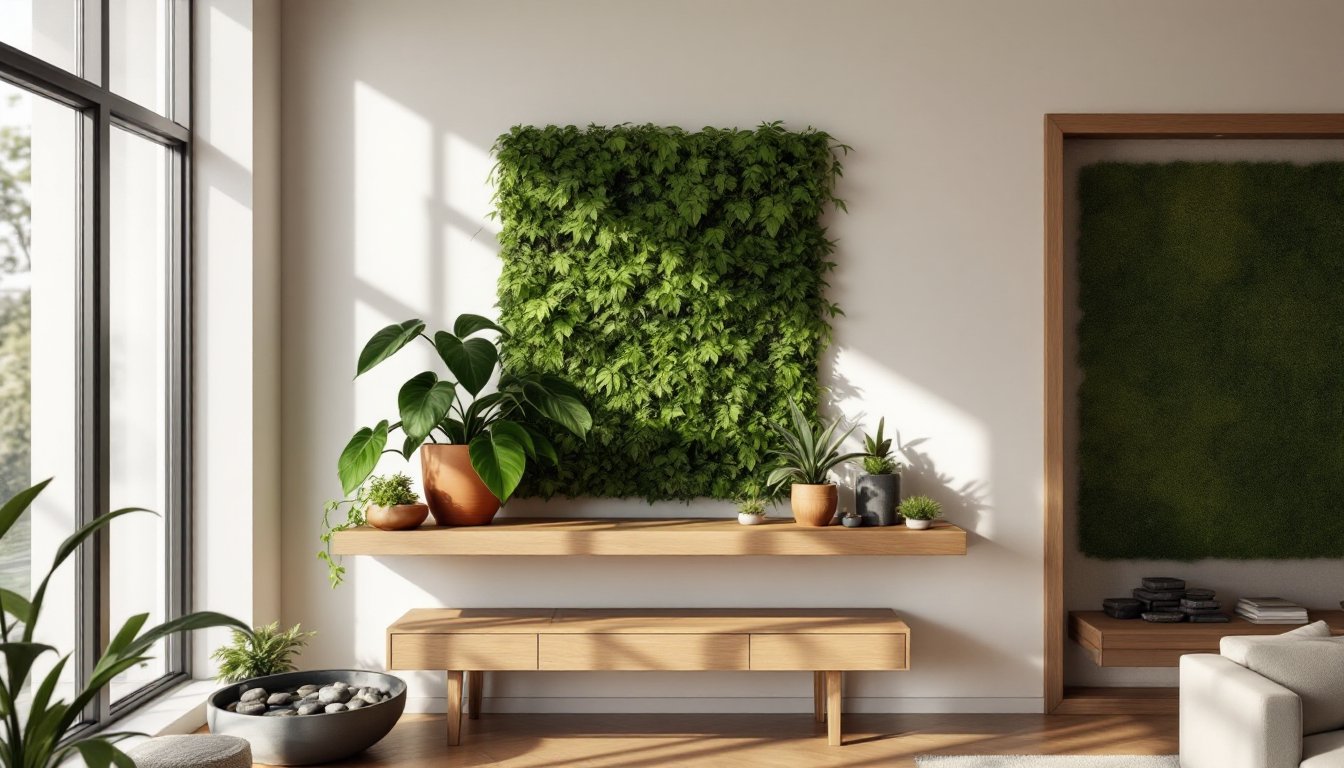
Decorating a living room doesn’t have to mean filling it with mass-produced furniture and plastic accessories. In 2026, homeowners are stepping away from sterile interiors and embracing living decor ideas that bring genuine nature indoors, plants, natural wood, water features, and organic textures that breathe life into a space. Whether you’re looking for bedroom interior ideas or living area decor ideas to refresh your home, natural elements aren’t just trendy: they actually improve air quality, reduce stress, and create an inviting focal point that synthetic décor can’t match. This guide walks through practical, doable projects that transform your rooms without requiring contractor permits or extensive DIY skills.
Key Takeaways
- Living decor ideas incorporating plants, natural wood, and water features improve air quality, reduce stress, and create inviting focal points that mass-produced alternatives cannot match.
- Low-maintenance plants like Pothos, Snake Plant, and succulents thrive in various light conditions with irregular watering, making them ideal for busy homeowners seeking sustainable interior design.
- Statement living walls and vertical gardens transform blank spaces into dynamic green backdrops by mounting small planters or modular systems secured to wall studs with proper anchors and drainage.
- Natural wood shelving, stone accents, and organic materials like rattan and cork layer together to add warmth, texture, and character that grounds a room without requiring extensive installation.
- Water features such as tabletop fountains and wall-mounted panels introduce calming sound and visual movement while adding humidity, but require weekly water top-offs and monthly cleaning to prevent algae growth.
- Moss walls and succulent gardens create living focal-point artwork with minimal maintenance, offering sculptural interest that complements both modern and traditional interior design schemes.
Incorporate Indoor Plants Into Every Room
The simplest, most effective living decor idea is adding houseplants. They soften hard corners, fill blank wall space, and work in every room, living room, bedroom, bathroom, kitchen. Start by assessing light conditions: a north-facing bedroom gets low light, while a south-facing living room offers bright, consistent sun. Match plants to these conditions rather than buying what looks good at the nursery.
Placement matters as much as plant choice. Group smaller plants on shelves or floating wall brackets to create layers without cluttering the room. Large specimen plants, a Fiddle Leaf Fig, Bird of Paradise, or mature Monstera, work as living focal points in corners or beside an entryway. Hang trailing plants like Pothos or String of Pearls from ceiling hooks or mounted shelves to draw the eye upward and fill negative space.
Choose Low-Maintenance Plants for Busy Homeowners
Not every homeowner has time for daily watering and misting. Pothos, Snake Plant, and ZZ Plant tolerate low light and irregular watering, let the soil dry completely between waterings, then water thoroughly. Philodendron and Dracaena are similarly forgiving. Succulents (Echeveria, Jade Plant) and Pilea Peperomioides thrive on neglect if given decent light. Overwatering kills more plants than underwatering, so err on the side of dry.
Use terracotta or plastic pots with drainage holes, never bypass drainage, even if the pot looks better without it. Soil matters: grab a general-purpose houseplant mix rather than garden soil, which compacts and retains too much water indoors. Refresh soil every 12–18 months by repotting, which also gives the plant more room to grow. If a plant consistently underperforms, move it to brighter or dimmer light before assuming it’s dead.
Create a Statement Living Wall or Vertical Garden
A living wall, rows of plants mounted on a wall, transforms a blank surface into a dynamic green backdrop. It’s a showstopper for interior ideas for living room projects and instantly updates the aesthetic without rearranging furniture.
Small-scale living walls work best for DIYers. Mount a wall-mounted planter rack (available in wood or metal) that holds 6–12 small pots. Secure it with 2.5-inch wall anchors rated for 50+ pounds if you’re hitting drywall alone: hit studs for heavier installations. Space brackets 16 inches apart (standard stud spacing) and use a level to ensure it’s plumb before securing. Fill pots with small plants: Senecio, Sedum, Peperomia, or young Philodendrons. Water from the top and let excess drain, never let water pool.
Alternatively, use a modular living wall system with built-in irrigation tubing. These cost more upfront but handle watering more forgivingly. Install drip tubing along the top, running it to a small timer-controlled valve. Check water flow weekly: clogged emitters or pinched lines reduce coverage. Monitor soil moisture in the lowest pots, as gravity causes water to accumulate there. Trim plants monthly to prevent overgrowth that blocks light to lower plants.
Add Natural Wood and Organic Materials
Nothing grounds a room like solid wood shelving, live-edge floating shelves, or reclaimed wood accents. Wood brings warmth and texture, especially important in cool, modern spaces that can feel sterile without it. A single live-edge walnut or oak shelf does more for a room’s character than five pieces of metal furniture.
Where wood works best: above a sofa as display shelving, as a headboard feature in the bedroom interior ideas layout, or as a mantel-style shelf above a fireplace. Mounting is straightforward: locate studs with a stud finder, mark them, drill pilot holes, install heavy-duty brackets (rated for at least 25–50 pounds depending on shelf depth and intended load), and secure the shelf. Don’t overload it, a 24-inch shelf holds maybe 40–50 pounds if properly bracketed. Stain or finish bare wood with a water-based polyurethane to protect against dust and moisture.
Complement wood with other organic materials: woven rattan, jute, sisal, or wicker baskets for storage and texture. A stone or slate accent wall (partial, using peel-and-stick stone veneer or real stacked stone behind a fireplace) creates dramatic focal-point depth. Cork or natural fiber area rugs add underfoot warmth. These materials don’t require installation: they layer over existing décor, making them perfect for renters.
Bring in Water Features for Calm and Movement
Water features introduce sound and visual movement, two things that relax the nervous system. A small tabletop fountain, wall-mounted water feature, or indoor pond with a recirculating pump works in any living area decor ideas scheme.
Tabletop fountains are the easiest entry point. Set one on a console table, bookshelf, or side table away from electronics. Fill the basin with distilled water (tap water leaves mineral deposits), plug it in, and watch the pump recirculate water. Clean the pump intake and basin monthly to prevent algae growth and mineral buildup. Distilled water evaporates, so top it off weekly.
For a bigger impact, consider a wall-mounted water feature, a copper, slate, or fiberglass panel that recirculates water down its face. Installation requires a weatherproof outlet (GFCI-protected, per electrical code) within 6 feet. Route the supply line and pump cord behind a baseboard or up a wall, concealing them. These features add humidity (beneficial in dry climates) and create a soothing ambient sound that masks external noise, valuable in open-plan or apartment living situations.
Maintenance note: Standing water breeds mosquito larvae and mold. Never leave a fountain sitting idle: drain and clean it before long trips. Replace water every 2 weeks if stagnation occurs.
Layer Textures With Stones, Bark, and Branches
Living decor doesn’t mean only plants. Adding tactile, non-living natural materials creates depth and visual interest. Think of it as layering textures the way you’d layer clothing, each element adds richness.
Start with a decorative stone base: stack flat slate pieces in a corner, scatter polished river rocks in a large bowl on a coffee table, or use pea gravel inside a low wooden tray as a Zen garden vignette. Branches, driftwood, birch, or manzanita, lean against a wall in a corner or stand in a tall vase as sculptural décor. Bark chunks scattered among potted plants soften edges. A burlap or linen fabric draped over a chair adds natural fiber warmth. Homedit showcases how these, showing real examples of stone, wood, and plant combinations.
Grouping is key: don’t scatter items randomly. Cluster a large stone, three branches, and a potted plant in one corner to create a composed vignette. Leave breathing room so the eye can rest. This approach works especially well in bedrooms, where calming, grounded textures encourage relaxation.
Design a Focal Point With Living Moss or Succulents
Moss walls and succulent gardens create living artwork, a true focal point that commands attention. Unlike trailing plants, moss and succulents demand minimal ongoing care once established.
Moss walls use preserved moss (not live moss, which needs constant misting). Preserved moss requires no watering, sunlight, or fertilizer. Mount it on plywood backing secured to studs, gluing moss pieces with moss adhesive or florist’s glue. Frame the edges with wood trim or metal corner guards. Dust it every few months with a soft brush: that’s the only “maintenance.” It works beautifully as a focal point above a console table, inside a recessed niche, or as a bedroom interior ideas accent behind a bed.
Succulent gardens offer more flexibility. Plant a variety of Echeveria, Sedum, Aeonium, and Aloe in a shallow wooden box or ceramic tray with well-draining cactus soil. Position in bright, indirect light (a south-facing windowsill is ideal). Water sparingly, once every 3 weeks during growing season, less in winter. Arrange plants by height and color for visual interest: design-focused resources like Dwell discuss composing succulent arrangements for maximum impact. Display on a floating shelf, mantel, or as a tabletop centerpiece.
Both options work in living rooms and bedrooms. The structured, sculptural quality of moss and succulents appeals to modern and minimalist aesthetics without clashing with traditional décor.