Interior Decorating Styles: A 2026 Guide to Finding Your Perfect Look
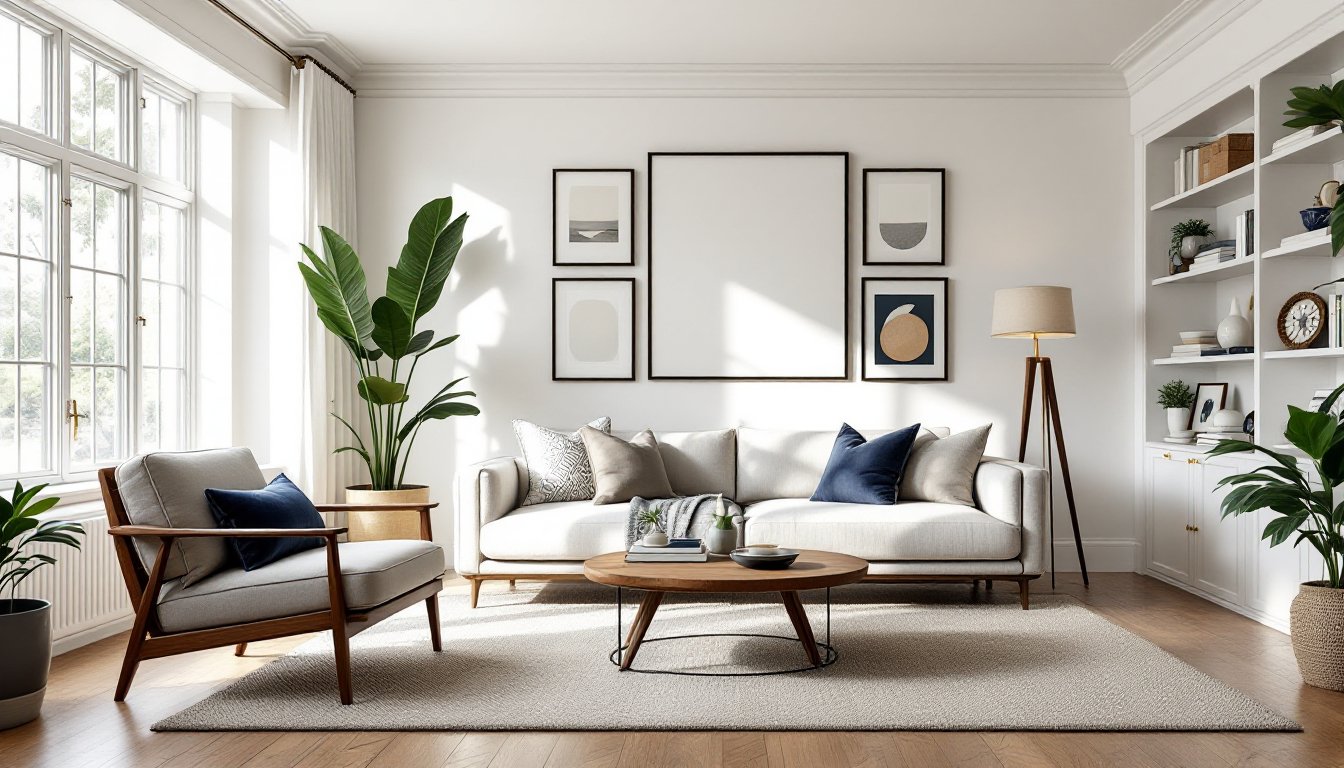
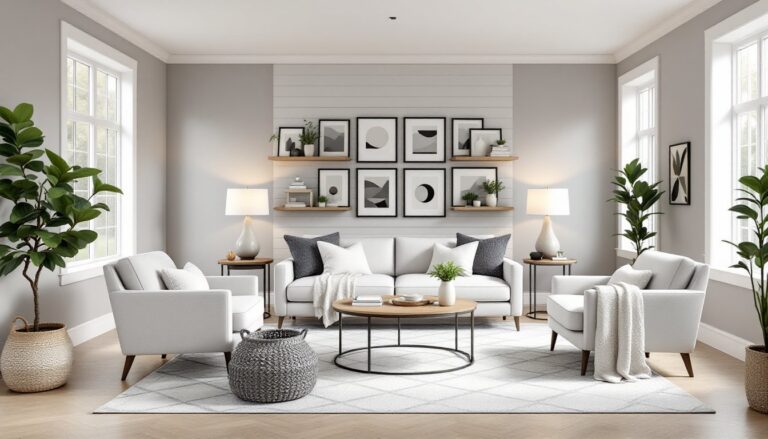
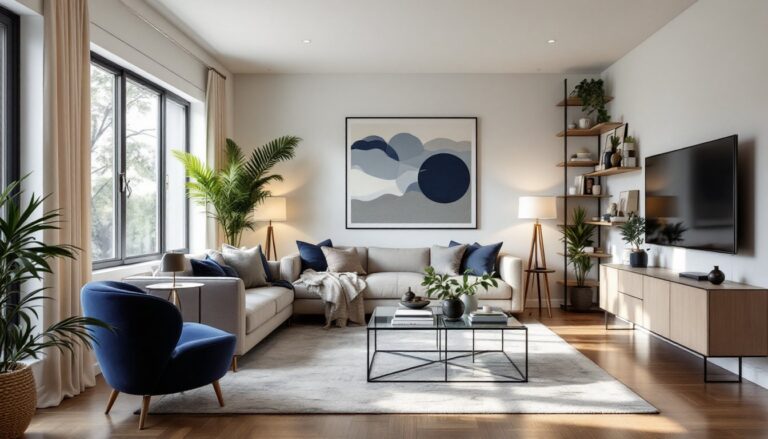
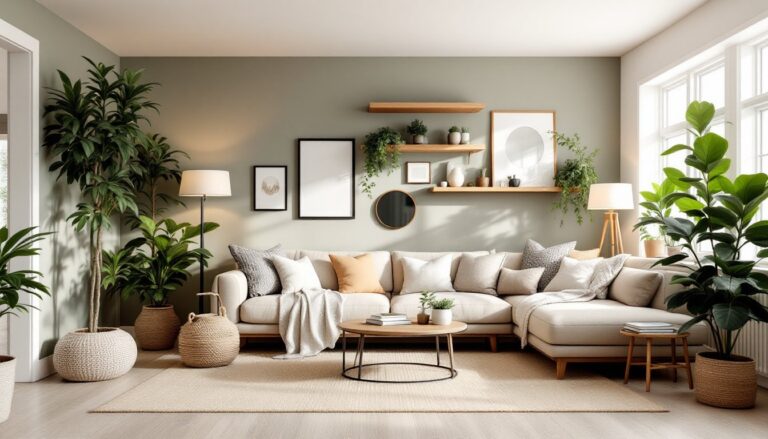
Walk into any home and the décor tells a story before anyone says a word. Whether it leans rustic, polished, or somewhere in between, picking an interior decorating style gives every paint choice, furniture purchase, and DIY project a clear direction. For homeowners staring at an empty room or a tired one, the hardest part isn’t the work, it’s deciding what look to chase. This 2026 guide breaks down the most popular interior decorating styles, how to spot the right one, and how to pull it off without blowing the budget.
Key Takeaways
- Identify your interior decorating style by answering three core questions: what does your home’s architecture support, how does your household actually live, and what colors and textures consistently appeal to you.
- Classic interior decorating styles like Traditional, Farmhouse, and Coastal prioritize craftsmanship and age well because they forgive imperfection and transcend trend cycles.
- Modern interior design branches into three dominant styles—Minimalist, Mid-Century Modern, and Scandinavian—each offering clean aesthetics at varying price points from budget reproductions to investment originals.
- Blend multiple styles successfully by anchoring with one dominant style (70%), maintaining a consistent color palette, repeating one material element, and matching visual proportions across rooms.
- Paint, hardware swaps, and lighting changes deliver the biggest visual impact on a budget, with quality interior paint costing $35–$60 per gallon and hardware upgrades under $100 per room.
- Intentional interior decorating doesn’t require a designer budget; start small by painting one room or refinishing one piece to let your chosen style reveal itself through the process.
How to Identify the Right Decorating Style for Your Home
Before anyone hauls home a gallon of primer or a flat-pack sofa, they should figure out what actually resonates. Style hunting starts with three honest questions:
- What does the architecture want? A 1920s bungalow fights modern minimalism. A new-build ranch resists heavy Victorian trim.
- How does the household actually live? Kids, pets, and entertaining habits matter more than mood boards.
- What colors and textures keep showing up in saved photos, clothing, and travel snapshots?
A simple exercise: pull 20 images from saved folders or magazines like the editorial galleries at Elle Decor’s room ideas and look for repeats. Warm woods? White walls? Brass hardware? Patterns repeat for a reason, that’s the style talking.
Timeless Classics: Traditional, Farmhouse, and Coastal Styles
Classic styles age well because they prioritize craftsmanship over trend cycles.
- Traditional leans on symmetry, dark woods (cherry, mahogany), crown molding, and layered textiles. Think wingback chairs and oil-rubbed bronze. Regional variations like classic Italian interiors or heritage British styling fall under this umbrella.
- Farmhouse uses shiplap, apron-front sinks, reclaimed wood beams, and a neutral palette. It’s DIY-friendly, most upgrades involve a miter saw and patience.
- Coastal delivers light, airy rooms with whitewashed wood, linen, and blues. A full breakdown of the breezy coastal look covers paint colors and material choices in detail.
These styles forgive imperfection, a slightly off miter cut on a piece of trim reads as character, not failure.
Modern Favorites: Minimalist, Mid-Century Modern, and Scandinavian
Modern interior design covers a wide territory, but three branches dominate.
Interior design minimalist approaches strip rooms to essentials: hidden storage, monochrome palettes, and one or two statement pieces. Every object earns its spot.
Mid-century modern (roughly 1945–1970) features tapered walnut legs, organic curves, and saturated accent colors like mustard or teal. Original pieces from Eames or Saarinen run thousands: reproductions cost a fraction.
Scandinavian prioritizes light wood (often white oak or ash), wool throws, and functional simplicity, with practical guidance available in this Nordic style breakdown. It’s closely related to minimalism but warmer.
For a more polished take on modern interior decor, the modern classic blend marries clean lines with traditional comfort, useful for homes that can’t commit fully to either camp.
Bold and Eclectic: Bohemian, Industrial, and Maximalist Looks
Some homeowners want personality cranked to eleven. These styles deliver.
- Bohemian mixes global textiles, vintage rugs, plants, and layered patterns. It’s forgiving and thrift-friendly, the more lived-in, the better.
- Industrial celebrates exposed brick, blackened steel, Edison bulbs, and reclaimed timber. Loft origins show: think open ductwork and concrete floors. Sealing concrete or finishing exposed brick requires the right primer and a respirator, not a weekend impulse.
- Maximalism rejects the “less is more” rule entirely. Bold wallpaper, gallery walls, jewel tones, and pattern-on-pattern. Curated maximalist rooms in publications like MyDomaine’s design guides show how to layer without chaos.
A culturally rich variant worth exploring is Mexican interior design, which blends bold color, handcrafted tile, and natural materials.
Mixing Styles Without Clashing: Practical Pairing Tips
Most real homes blend two or three styles. The trick is giving them a common thread.
- Pick one dominant style (70%) and one or two accents (30%). A mostly Scandinavian living room can absorb one industrial pendant without losing its identity.
- Anchor with a consistent color palette. Three to five colors carried across rooms unify wildly different furniture eras.
- Repeat one material. Brass hardware in a farmhouse kitchen and a mid-century bathroom ties them together visually.
- Match visual weight. Don’t put a delicate French side table next to a hulking industrial sofa, the proportions fight.
For inspiration on graceful blending, the principles behind French interior styling lean heavily on mixing antique and modern, a useful template.
Budget-Friendly Ways to Bring Your Chosen Style to Life
Style doesn’t require a designer budget. The biggest visual changes come from paint, lighting, and hardware, all DIY-accessible.
- Paint: One gallon covers roughly 350–400 sq ft with a single coat. Two coats are standard. A quality interior latex runs $35–$60 per gallon, regional pricing varies.
- Hardware swaps: Replacing cabinet pulls and switch plates costs under $100 per room and instantly shifts a kitchen from builder-grade to intentional.
- Lighting: Swapping a dome fixture for a statement pendant takes about 30 minutes. Always cut power at the breaker and verify with a non-contact voltage tester, NEC requires proper grounding and box ratings for fixture weight.
- Thrift and refinish: A solid-wood dresser sanded and refinished beats most flat-pack furniture for under $80 in supplies.
- Textiles: Curtains, rugs, and throw pillows reset a room’s mood for a few hundred dollars.
For higher-impact looks like the modern glam aesthetic, focus budget on one statement piece, a velvet sofa or a brass chandelier, rather than spreading it thin. Idea galleries at Homedit’s design features are useful for seeing how single splurges anchor a room.
Safety note: Sanding old furniture? Pre-1978 finishes may contain lead. Test first, and wear an N95 mask plus safety goggles.
Conclusion
Picking an interior decorating style isn’t about chasing trends, it’s about matching a home’s bones, a household’s habits, and a homeowner’s instincts. Start small: paint one room, swap one fixture, refinish one piece. The style reveals itself in the doing. By 2026, the best-looking homes won’t be the most expensive ones, they’ll be the most intentional.