Modern House Decor Ideas: 15 Trending Styles to Transform Your Home in 2026
Whether you’re refreshing a single room or overhauling your entire home, the right house decor ideas can breathe new life into your space without very costly. The design landscape in 2026 is all about balance, finding harmony between what you love and what actually works for your lifestyle. From minimalist havens to bold, texture-rich interiors, today’s trending house decor ideas blend sustainability, practicality, and personal expression. The key is understanding which approaches match your budget, space constraints, and design vision. Let’s walk through the styles and strategies that are transforming homes right now, and how you can adapt them to your own project.
Key Takeaways
- Effective house decor ideas balance aesthetics with function, blending sustainability, practicality, and personal expression to suit your lifestyle and budget.
- Minimalist design reduces visual clutter and decision fatigue through intentional curation, neutral palettes, and hidden storage—perfect for homeowners seeking calm and easier maintenance.
- Warm maximalism thrives on 3-4 cohesive colors layered with diverse textures and patterns, allowing budget-friendly thrift finds and DIY projects to create personalized, energetic spaces.
- Statement walls using bold paint, wallpaper, or shiplap provide the highest design impact per dollar and instantly anchor a room’s focal point with minimal investment.
- Budget-conscious decorating prioritizes paint, lighting, and thrifted furniture over quantity, while DIY projects like gallery walls and refinishing pieces deliver major visual payoff.
- Bringing nature indoors through live plants, natural wood, and organic materials improves air quality and creates warm, inviting spaces that support wellness and comfort.
Minimalist Design: Less Is More
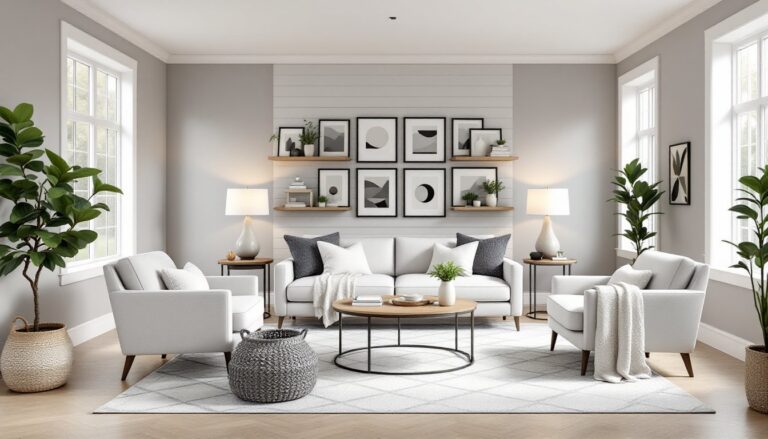
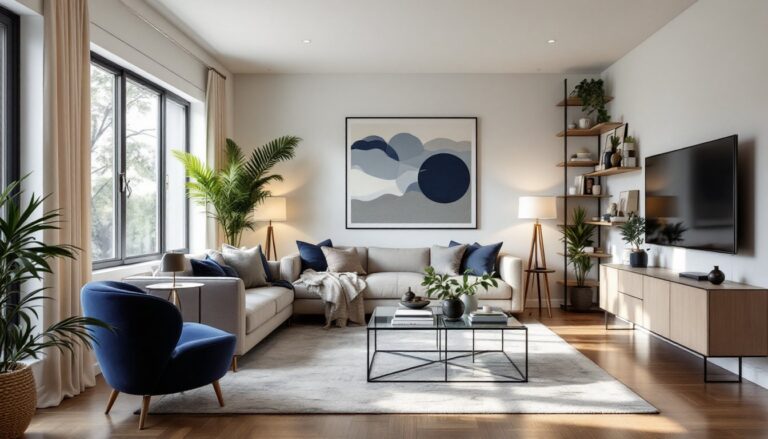
Minimalism isn’t about an empty, cold home, it’s about intentional curation. This approach strips away visual clutter, focusing on clean lines, neutral color palettes, and negative space. Walls typically feature soft whites, warm grays, or muted beiges. Furniture is low-profile and functional, with minimal ornamentation.
The practical appeal is real: fewer items mean easier cleaning, lower costs over time, and a sense of calm that many homeowners crave. Start by assessing what you actually use and love. Everything else goes. Paint walls a soft neutral, invest in good storage that stays hidden, and choose one or two statement pieces rather than filling shelves. Many find that minimalist interior design fundamentals like decluttering and neutral color schemes create a surprisingly welcoming atmosphere when paired with warm lighting and natural materials like wood or wool.
The challenge: minimalism requires discipline. You’ll resist the urge to add “just one more thing” constantly. But once established, this style dramatically reduces decision fatigue and creates a peaceful baseline for your whole home.
Warm Maximalism: Bold Colors and Layered Textures
If minimalism feels sterile, warm maximalism is its spirited counterpart. This trend embraces rich jewel tones, deep emerald, sapphire, burnt orange, and terracotta, layered with diverse textures and patterns. Think velvet pillows, woven wall hangings, gallery walls, and patterned rugs sharing the same room.
The key to pulling off maximalism without chaos is a cohesive color story. Pick 3-4 main colors and repeat them across textiles, art, and accessories. Balance is critical: pair busy patterns with solid-colored furniture, and anchor the room with one neutral wall or floor element. Layer different materials, ceramic, macramé, leather, metal, to add depth and interest.
This approach thrives on budget home makeovers and DIY decor projects where you can repaint, thrift pieces, and rearrange frequently. Thrift stores and online marketplaces are goldmines for unique textiles and statement decor. The payoff is a space that feels collected, personalized, and full of energy. Fair warning: maximalism requires editorial restraint, the best maximalist rooms feel intentional, not haphazard.
Sustainable and Eco-Friendly Decor
Sustainability in home decor goes beyond trendy bamboo accents. It means choosing pieces built to last, sourcing from responsible suppliers, and prioritizing materials with lower environmental impact. Look for reclaimed wood, recycled metal, natural fibers like jute and linen, and non-toxic paints and finishes.
When shopping, ask questions: Where was this made? What’s it made of? Will it last five years or five months? Vintage and reclaimed furniture automatically has lower impact because it’s already in circulation. Local craftspeople often offer custom pieces that reduce shipping emissions. Natural materials like solid wood, wool, and cotton are biodegradable and often last longer than synthetic alternatives.
Budget-conscious DIYers can refinish thrifted pieces with eco-friendly stains or paints, upcycle old textiles, or repurpose building materials. Many homeowners find that investing in fewer, higher-quality sustainable pieces feels better than constantly replacing cheap decor. This aligns with home ideas interior that emphasize longevity and connection to your belongings.
Statement Walls and Feature Focal Points
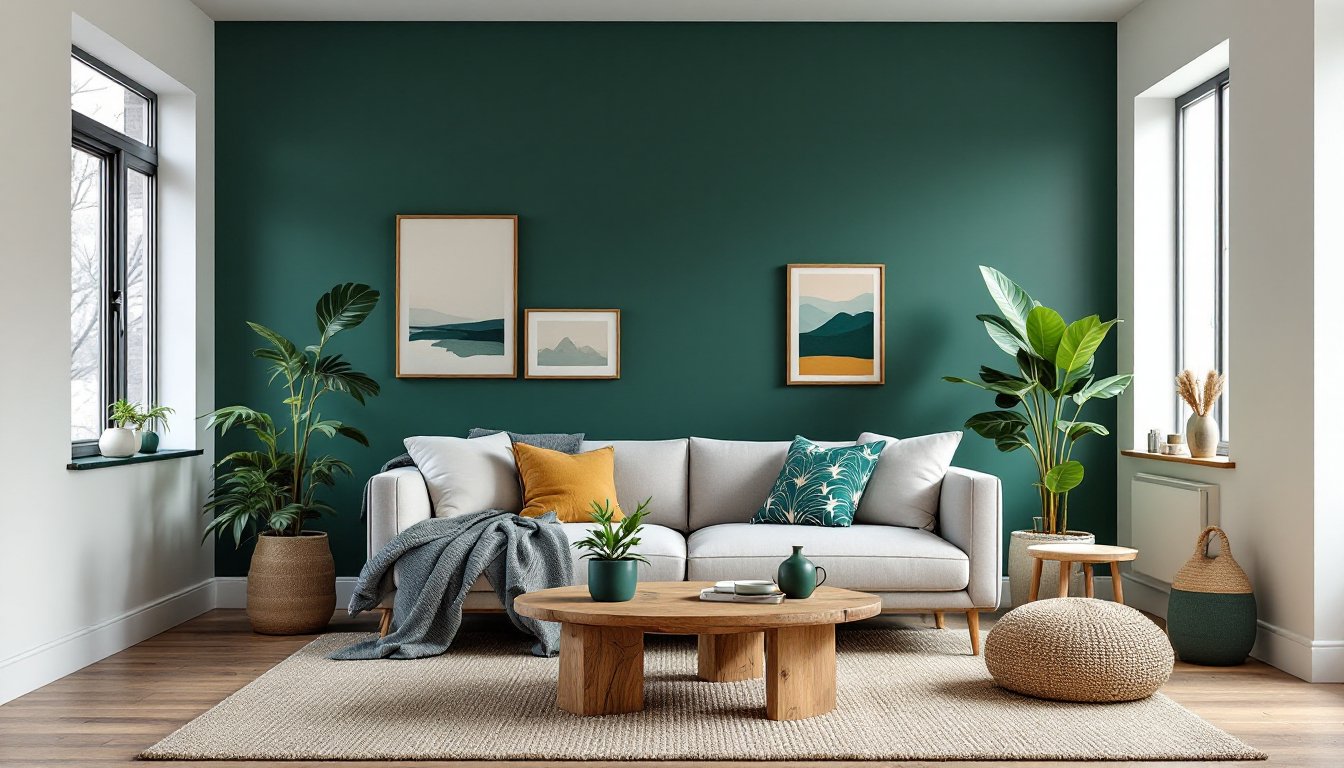
A statement wall, whether via bold paint, wallpaper, shiplap, or wood paneling, instantly anchors a room’s design. Choose one wall as your focal point, typically the wall you see first entering the room or the wall behind a bed or sofa.
Paint is the fastest, most budget-friendly option. Deep greens, navy blues, terracotta, and charcoal all read as sophisticated when paired with white trim and neutral furnishings. Wallpaper offers more pattern variety: removable options mean you can experiment without permanent commitment. For a more structural approach, shiplap or interior ceiling design ideas like beadboard can add texture and visual interest while tying into your overall aesthetic.
Measure carefully and prime properly before painting, proper prep prevents peeling and ensures color accuracy. If using wallpaper, ensure walls are smooth and clean: imperfections telegraph through. A well-executed statement wall elevates an entire room for the cost of paint or wallpaper and a weekend.
Budget-Friendly Decor Solutions
You don’t need a designer budget to achieve polished home interior ideas. The secret is prioritizing impact over quantity and getting strategic about where you invest.
Start with paint. A fresh coat on walls is the single highest ROI home improvement, roughly $5-15 per gallon covers 350 square feet. Next, add lighting: affordable task lights, pendant lights, or floor lamps dramatically change how a room feels and functions. Thrifting is your friend: estate sales and secondhand shops often have solid wood furniture, artwork, and unique decor for a fraction of retail. Layer in affordable textiles, throw pillows, blankets, curtains, from big-box retailers to add color and warmth without commitment.
DIY touches matter too. Room makeovers and DIY furniture projects often cost far less than store-bought equivalents, plus you control the quality. Stenciling, creating gallery walls, or refinishing a thrifted dresser are weekend projects that yield major visual payoff. The rule: spend on things you touch daily (a comfortable sofa, good lighting) and save on decor that’s easily swapped.
Bringing Nature Indoors With Plants and Natural Materials
Natural elements ground a space and boost well-being. This includes live plants, natural wood, stone, cotton, linen, wool, and raw finishes that show imperfection and age.
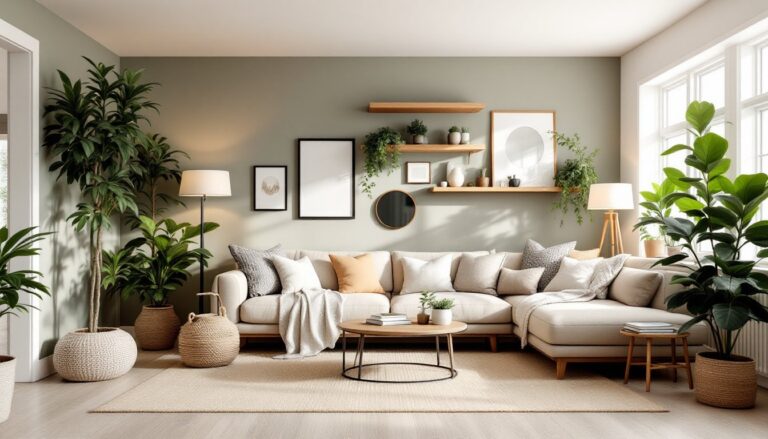
Plants aren’t just decor, they improve air quality and add movement and color year-round. Start with hardy varieties like pothos, snake plants, or fiddle leaf figs if you’re new to plant parenting. Layer in natural wood through furniture, shelving, or accent pieces: the grain and imperfections make spaces feel warm and lived-in. Stone accessories, cork mats, and natural fiber baskets add tactile variety without cost-prohibitive installation.
This approach pairs beautifully with home interior decor ideas centered on wellness and comfort. A room with wood tones, greenery, and soft natural fabrics feels inviting and restorative. Consider smart styling ideas for compact living spaces when you’re working with limited square footage, vertical plant displays and minimal furniture maximize the feeling of airiness while keeping the space grounded in nature.
Conclusion
Modern house decor ideas succeed when they balance aesthetics with function, and intention with accessibility. Whether you gravitate toward serene minimalism, textured maximalism, sustainable practices, or nature-inspired touches, the best style is one you’ll actually live with daily. Start small, one wall, one corner, one shelf, and let your space evolve as you discover what resonates. Your home should reflect who you are, not who you think you should be.