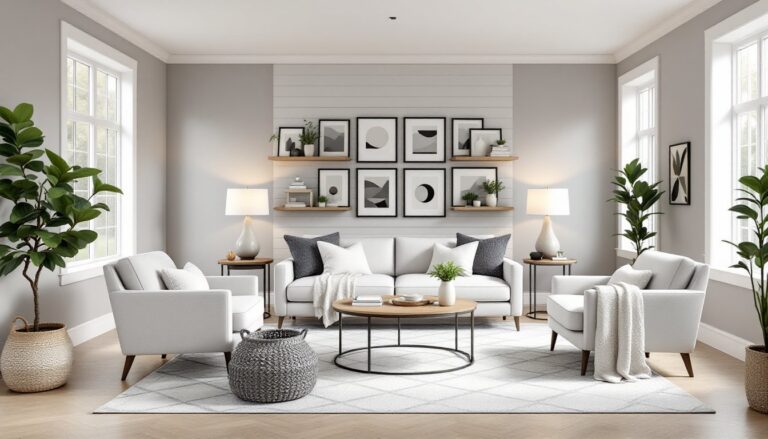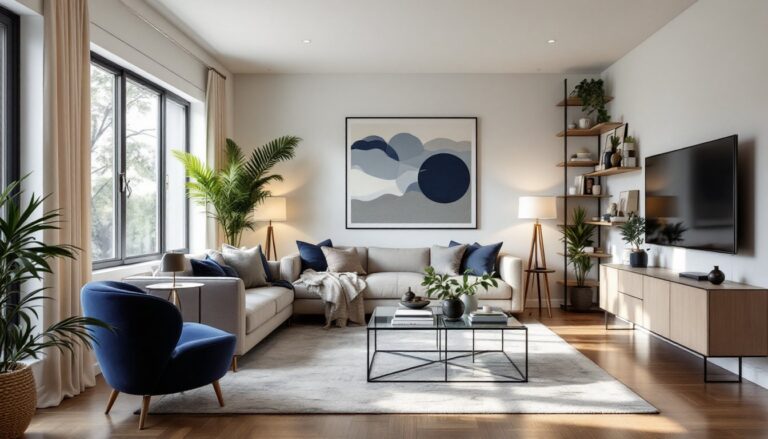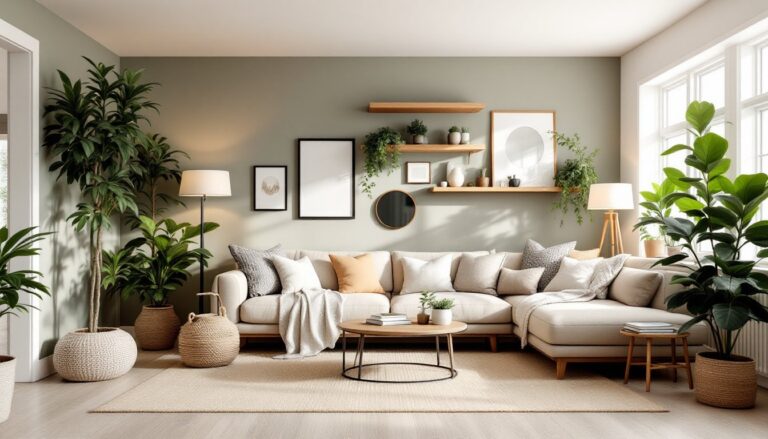
Room Decor Ideas: 25 Creative Ways to Transform Any Space in 2026
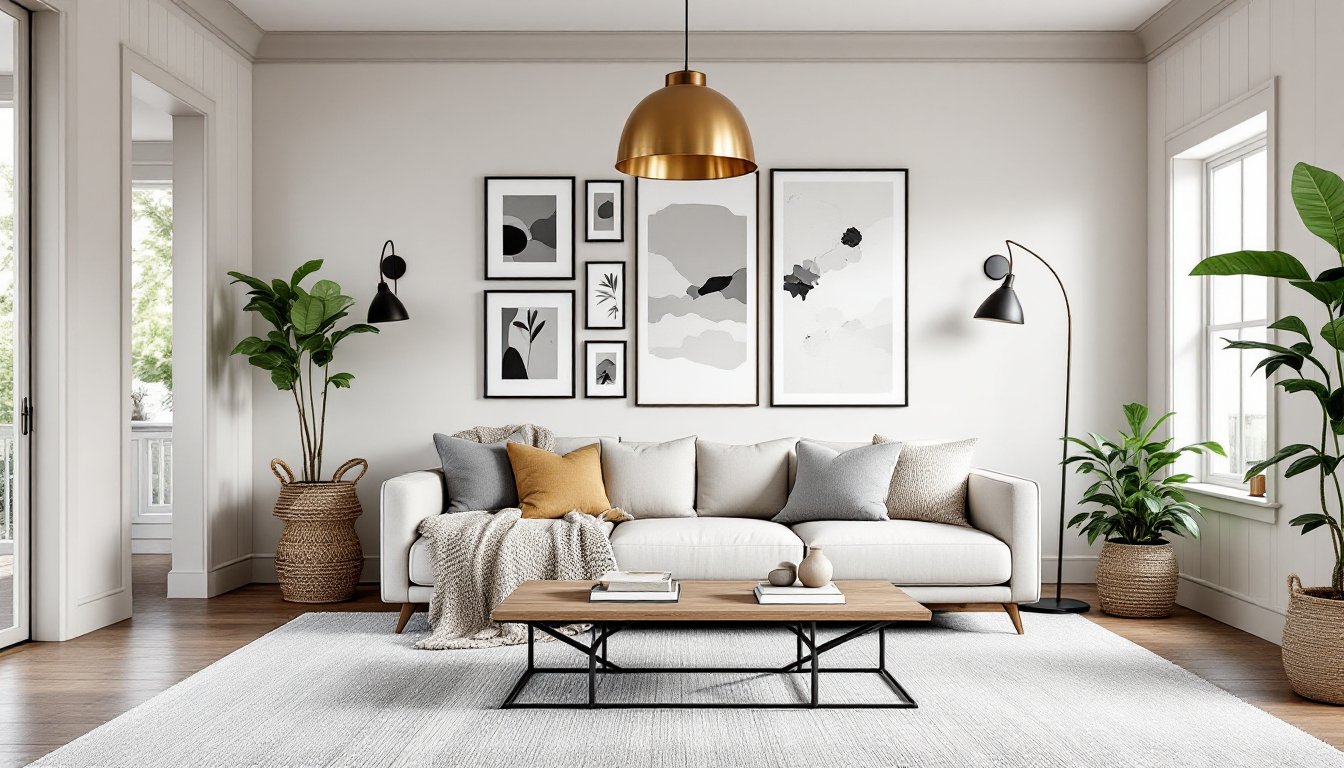
A room doesn’t need a full gut job to feel new. With the right mix of color, light, and a few well-placed details, even a tired space can pull itself together in a weekend. The trick is knowing where to start and which projects actually move the needle.
This guide walks through 25 practical room decor ideas for 2026, organized so homeowners can tackle them in any order. Whether the goal is a quick refresh or a deeper redesign, every suggestion below balances style with how-to substance.
Key Takeaways
- Use the 60-30-10 color rule—60% dominant, 30% secondary, 10% accent—to create a cohesive room decor palette that works in any style.
- Layer lighting with ambient, task, and accent fixtures to replace single overhead lights and set mood while improving functionality.
- Paint walls and ceilings (your cheapest refresh), add texture with paneling or limewash, and arrange gallery walls with 2–3 inches of spacing for maximum visual impact.
- Incorporate textiles, live plants, and curated accessories in odd groupings to soften spaces and make room decor feel intentional and lived-in.
- Swap cabinet hardware, switch plates, and grout or add crown molding for high-ROI upgrades that modernize tired spaces under budget.
Start With a Style Vision and Color Palette
Before buying a single throw pillow, homeowners should pin down a direction. Pulling 10–15 reference images into a folder, then narrowing to three or four that share a mood, reveals a pattern fast. Common 2026 directions include warm minimalism, organic modern, and updated transitional.
Next comes the palette. A reliable formula is the 60-30-10 rule: 60% dominant color (walls, large furniture), 30% secondary (rugs, upholstery), and 10% accent (art, accessories). Painter’s tape sample swatches directly to the wall and check them at morning, noon, and night, light temperature changes everything.
For smaller footprints, the styling principles in this compact interior guide translate well to apartments, studios, and bedrooms under 150 square feet.
Refresh Walls With Art, Paint, and Statement Textures
Walls are the largest visual surface in any room, and they’re the cheapest to change. A gallon of quality interior latex covers roughly 350–400 square feet per coat, meaning most bedrooms repaint for under $80 in materials. Prep matters more than paint choice: clean with TSP substitute, patch with lightweight spackle, and prime any bare drywall or stained areas before color goes on.
For texture, limewash, Roman clay, and tongue-and-groove paneling are leading the 2026 ideas for wall decor. A full wooden wall design treatment, vertical slats, board-and-batten, or shou sugi ban accents, adds depth that paint alone can’t match. And don’t forget the ceiling. Painting it two shades lighter than the walls, or going bold with a deep matte, instantly modernizes a room.
Gallery Walls and DIY Art Projects
Gallery walls succeed or fail on layout. Homeowners should trace each frame onto kraft paper, tape the templates to the wall, and live with the arrangement for a day before drilling. Aim for 2–3 inches of consistent spacing between frames.
For original art on a budget, stretched canvas and a few tubes of acrylic go a long way. Abstract color blocks, pressed botanicals under glass, and oversized black-and-white photo prints from a local print shop all read as intentional. Resources like Addicted 2 Decorating document dozens of low-cost DIY art tutorials worth bookmarking.
Layer Lighting for Mood and Function
Most rooms suffer from one overhead fixture doing all the work. Designers solve this with three layers: ambient (general illumination), task (reading, cooking, vanity), and accent (art lights, sconces, LED strips).
A few quick wins:
- Swap builder-grade flush mounts for a statement pendant or semi-flush fixture.
- Add plug-in wall sconces, no electrician needed, on either side of a bed or sofa.
- Install dimmer switches on existing circuits (a 15-minute job if comfortable working with the breaker off: otherwise hire a licensed electrician, per NEC guidelines).
- Use 2700K–3000K bulbs in living spaces for warm light, and 3500K–4000K in kitchens and workspaces.
The room-by-room lighting breakdowns from design publications are useful for matching fixture scale to ceiling height, generally, the bottom of a dining pendant sits 30–36 inches above the table.
Add Personality With Textiles, Plants, and Curated Accents
Textiles soften hard surfaces and signal that a room is lived in. A rug should be large enough that the front legs of all major seating sit on it, 8×10 or 9×12 is standard for most living rooms. Layer with a throw blanket draped (not folded) over one arm of the sofa, and mix at least three pillow textures: linen, bouclé, and a woven or printed accent.
Plants pull double duty as decor and air movers. Snake plants, pothos, and ZZ plants forgive irregular watering. For renters, faux botanicals from quality makers now read convincingly from a few feet away.
Curated accents work best in odd numbers, threes and fives, grouped by height. A stack of art books, a ceramic vessel, and a small sculptural object is a foolproof coffee-table vignette. Galleries like Homedit show how varying material (wood, stone, glass, metal) within a single grouping keeps it from feeling flat.
Budget-Friendly Decor Swaps That Make a Big Impact
Not every project needs new furniture. These swaps deliver outsized returns:
- Replace cabinet hardware. Brass, matte black, or unlacquered pulls modernize kitchens and baths for under $5 per pull. This is one of the highest-ROI kitchen decor ideas available.
- Change switch plates and outlet covers. Screwless metal covers cost a few dollars each and erase the cheap-builder look in minutes.
- Re-grout tile. Fresh grout makes a 10-year-old bathroom look five years younger: pair it with new towels and a fixture swap for compelling master bathroom decor ideas without a remodel.
- Add crown molding or picture rail. Pre-primed MDF stock with a coping saw and finish nailer transforms a builder-grade box.
- Look up. Painting, papering, or adding beams to the fifth wall above is one of the most overlooked moves in residential design.
A word on safety: when sanding, painting, or cutting MDF, wear an N95 or P100 respirator, safety glasses, and hearing protection for power tools. MDF dust is no joke.
Conclusion
Good room decor isn’t about chasing every trend, it’s about layering color, light, and texture in ways that hold up day to day. Start with the palette, fix the lighting, then add the personal pieces last. Tackle one room at a time, document what works, and the rest of the house follows naturally.