Spanish Mediterranean Interior Design: Create A Coastal Retreat In Your Home
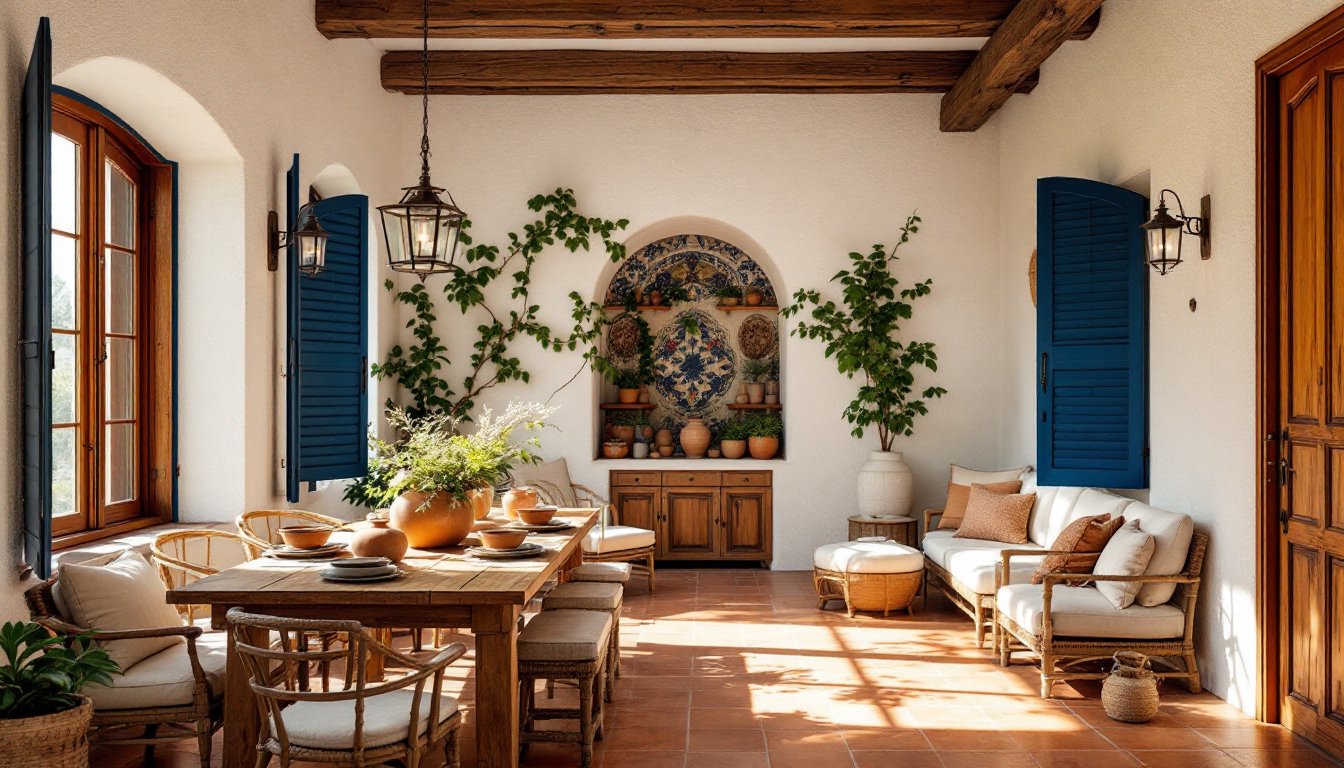
Spanish Mediterranean design blends the warmth of Iberian heritage with the relaxed elegance of coastal living. This interior style draws inspiration from sun-drenched villages, terracotta rooftops, and whitewashed walls found along Spain’s coastlines and countryside. Unlike trends that fade, this aesthetic has endured for centuries because it prioritizes comfort, authenticity, and connection to natural materials. Whether you’re renovating a single room or planning a whole-home update, creating a Spanish Mediterranean interior doesn’t require expensive imports or professional designers, it asks for intentional choices about color, texture, and furnishings. Let’s walk through the practical steps to bring this timeless retreat into your home.
Key Takeaways
- Spanish Mediterranean interior design prioritizes comfort, authenticity, and natural materials over expensive trends, making it achievable through intentional choices about color, texture, and furnishings.
- Core color palettes—cream walls, terracotta accents, cobalt blue, and earthy tones—should be saturated and confident, with samples tested on actual walls to account for natural sunlight variations.
- Authentic Spanish Mediterranean spaces feature clay or terracotta tile flooring, hand-troweled plaster walls, and solid wood furniture in warm tones that are built to last generations.
- Layout should center on gathering spaces with substantial, anchored furniture pieces and incorporate built-in storage, niches, and open shelving that display handmade ceramics and functional items.
- Lighting should be warm and layered using wrought iron fixtures, lanterns, and natural light filtered through shutters, while accessories like textiles, plants, and art are edited ruthlessly to avoid clutter.
- DIY projects like feature wall painting, tile backsplash installation, and open shelving can add Mediterranean character affordably, though structural work and electrical modifications require professional consultation.
Understanding The Spanish Mediterranean Design Style
Spanish Mediterranean design is rooted in practicality and regional authenticity. It evolved in Spain’s warm, sunny regions where people needed homes that stayed cool and bright, materials that lasted through harsh weather, and furnishings that worked hard without fussiness. The style isn’t about luxury for its own sake, it’s about quality materials used honestly. You’ll notice clay tiles instead of marble, thick plaster walls instead of drywall, and solid wood furniture built to last generations.
The design philosophy emphasizes connection to the outdoors. Courtyards, patios, and deep windows frame views of gardens and landscapes. Arches, exposed wooden beams, and niches carved into walls add architectural interest without clutter. This is practical work, functions determine form, not the reverse.
When you’re planning a Spanish Mediterranean space, think about what works for your family first. Will you spend time on a patio? Do you cook and gather in the kitchen? Are there outdoor views to frame? Top Interior Design Apps. Start by understanding how sunlight moves through your space throughout the day, then let that guide your color and material choices.
Color Palettes That Bring The Coast Indoors
Spanish Mediterranean color schemes are drawn straight from the landscape: ochre earth, cream walls, deep cobalt blue, and terracotta. These aren’t pastels or pale versions, they’re saturated, warm, and confident. The key is restraint: use one or two bold colors as accents and let neutral tones carry the space.
Whitewashed or cream walls form the foundation in most Mediterranean homes. This isn’t bright white, it’s warmer, with hints of yellow or pink undertone. On walls, you’re looking at paint finishes that have slight texture or irregular coverage to mimic aged plaster. Brands offer Mediterranean-inspired options, but the effect comes from application as much as pigment. Consider paint with mineral or lime additives for authentic texture and slight color variation.
Accent colors come from nature. Deep teracotta-orange works on a accent wall or architectural feature. Cobalt or navy blue appears in tilework, shutters, or doors. Earthy greens and burnt sienna tie in warmer notes. When selecting paint or stain, buy samples and test them on your actual walls, sunlight varies, and what looks right at the store can shift dramatically at home. Discover the Charm and, as southern design shares similar earthy, warm palettes.
Flooring, Walls, And Textures That Define The Aesthetic
Flooring is structural and visual, it sets the entire tone. Spanish Mediterranean homes typically feature clay tile, terracotta, or saltillo tile (larger, handmade tiles with rustic surface variation). These materials are durable, stay cool, and improve with age. If you’re installing tile, you’ll need to prepare a proper subfloor (check local building codes for deflection standards on joists) and use thin-set mortar and grout appropriate for the tile type and climate zone. Grout color matters: darker grout emphasizes pattern: lighter grout creates a unified field.
Wood floors also work, especially dark hardwood or reclaimed-look engineered wood in deeper stains. Avoid glossy finishes, matte or satin reflects the practical, aged quality. If replacing subfloor material or adding underlayment, ensure you account for transitions to adjacent rooms and check IRC standards for subfloor thickness and spacing.
Walls benefit from imperfect texture. Hand-troweled plaster, lime wash, or specialty finishes that mimic aged surfaces create authenticity. You don’t need expensive materials, textured paint or faux-finish techniques applied by hand achieve the effect. Exposed beam ceilings (real or faux-beam treatments) add visual weight. When installing beams, account for load-bearing requirements if structural: decorative beams can be surface-mounted. Some homes feature interior arches (both load-bearing and decorative), which require careful framing or professional installation if structural.
Incorporate handmade ceramic tiles as accents. A tile backsplash, floor inlay, or decorative border instantly anchors the aesthetic. These work well in kitchens and bathrooms where moisture resistance is practical, not just decorative.
Furniture And Layout For Authentic Spanish Mediterranean Spaces
Spanish Mediterranean furniture prioritizes comfort and longevity over trends. Look for solid wood pieces in warm tones, oak, walnut, or pine with visible grain and patina. Upholstered pieces use natural fabrics: linen, cotton, and wool in cream, earth, or muted colors. Avoid mass-produced, thin-frame furniture: Mediterranean style demands pieces that feel substantial and built to sit on for decades.
Layout centers on gathering spaces. Large dining tables, kitchen islands, and living room seating arranged for conversation reflect how Mediterranean families actually use their homes. Avoid floating furniture in the middle of rooms, anchor pieces to walls and architectural features. This makes spaces feel intentional and connected to the home’s structure.
Storage happens through built-in cabinetry, niches, and open shelving rather than free-standing units. A niche carved into a thick wall (or created with framing and drywall) displays pottery or books while looking architecturally integrated. Open shelving in kitchens displays everyday ceramics and glassware, function and decoration combined. When adding built-ins, frame them properly into existing walls and secure shelving to studs with appropriate anchors and fasteners rated for load.
Ceramic and pottery are central. Display collections on shelves, tabletops, and walls. Handmade or artisan-quality pieces, even affordable ones from import suppliers, create authenticity that mass-produced versions can’t match. Transform Your Home with that share similar material honesty and regional craft emphasis.
Lighting And Accessories To Complete The Look
Lighting in Spanish Mediterranean homes is warm and layered. Wrought iron fixtures, lanterns, and ceramic-base lamps with natural linen shades create soft pools of light. Avoid bright overhead fixtures: instead, use a mix of task lighting (over work surfaces), accent lighting (on shelves or architectural features), and ambient lighting (wall sconces, table lamps). Dimmer switches allow flexibility, a practical addition that costs little to install if you’re comfortable with basic electrical work (always follow NEC codes and switch off circuits at the breaker before working).
Natural light is paramount. Large windows and glass doors frame views, while deep eaves and shutters control harsh midday sun. If adding or enlarging windows, verify structural requirements and local building permits. For existing windows, wooden shutters (functional or decorative) add authentic character and light control. Paint them in contrasting colors, cream walls with deep blue or forest green shutters is classic.
Accessories finish the space. Textiles include throws, area rugs (kilim or natural fiber types), and window curtains in linen or cotton. Avoid heavy drapes: let light filter through natural fabrics. Wall art features landscapes, architectural drawings, or traditional pottery. Mirrors in ornate wooden frames reflect light and create depth. Plants, herbs in the kitchen, citrus in pots on patios, climbing vines on pergolas, connect indoor spaces to outdoor living.
Gather accessories thoughtfully. A room crowded with every available item looks cluttered, not curated. Edit ruthlessly: keep pieces you love or use, display collections purposefully, and leave breathing room. This restraint is distinctly Mediterranean.
Easy DIY Projects To Add Mediterranean Character
Several projects are achievable for confident DIYers without professional help. Painting a feature wall in terracotta or deep blue transforms a room instantly. Prep the surface thoroughly, this can’t be overstated, by filling holes, sanding, and priming. Use quality paint and apply at least two coats. A tour of Spanish colonial interiors on Homify shows how accent walls anchor rooms authentically.
Tile backsplash installation suits kitchens or bathrooms. Measure twice, lay out tile dry first (no adhesive), then apply thin-set mortar with a notched trowel. Let tiles set, then grout according to manufacturer instructions. Wear safety glasses and a dust mask when cutting tile, a wet saw reduces dust but requires practice. If you’re uncertain about structural wall surface or moisture barriers, consult building codes or a pro.
Adding open shelving to kitchen or dining areas requires locating studs, using heavy-duty shelf brackets rated for load, and securing with appropriate fasteners. Measure level carefully and account for wall depth before buying shelves. Display pottery, cookbooks, or glassware to complete the look.
DIY shutters or barn doors can be ordered pre-made and installed with basic carpentry. This adds texture and interest without custom work. Use proper hinges rated for door weight and secure to studs when possible.
Painted tile or decorative borders on existing tile, steps, or accents bring detail inexpensively. Use ceramic paint designed for glazed surfaces and seal with appropriate topcoat. Test on inconspicuous areas first, adhesion varies by surface.
For larger projects, framing walls, installing load-bearing beams, adding arches, or working with plumbing/electrical, consult professionals. Building permits protect you legally and ensure work meets code. Check local requirements before starting any structural modifications.
Conclusion
Creating a Spanish Mediterranean interior is about choosing materials and spaces intentionally, prioritizing comfort and authenticity over trends, and letting your home’s natural light and architecture guide design choices. Start with one room, master the fundamentals of color, texture, and furniture arrangement, then expand your vision. Interior Design Archives on Lesssea offers additional inspiration and guidance for refining your approach. Build your retreat gradually, invest in quality pieces that last, and enjoy the timeless warmth this design style brings to everyday living.