11 Modern Living Room Ideas to Transform Your Space in 2026
Your living room is the heart of your home, where family gathers, guests land, and you actually get to relax. But if your space feels stuck in a color rut, furniture pushed awkwardly against walls, or dimly lit by a single overhead fixture, it’s time for a refresh. Modern living room ideas don’t require a complete gut renovation or a designer’s budget. Smart choices about color, layout, lighting, and textiles can completely shift how the room feels and functions. Whether you’re drawn to cozy minimalism, warm earthy tones, or bold contemporary style, this guide walks you through 11 practical approaches to reimagine your space in 2026.
Key Takeaways
- Interior ideas for living rooms start with choosing a three- to four-color palette that sets the mood while adapting to your room’s natural light and directional exposure.
- Floating furniture and arranging seating around a focal point creates a more intimate, conversational layout and makes smaller spaces feel larger while improving traffic flow.
- Layered lighting combining ambient, task, and accent sources lets you set different moods throughout the day and prevents dark corners that make rooms feel cramped or poorly designed.
- Wall treatments like removable wallpaper, gallery walls, and large mirrors add personality and dimension without permanent renovation, making them ideal for renters.
- Strategic use of textiles—rugs, throw pillows, curtains, and blankets—adds warmth and comfort while anchoring seating areas and defining the room’s visual hierarchy.
- Intentional storage solutions that combine open and closed elements reduce clutter while doubling as design features that support both aesthetics and functionality.
Choose a Color Palette That Sets the Mood
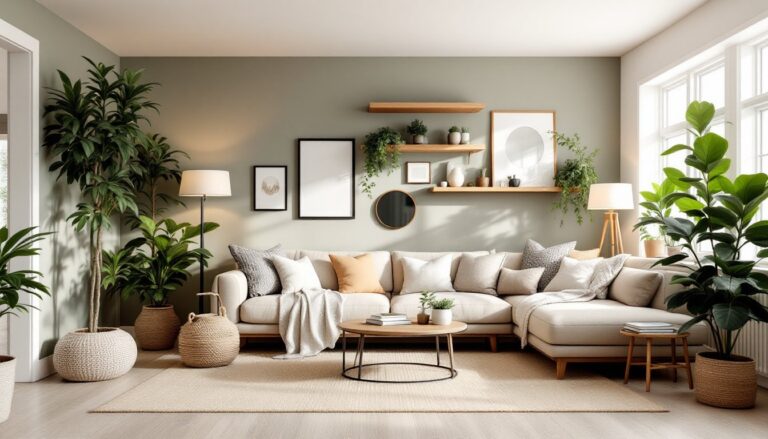
Color is the fastest way to transform a room’s personality. Rather than committing to a single bold wall paint, start by settling on a three- to four-color palette that works together. Neutrals like warm grays, soft whites, and taupe provide a grounded base: then layer in one or two accent colors through furniture, art, or accessories. If you’re hesitant about bold moves, earthy interior design brings warmth and authenticity without the commitment of permanent paint. Consider your room’s natural light too, north-facing spaces benefit from warmer undertones, while south-facing rooms can handle cooler palettes. Test paint samples on the actual walls for 24 hours before committing. The lighting changes throughout the day, and what looks perfect at noon might feel different at sunset. If full wall color feels risky, try painting just one accent wall or using removable wallpaper for temporary pattern and texture without the long-term commitment.
Furniture Arrangement for Maximum Comfort and Flow
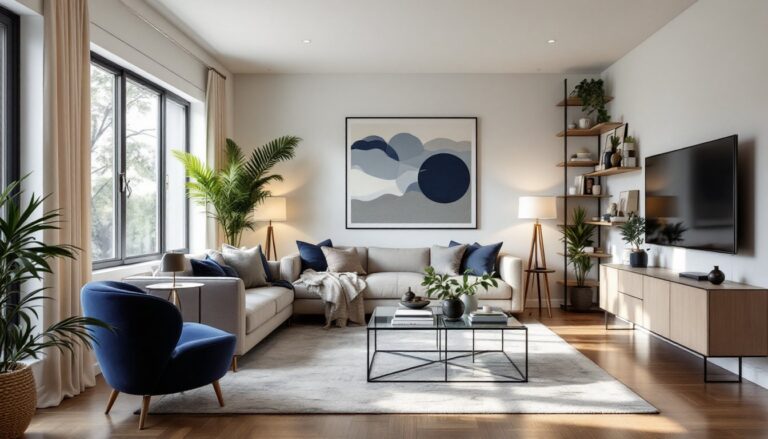
Don’t default to pushing the sofa against the wall. Floating furniture, pulling pieces into the center of the room, creates a more intimate, conversational layout and makes smaller spaces feel larger. Start by identifying a focal point: a fireplace, a view, or even a well-appointed console table. Arrange seating to face that focal point or each other. Leave at least 18 inches of walking space between furniture pieces so the room doesn’t feel cramped. A coffee table anchors the seating group: opt for one with open legs or a glass top to keep sightlines clear. If your living room doubles as a workspace or bedroom lounge, consider modular pieces that can be reconfigured when you need the layout to shift. Living area decor ideas often overlook traffic flow, the path from the entryway to other rooms matters as much as how seats face each other. Measure doorways and major furniture pieces before moving anything: swapping out a sofa without checking dimensions is frustrating and costly.
Lighting Layers to Brighten and Balance Your Room
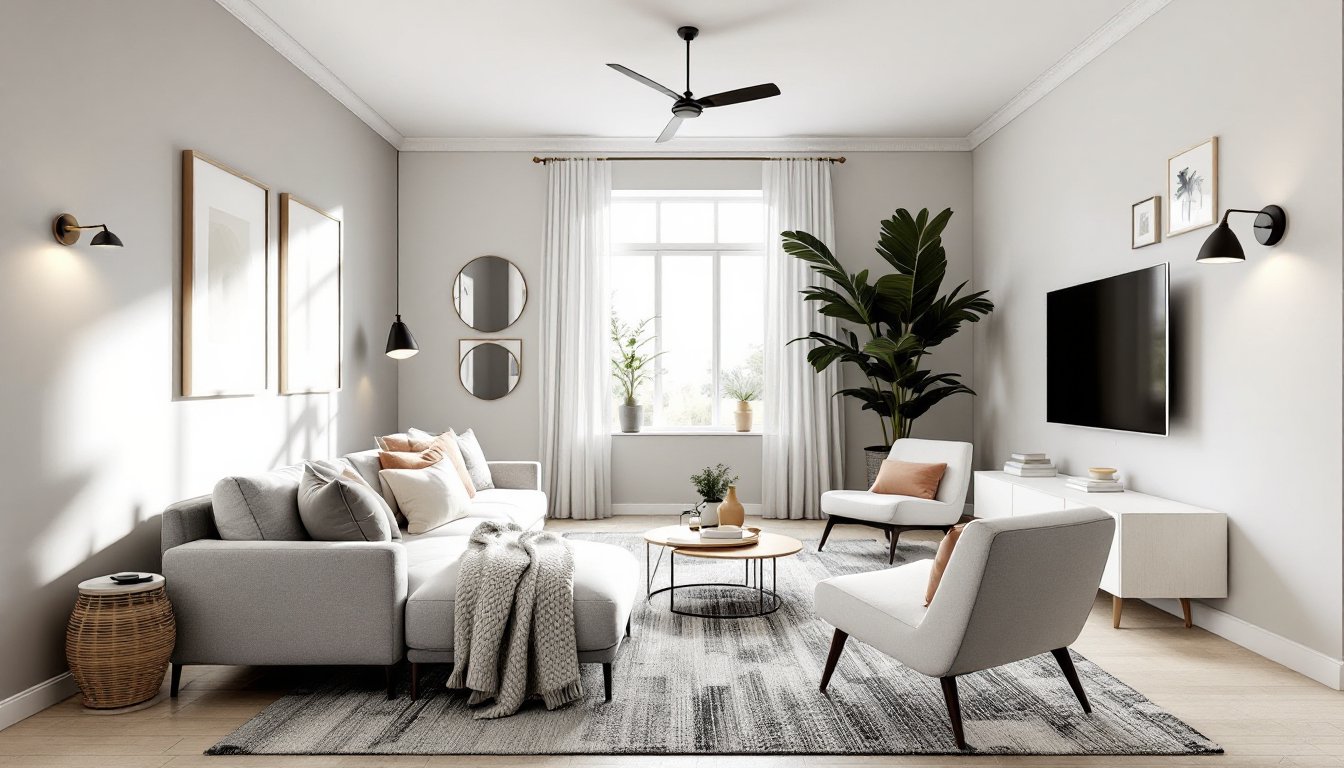
One ceiling fixture never cuts it. Layered lighting, combining ambient, task, and accent light, lets you set the mood and function for different times of day. Ambient light is your base: a dimmer-controlled ceiling fixture, recessed lights, or even a chandelier if your ceilings are high. Task lighting targets specific areas: a swing-arm wall sconce beside a reading chair, a lamp on a side table, or under-cabinet lights if you have shelving. Accent lighting highlights artwork or architectural features through spotlights or picture lights. The rule of thumb is to avoid dark corners: shadows make spaces feel smaller and cozier than you might want. Modern pendant lights hung over a console or side table add visual interest and save floor space compared to bulky standing lamps. LED bulbs now come in color temperatures from warm (2700K, like incandescent) to cool (5000K, like daylight), so you can adjust mood without rewiring. Ideas for lounge decor often include a mix of lighting sources placed at different heights, it’s what separates a professionally designed room from one that looks like an afterthought.
Wall Treatments and Décor Focal Points
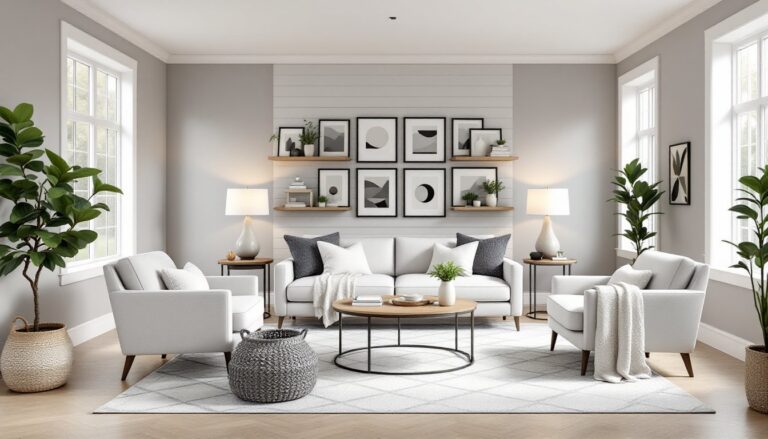
Beyond paint, walls can carry personality through texture, pattern, and curated collections. Shiplap, beadboard, or a brick accent wall adds dimension and a modern farmhouse vibe without major renovation if you’re renting or want to keep it temporary. Wallpaper, especially removable varieties, brings pattern quickly. For a gallery wall, mix framed art, mirrors, and prints in a deliberate arrangement: use a level and painter’s tape to map out placement before driving any nails. A large mirror opposite a window bounces light around and makes the room feel bigger: this is particularly useful in apartments or north-facing spaces. Floating shelves near a fireplace or window nook create display space and break up blank wall area. The key is intentionality: avoid random decor scatter. Choose a theme, three shades of blue with warm wood accents, for example, and let that guide what you display. Spanish Mediterranean design uses textured stucco walls and bold tile accents for warmth and character. If you rent, adhesive wall strips and removable wallpaper let you update without security deposit drama.
Textiles and Soft Furnishings for Warmth
Rugs, throws, cushions, and curtains are your chance to add comfort and softness without major furniture investment. A well-sized area rug anchors seating and defines the room’s heart: it should be large enough that at least the front legs of seating furniture rest on it (typically 5×8 or 6×9 feet for standard living rooms). Throw pillows in complementary colors and textures, linen, velvet, patterned cotton, layer comfort and visual interest: aim for four to six pillows per large sofa, adjusting for your aesthetic. Curtains frame windows and affect light quality: heavier fabrics block more light and sound, while sheer or lightweight options soften harsh sun without darkening the room. A chunky knit throw draped over a chair arm or sofa corner signals coziness and invites lounging. Bedroom interior ideas and living room textiles follow the same rule: let natural materials and soft textures dominate. Cotton, wool, linen, and blended fabrics age well and feel good against skin. Avoid low-quality polyester that pills or feels plastic-like: the upfront cost difference pays off in durability and perceived quality.
Storage Solutions That Look Intentional
Clutter kills any room’s design, no matter how thoughtful the color palette. Built-in shelving, wall-mounted cabinets, or a low credenza provide storage that pulls double duty as display. Open shelving works if you’re disciplined about styling: books, plants, and curated objects create visual interest when arranged with intention. Closed storage (cupboards, woven baskets, cabinet doors) hides remotes, blankets, and items you don’t want on display. A media console combines hidden storage with open shelving for electronics. Floating shelves are easier to install than built-ins and give a lighter feel in smaller rooms. If you’re avoiding wall damage or renting, free-standing bookcases and storage ottomans work well: choose pieces in materials that match your room’s style. Black and white interior design relies on crisp organization, storage solutions often become part of the aesthetic. Consider your actual lifestyle: if you have kids, you need deep storage for toys and books: if you work from home, you need a designated shelf or cabinet zone. Storage is invisible to most guests, but the absence of clutter is immediately felt. Features like contemporary living room designs showcase how thoughtful storage integration supports visual calm.
Conclusion
Modern living room ideas succeed when they balance aesthetics with how the space actually functions for your life. Start with one or two changes, a fresh paint color and better lighting, for instance, and let the room evolve. The best designs feel lived-in, not like showroom perfection. Trust your instincts, measure twice, and don’t hesitate to borrow inspiration from detailed living room features and established design approaches. Your living room should invite you to stay awhile.