Home Interior Ideas That Transform Your Space in 2026: Practical Designs for Every Budget
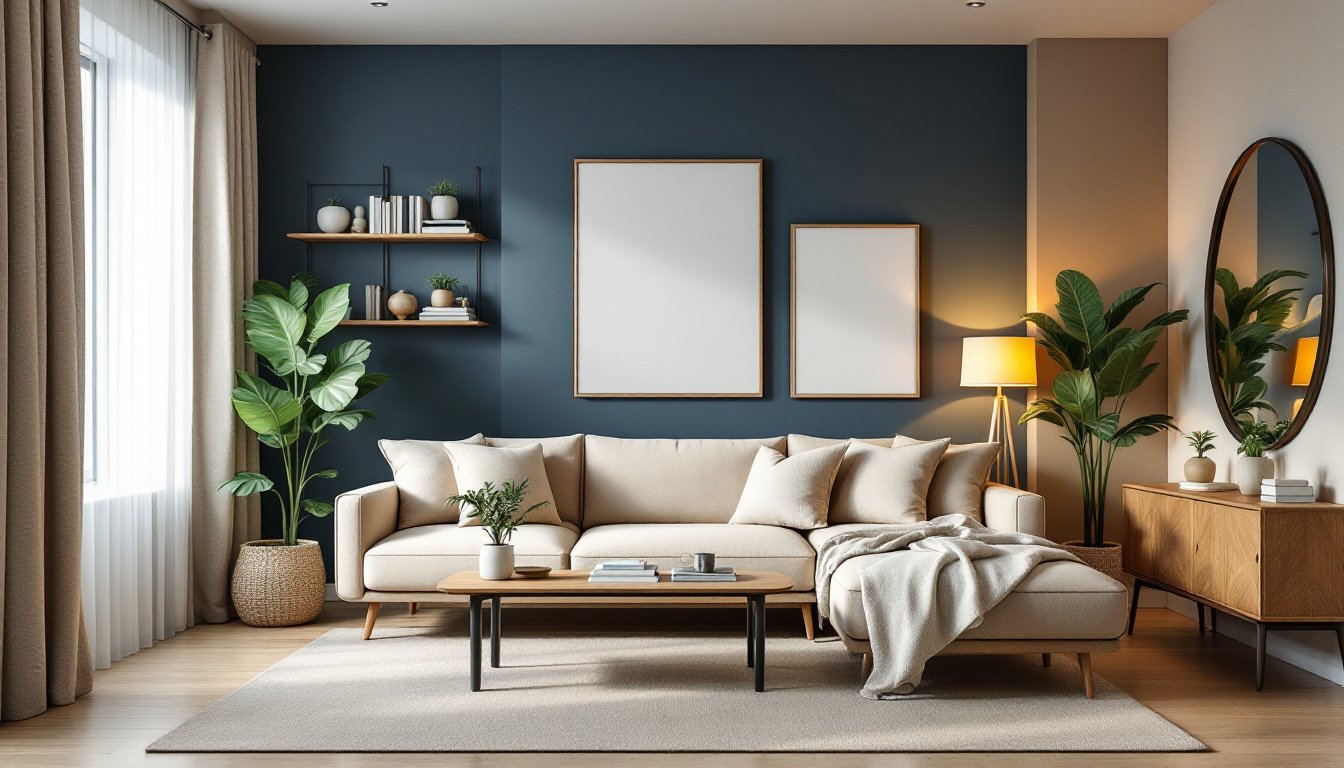
Whether you’re refreshing a single room or reimagining your entire home, the right interior ideas can make all the difference. This isn’t about following Pinterest trends that’ll feel dated next year, it’s about choosing home decorating approaches that reflect your lifestyle and work with what you’ve actually got. From layout tweaks that make small spaces feel larger to color selections that set the right mood, smart interior home decor ideas are often simpler and more affordable than you’d think. The good news: most projects don’t require a contractor’s budget or professional designer. With practical planning and honest DIY effort, you can transform your interiors into a space that’s genuinely yours.
Key Takeaways
- Home interior ideas succeed when they reflect your personal lifestyle and complement your home’s existing architecture rather than chasing fleeting trends.
- A cohesive design style, neutral base color palette with intentional accents, and strategic layered lighting transform spaces affordably without professional designers.
- Space-maximizing furniture placement—floating pieces away from walls, using vertical storage, and choosing leggy furniture—makes even small rooms feel larger and more functional.
- Quick, budget-friendly updates like new textiles, accent wall paint, hardware swaps, and houseplants deliver dramatic impact for under $200 per refresh.
- DIY projects such as floating shelves, accent wall painting, peel-and-stick wallpaper, and chair upholstering empower you to personalize interiors while staying within your actual budget.
Choose a Design Style That Matches Your Personality
Before you buy a single piece of furniture or paint a wall, figure out what design direction actually speaks to you. Design style isn’t a box you lock yourself into, it’s a framework that helps your choices feel cohesive rather than random.
Start by looking at rooms you genuinely enjoy spending time in. What’s the common thread? Is it clean lines and minimal clutter, or do you gravitate toward layered textures and vintage pieces? Maybe you’re drawn to the warmth of natural materials, or the bold drama of jewel tones.
Consider what works with your home’s bones. A Victorian cottage has different natural light and architectural detail than a 1970s ranch, so your style should complement what’s already there. You might blend approaches, for example, pairing log home interior design with contemporary storage solutions, or borrowing cozy cottage interior elements without the full-on country feel.
Look at style guides specific to your home type or aesthetic. Styles like modern glam interior design combine clean contemporary lines with luxe finishes, while earthy interior design emphasizes natural materials and neutral, grounding tones. Your style choice becomes the north star for every other decision you make.
Color Palettes: Setting the Mood in Every Room
Color is one of the most powerful tools you have, and it’s also one of the easiest to adjust if you change your mind. Start with a base, usually a neutral like white, beige, gray, or warm cream that covers most of your walls and larger surfaces. Neutrals aren’t boring: they’re the canvas that lets accent colors and textures shine.
Then layer in accent colors thoughtfully. A single wall painted a deeper tone (navy, forest green, terracotta) anchors a room without overwhelming it. Pair that with a secondary color that appears in textiles, artwork, and smaller pieces. This keeps the scheme feeling intentional rather than chaotic.
Light matters hugely. A rich jewel tone looks sophisticated in a north-facing room with warm artificial light, but can feel moody and heavy in bright, south-facing spaces. Test paint samples on your walls for at least a few days, checking them in morning and evening light. Many home improvement stores offer small sample cans, use them.
Color psychology is real but not rigid. Warm colors (reds, oranges, yellows) tend to energize and draw walls inward, working well in larger rooms. Cool tones (blues, greens, purples) recede visually and feel calm, great for bedrooms and tight spaces. Neutral palettes work everywhere, but don’t shy away from bold choices if they align with your personal taste.
Space-Maximizing Furniture and Layout Solutions
Poor furniture arrangement wastes square footage faster than a wall of junk. Start by measuring your room and sketching it to scale on grid paper, then cut out shapes representing each piece of furniture. This old-school method is still the fastest way to test arrangements without moving a couch three times.
Key principles: float furniture away from walls in tight spaces, this creates distinct zones and makes the room feel bigger, not smaller. A sofa facing a console table rather than pushed against a wall creates depth. Use vertical storage (tall bookshelves, wall-mounted cabinets) to pull the eye up and reduce the footprint on the floor.
Choose furniture that works harder. An ottoman with hidden storage, a bench at the foot of a bed, or a dining table with leaves gives you flexibility without clutter. Go for leggy pieces (chairs and tables with visible legs) rather than skirted or boxy styles, the negative space underneath makes even small rooms feel airier.
One trick professionals use: keep the largest furniture pieces (sofa, bed, dresser) a consistent distance from walls and corners. Random gaps around a room make it feel disjointed. In a studio or open floor plan, a single area rug or a console table can define zones without actual walls.
Lighting Strategies for Ambiance and Functionality
Most homes rely too heavily on overhead fixtures, which cast harsh shadows and don’t let you adjust mood by room or time of day. Layer your lighting into three types: ambient (overall room brightness), task (focused on specific activities), and accent (highlighting artwork or architectural features).
Ambient light usually comes from ceiling fixtures or recessed lights, but it shouldn’t be your only source. Task lighting matters in kitchens, home offices, and bedside tables, a pendant above a kitchen island, a desk lamp, or a reading light all pull their weight. Accent lighting (small picture lights, LED strip behind a floating shelf, track lighting on art) adds sophistication and depth.
Dimmer switches are one of the cheapest upgrades with huge payoff. The ability to dial down overhead lights in the evening saves money and instantly makes a room feel more welcoming. Add inexpensive table lamps and floor lamps on those circuits, you’ll use them way more than you expect.
Natural light planning: if a room gets strong afternoon sun, sheer curtains diffuse it without blocking the view. North-facing rooms benefit from lighter wall colors and reflective surfaces (mirrors, glossy finishes) to bounce available light around. Skylights and transom windows cost more but dramatically change a dark space’s feel and function.
Budget-Friendly Décor Updates That Make an Impact
You don’t need a major renovation to feel like your home is new. Textiles are your fastest, cheapest refresh. New throw pillows, a different area rug, or curtains in a solid color completely reset a room for under $200. Swap seasonal textiles (heavier fabrics in winter, lightweight linens in summer) to keep things fresh.
Wall decor shifts the whole energy. A gallery wall of affordable prints, a large mirror that bounces light, or removable wallpaper on one accent wall transforms the space without permanent commitment. Hardware swaps on cabinets and drawers (new knobs or pulls) take 10 minutes per piece and cost $5–15 each.
Plants are cheap décor psychology. A few houseplants in corners and on shelves add color, improve air quality, and make spaces feel lived-in, especially important in minimalist or sparse rooms. Choose low-maintenance varieties (pothos, snake plant, monstera) if you’re not a plant person yet.
Repaint furniture instead of replacing it. A dresser, bookcase, or side table painted in an accent color from your palette costs $20 in primer and paint, versus $200+ for new pieces. Use high-quality primer and paint for durability, cheap paint chips and peels, which wastes your effort.
DIY Projects to Personalize Your Interiors
Floating shelves are approachable first projects. They require a stud finder (cheap if you don’t own one), a drill, brackets, and a level. Screw brackets firmly into wall studs at the same height, then rest your shelf across them. A shelf over 24 inches long needs three brackets for safety. Paint or stain the shelf to match your aesthetic, and style it with books, plants, and a few treasured objects, don’t overstuff.
Paint an accent wall if you want visible impact without structural work. Prep the wall: fill holes, sand rough spots, wipe away dust, and run painter’s tape along the ceiling and adjacent walls for clean edges. Use quality paint and primer combined in one product if your room’s light. Two coats usually covers better than one. Invest in good brushes and rollers, cheap ones shed bristles and leave streaks.
Wallpaper an interior or small space. Modern peel-and-stick wallpaper removes cleanly without damaging paint, making it perfect for renters and commitment-phobes. Measure twice, cut once, and apply slowly with a smoothing tool to avoid bubbles. If something goes wrong, you peel it off and start over.
Upholster a headboard or refresh a dining chair. A staple gun, batting, and fabric cost $40–80. Remove old upholstery, staple new batting to the frame for cushioning, then wrap fabric tightly and staple underneath. It’s satisfying, forgiving, and makes a massive visual difference. Resources like Dwell and Home Bunch show dozens of examples for inspiration.
Conclusion
Transforming your home’s interior doesn’t require a complete overhaul or a designer’s budget. Start with one room, apply these practical strategies, and build from there. Choose a cohesive style, set a color foundation, arrange furniture thoughtfully, and layer in smart lighting. Small updates, textiles, paint, plants, hardware, deliver surprising impact. Tackle a DIY project or two to make the space truly yours. Your home should work for how you actually live, not for Instagram. Take your time, measure carefully, and trust your instincts.