Transform Your Space: 7 Budget-Friendly Home Decor Ideas That Maximize Impact in 2026
Refreshing your home doesn’t mean emptying your wallet or living with a dated interior for years to come. The beauty of smart home decor ideas is that impact comes from intentional choices, not expensive overhauls. Whether you’re renting, own a smaller place, or simply want to maximize your budget, there are proven ways to transform any room with paint, lighting, plants, textiles, and strategic rearrangement. This guide walks you through seven practical home interior ideas and home ideas interior that deliver real change. Each approach focuses on what actually works, no trendy filler, just honest methods that homeowners and DIY enthusiasts can tackle without special skills.
Key Takeaways
- Home decor ideas like fresh paint, layered lighting, and plants can transform any room for $100–$500 without requiring professional renovation skills.
- Strategic furniture rearrangement and intentional wall decor inject personality and maximize room functionality without additional cost.
- Layering textures through rugs, pillows, and throws creates visual depth and makes spaces feel more inviting and curated.
- Quality paint prep work and warm-white lighting set the foundation for professional-looking home interior results that last.
- Starting with one or two practical home decor ideas and executing them thoroughly delivers better results than attempting multiple projects halfway.
Refresh With Paint and Accent Walls
Paint is the quickest, most cost-effective way to reset a room. A fresh coat on all four walls costs $200–$500 in materials and labor if you hire out, or under $100 if you do it yourself. The real transformation, though, comes from understanding how color and finish affect mood and perception.
Start by prepping the walls properly, this separates amateur results from professional ones. Fill holes with spackle, sand rough patches smooth, and prime any stained areas. A single primer coat prevents bleed-through and improves paint adhesion. Use quality paint: premium interior latex (about $30–$50 per gallon) covers 400 square feet and delivers better durability than budget brands.
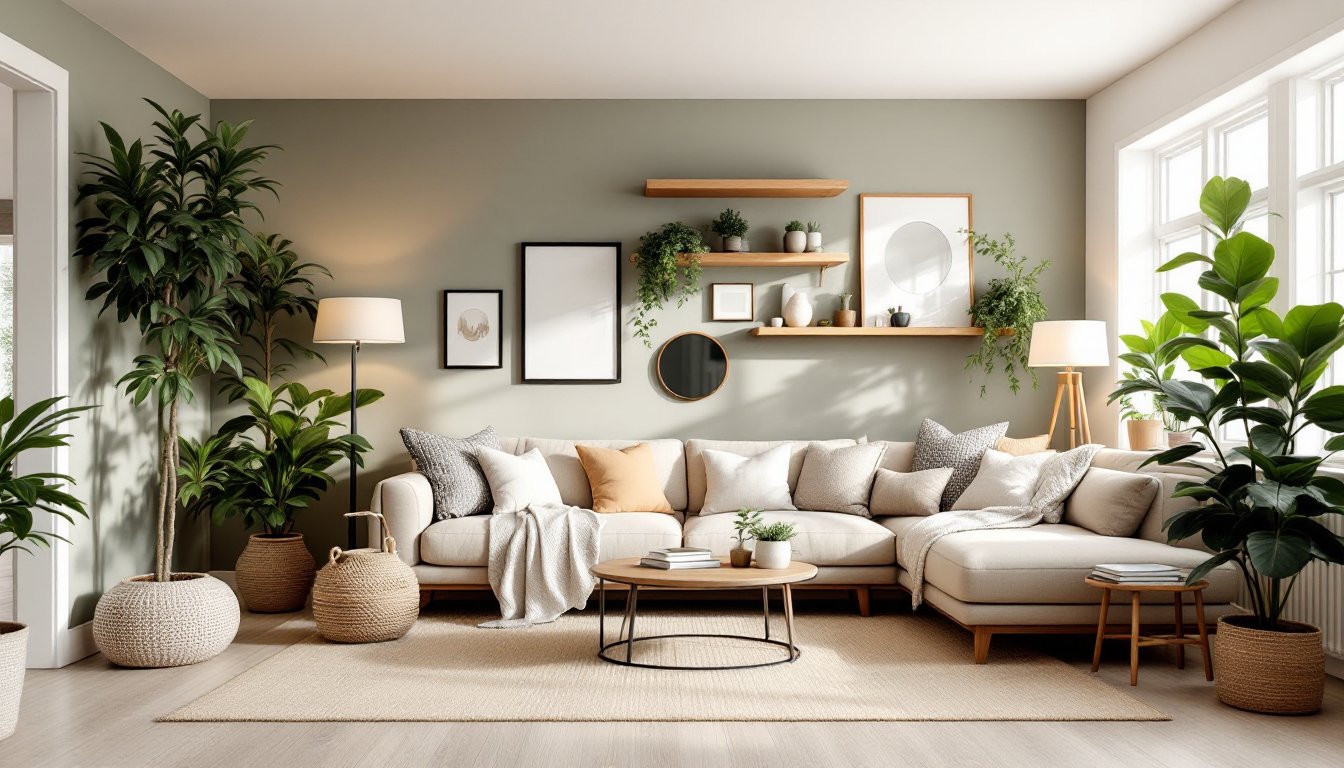
Consider an accent wall to add depth without overwhelming the space. Pick the wall you see first when entering the room, or the one behind your bed or sofa. Darker, muted tones work best, a deep sage, charcoal, or warm taupe creates drama without clashing with furnishings. Pair it with softer neutrals on the other three walls. The 70s modern interior design movement proves that bold color choices age well when paired thoughtfully with complementary furniture and decor.
Layer Lighting to Set the Perfect Mood
Lighting transforms a room more than most people realize. Overhead fixtures alone create harsh shadows and bland ambiance. Layered lighting, combining ambient, task, and accent sources, gives you control over how the space feels.
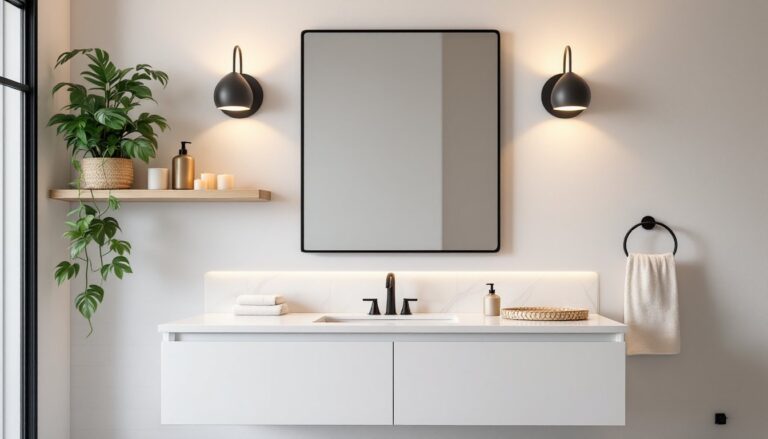
Start with ambient lighting: your overhead fixture or a ceiling-mounted option that provides general illumination without glare. Add task lighting where you read, work, or cook, a desk lamp, bedside sconce, or under-cabinet strips. Then introduce accent lighting to highlight focal points: wall sconces flanking a mirror, uplighting behind a plant, or string lights above a bookshelf.
Switch to warm-white bulbs (2700K color temperature) for living areas: they feel inviting and calm. Cooler tones (4000K–5000K) work better in kitchens and bathrooms. Install dimmer switches where possible, $15–$30 per switch, so you adjust intensity based on time of day and activity. This simple upgrade makes rooms feel larger and more intentional. According to interior design professionals, proper lighting accounts for 40% of perceived room quality.
Incorporate Greenery and Natural Elements
Living plants and natural materials add life to flat, sterile rooms without requiring structural changes. Plants clean the air, introduce color and texture, and soften hard edges, all for $10–$30 per plant depending on size.
Start with low-maintenance varieties if you’re new to plant parenthood: pothos, snake plants, ZZ plants, and rubber plants tolerate irregular watering and moderate light. Group three plants of different heights in one corner or on a shelf for impact: don’t scatter single plants around the room, which feels cluttered.
Pair greenery with natural materials to reinforce the effect. A wooden floating shelf, rattan baskets, linen curtains, or a cork bulletin board all evoke natural texture without cost-prohibitive materials. Wood tones warm up cool spaces: raw wood (unfinished or lightly stained) feels more authentic than heavily varnished pieces. A cozy cottage interior design approach embraces this principle, simple natural elements layered together create comfort and authenticity. Place trailing plants on high shelves, upright plants on stands, and flowering varieties on tables where they catch light.
Mix Textures With Rugs, Pillows, and Throws
Texture prevents a room from feeling flat or boring. Hard surfaces, wood floors, glass tables, painted walls, need soft, varied textures to balance them out. Rugs, pillows, blankets, and upholstered pieces create this sensory depth.
Start with a quality area rug as your anchor. A 5×8-foot rug costs $100–$300 and anchors a seating area while defining the room’s layout. Choose natural fibers (wool, jute, cotton) for durability and feel: they hide dust and wear better than synthetics. Layer a smaller patterned rug over a neutral base rug for added interest without jarring clashes.
Add pillows in varied fabrics: velvet, linen, cotton, and faux fur all work together if you stick to a consistent color palette. Mix patterns by varying scale, pair a large geometric print with a small floral and a solid tone. Throws draped over sofas and chairs add warmth and softness while masking wear.
The key is intentional variety. Three or four textured items per room feel curated: ten feel chaotic. Rotate seasonal fabrics, heavier knits in winter, lighter linen in summer, to refresh the space without buying new pieces. This approach works equally well in modern apartments and traditional homes, making it universally practical.
Rearrange Furniture for a Fresh Layout
Moving furniture costs nothing and often delivers the biggest impact. A new layout changes traffic flow, opens up the room, and lets you see your space from fresh angles. Most people arrange furniture the same way for years without questioning whether it actually works.
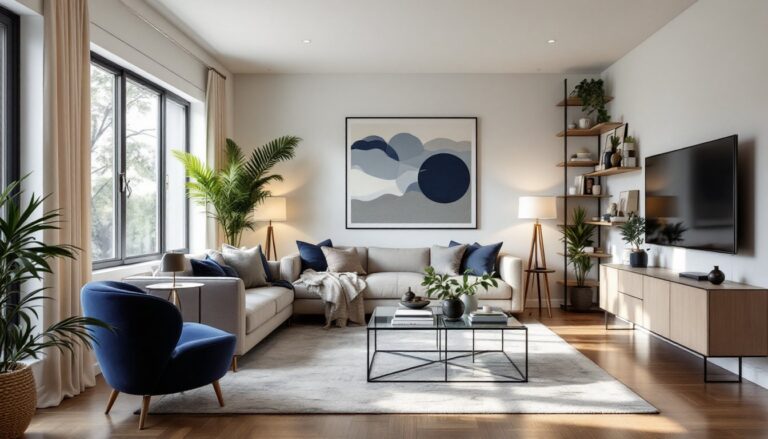
Start by identifying your room’s focal point: a fireplace, large window, or TV. Arrange seating to face or engage with that focal point rather than floating in the middle of the room. Pull furniture away from walls slightly, a sofa 6–8 inches from the wall looks intentional, not cramped. Create conversation zones by angling chairs toward each other and a coffee table.
Check sight lines: can you move through the room without bumping into furniture? Are there dead zones, corners or spaces too narrow to use? Repositioning a bookshelf or console table to create a visual boundary can define areas in open-concept rooms without walls. Test the new layout for a few days before committing. If it doesn’t feel right, move things again: there’s no penalty for experimenting.
This approach pairs naturally with home interior ideas focused on maximizing small spaces, where every inch matters. Thoughtful arrangement opens rooms psychologically, even if the square footage stays the same.
Add Personal Style Through Wall Decor and Accessories
Bare walls feel impersonal and unfinished. Art, mirrors, shelving, and accessories let you inject personality while maintaining cohesion. The trick is avoiding a cluttered or random appearance.
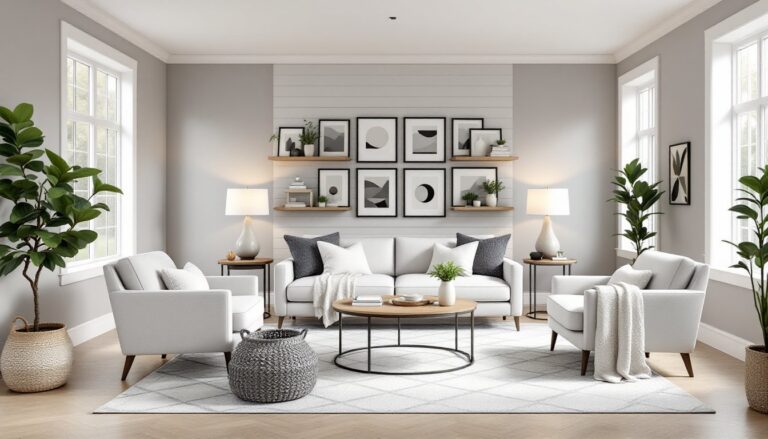
Start with a focal point: a large piece of art, a gallery wall, or a statement mirror above a console or bed. Anchor this element with a color or theme that ties into your room’s palette. Flank it with smaller pieces or shelves to create visual balance. A gallery wall works best when pieces vary in frame style and content but share a color scheme, perhaps all black frames with varying matting, or wood tones in different finishes.
Mirrors serve double duty: they reflect light (making rooms feel larger) and add visual interest. A large statement mirror opposite a window bounces natural light throughout the space, instantly brightening dark corners. Floating shelves display books, plants, and personal objects while drawing the eye upward, making ceilings feel higher.
Accessories, books, candles, small sculptures, framed photos, humanize a room but require restraint. Group items in odd numbers (three or five) rather than pairs: it feels more dynamic. Rotate seasonal decor quarterly to keep the space fresh without major purchases. Consult interior design inspiration sites for ideas on how to balance personal items with overall aesthetic coherence.
Conclusion
Transforming your home doesn’t require a designer budget or months of renovation. These seven home decor ideas, paint, lighting, plants, textiles, furniture arrangement, and wall decor, work together to create spaces that feel intentional, welcoming, and truly yours. Start with one or two ideas that resonate most, complete them thoroughly, then build from there. The best results come from thoughtful execution of simple strategies, not half-hearted attempts at multiple projects. Your home reflects how you live: make it work for your lifestyle and budget.