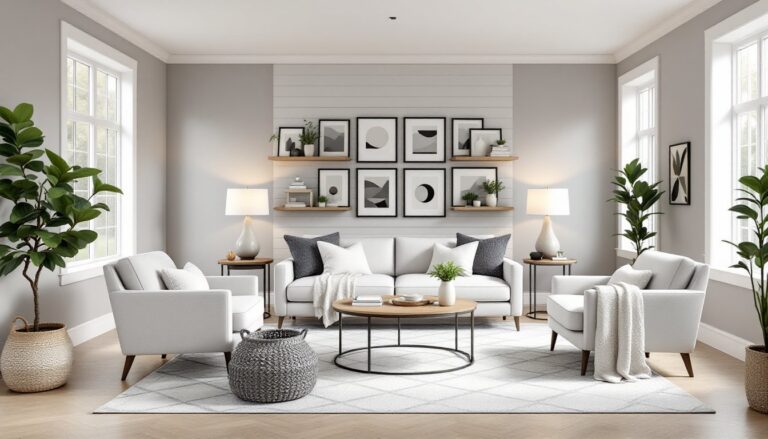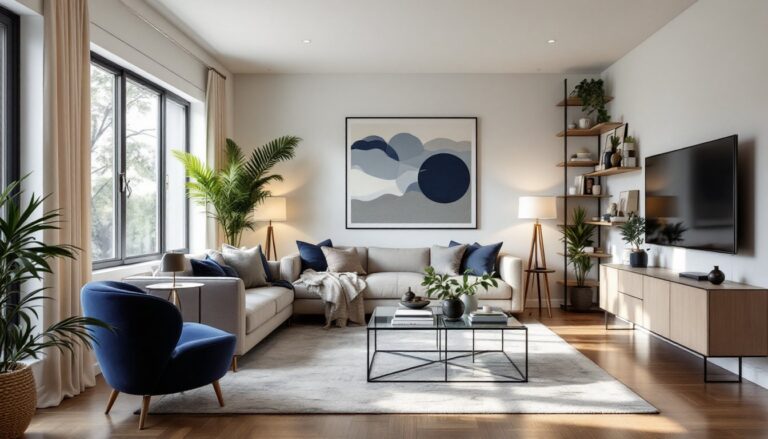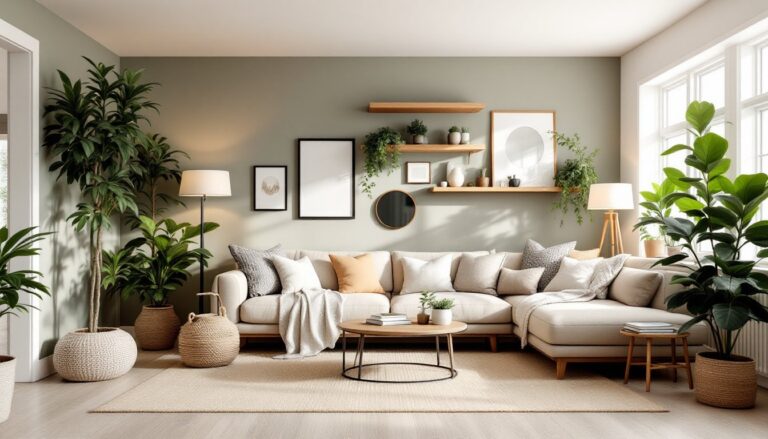
Fresh Home Interior Ideas to Transform Your Space in 2026
Your home should reflect who you are, a space where design meets function and every room tells your story. Whether you’re planning a complete refresh or tweaking a few key areas, finding the right home interior ideas makes all the difference. In 2026, the focus has shifted toward authenticity, sustainability, and personal comfort over fleeting trends. This guide walks you through modern design strategies, budget-conscious decor updates, and practical projects you can tackle yourself. From color theory to furniture layout, you’ll discover how small changes create major impact without requiring a designer’s budget or contractor’s timeline.
Key Takeaways
- Modern home interior ideas in 2026 prioritize authenticity, sustainability, and personal comfort over fleeting trends, allowing you to create intentional spaces without a designer’s budget.
- Minimalist design focuses on keeping only high-quality pieces that serve a purpose and combining neutral base layers with strategic storage to create calm, functional rooms.
- Paint, textiles, and strategic furniture rearrangement deliver dramatic home decor results at minimal cost—color psychology and layered lighting amplify the impact of these budget-friendly updates.
- Proper furniture arrangement based on room purpose, clear traffic patterns, and vertical storage creates spaces that feel larger and more intentional while maximizing flow and function.
- Weekend DIY projects like accent wall painting, floating shelf installation, and hardware swaps build confidence and refresh spaces affordably, making meaningful changes without professional help.
Modern Minimalist Design Trends
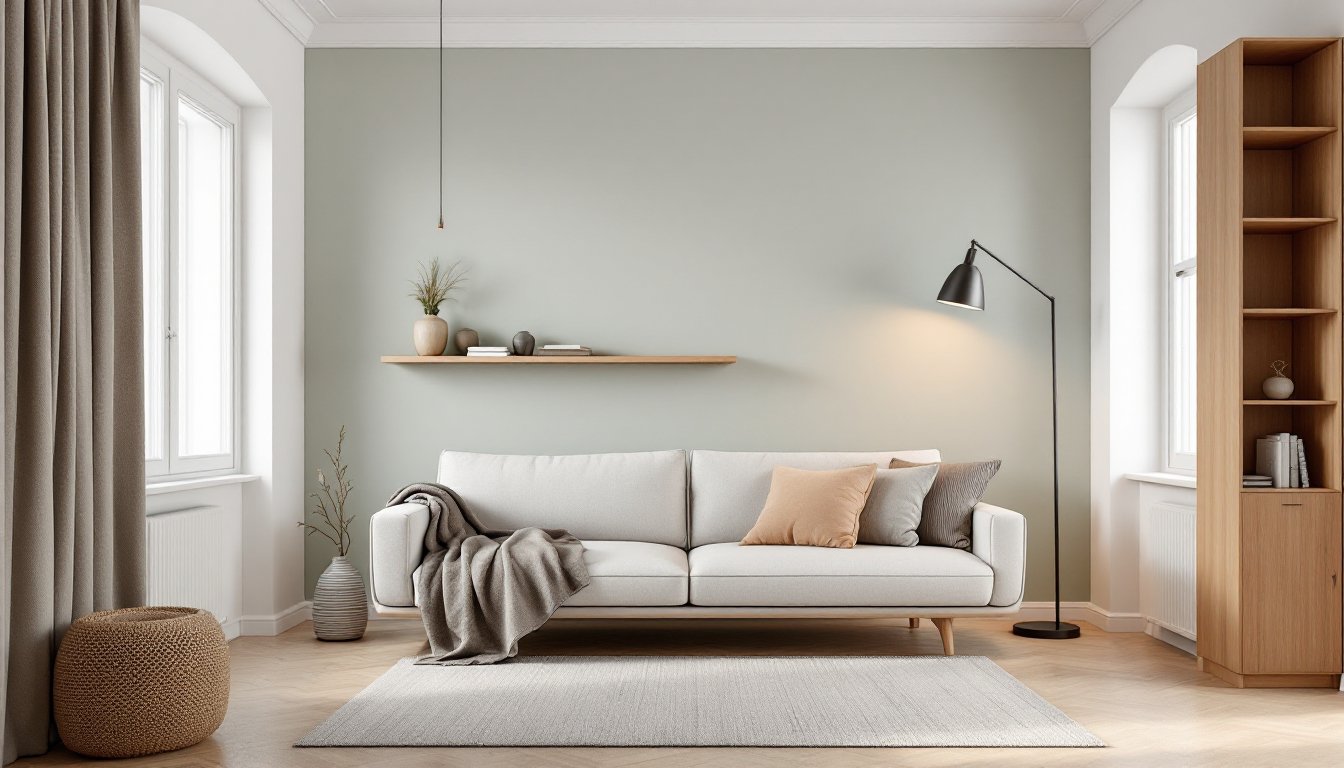
Minimalism in 2026 isn’t about empty rooms and cold aesthetics, it’s about intentional living. This approach strips away visual clutter while keeping pieces that genuinely matter, creating calm, functional spaces. The philosophy works across any interior home decor style, from apartments to family homes.
Start by auditing what you own. Ask yourself: Do I use it? Does it spark joy? Does it serve a purpose? The answers determine what stays. A minimalist space doesn’t mean bare walls: it means fewer, higher-quality pieces arranged with purpose. Think one statement piece per wall rather than five competing focal points.
Neutral base layers form the foundation, think soft grays, warm whites, and natural wood tones. These create visual breathing room and let other design elements shine. Minimalist interior design characteristics, which means investing in storage solutions that hide without compromising access. Floating shelves, built-in cabinetry, and furniture with integrated storage keep belongings out of sight but within reach.
Budget-Friendly Decor Updates That Make an Impact
You don’t need a renovation budget to refresh a room. Paint, textiles, and strategic rearrangement deliver dramatic results at a fraction of the cost.
Paint remains the cheapest design tool available. A single accent wall, or painting existing cabinets, shelving, or trim in an unexpected shade, shifts the entire mood. Semi-gloss or satin finishes on trim catch light and feel intentional: matte finishes absorb it. Test colors with large poster board samples on your walls for 24 hours before committing.
Textiles anchor a budget refresh: throw pillows, area rugs, and curtains change how a room feels without structural changes. Swapping hardware on cabinetry or dressers, cabinet knobs, pulls, hinges, costs under $50 but reads as a professional update. For home decorating on a shoestring, thrifting furniture and refreshing it with paint or stain gives character at a fraction of retail prices.
Lighting is equally impactful. Upgrading bulbs to warm white (2700K) creates coziness: adding a dimmer switch gives flexibility. A new pendant fixture or floor lamp repositions visual weight and adds function. When you’re looking to home decorate without major expense, these layers compound into a space that feels intentional and refreshed.
Color Palettes and Lighting for Every Room
Color psychology influences how spaces feel. Warm tones (terracotta, warm gray, soft gold) promote coziness: cool tones (sage, slate, soft blue) encourage calm. Lighting amplifies this: warm bulbs (2700K–3000K) feel inviting, while cool bulbs (4000K–5000K) feel energizing.
For living areas, pair warm neutrals with one accent color, jewel tones like emerald or sapphire add depth without overwhelm. Bedrooms benefit from muted palettes: soft grays, warm whites, and earth tones signal rest. Kitchens often use higher saturation, crisp whites, navy, or sage green, because activity and task lighting support bolder choices.
Layered lighting matters. Ambient light (ceiling fixtures, dimmer switches) sets overall mood. Task lighting (under-cabinet, desk lamps) supports function. Accent lighting (wall sconces, uplighting) adds dimension. A room with only overhead light feels flat: the same room with three light sources feels intentional.
Test paint with large samples and observe throughout the day, morning light, afternoon glare, and evening lamplight all shift perception. Home design inspiration platforms to create spaces that feel both cohesive and dynamic. Don’t choose color in harsh showroom light: bring samples home.
Furniture Arrangement and Space Planning Essentials
Good layout maximizes flow and function. Start by identifying the room’s purpose: conversation, work, sleep, cooking. Arrange furniture to support that activity first, aesthetics second.
The “conversation zone” principle applies to living rooms: arrange seating so occupants face each other without strain. In bedrooms, position the bed opposite the door for visual impact: nightstands flank equally. Home interior ideas often overlook traffic patterns, ensure clear pathways to windows, doors, and frequently used areas.
Measure twice. Sketch a room’s footprint on graph paper, marking doors, windows, electrical outlets, and radiators. Cut cardboard mockups of furniture pieces (to scale) and arrange before moving heavy items. This prevents the costly, back-breaking mistake of discovering a sofa won’t fit after purchase.
Floating furniture (pulling pieces away from walls) creates intimacy and defines zones in open plans. In smaller spaces, wall-mounted shelving and corner desks preserve floor space. Vertical storage, tall bookcases, wall hooks, pegboards, draws the eye upward and frees ground real estate. A well-arranged room feels larger because movement is intuitive and sightlines are clear.
Seasonal Styling and Seasonal Refresh Ideas
Rotating seasonal décor keeps spaces feeling fresh without major updates. Spring calls for lighter textiles, pastels, and fresh flowers. Summer leans into bold prints, outdoor-inspired palettes, and lightweight fabrics.
Fall invites warm metallics, deep jewel tones, and layered textiles, throw blankets on sofas, plush pillows. Winter deepens the palette further: charcoal, navy, forest green, paired with metallics and candlelight. These swaps don’t require new purchases: cycling existing pieces (pillows, throws, artwork) through seasons stretches your décor budget.
Swap out lightweight curtains for heavier drapes in colder months: reverse for summer. Change lampshades or add sheer overlays to shift light quality seasonally. Swap artwork or rotate gallery walls. A room that shifts subtly through the year feels alive rather than static.
Simple styling rules apply: odd-numbered groupings feel intentional (three candles, five books), and varying heights add visual interest. Seasonal refresh doesn’t require structural changes, textiles, lighting, and accessory swaps deliver transformation with minimal effort and cost.
DIY Decor Projects You Can Complete This Weekend
Weekend projects build confidence and refresh spaces affordably.
Accent Wall Paint: Choose one wall and paint it a bold shade or interesting texture (faux wallpaper with paint techniques, ombré, stripes). Prep is critical: patch holes, sand glossy surfaces, prime raw drywall, and use painter’s tape for clean lines. A gallon typically covers 350 square feet: two coats are standard. Allow 24 hours drying between coats.
Floating Shelf Installation: Install 1×10 or 1×12 lumber shelves using floating shelf brackets (rated for your anticipated load). Locate studs with a stud finder, drill pilot holes to prevent splitting, and use lag bolts into studs. Check level before fully tightening. Shelves should feel rock-solid under downward pressure. Creating warm, character-filled spaces, and the principle applies everywhere.
Fabric Wall Covering: Stretch fabric across wooden frames (canvas stretchers from art stores work well) and hang as oversized artwork. This softens hard surfaces and improves acoustics in echo-prone rooms. Staple fabric taut to the frame back: no glue needed.
Hardware Swaps: Replace cabinet knobs, drawer pulls, and door hinges. Remove old hardware by unscrewing from inside the cabinet. If new hardware doesn’t align with existing holes, fill with wood filler, let dry, sand smooth, and drill new holes. A $40 investment transforms a kitchen or bedroom instantly.
Stenciled Accent: Stencil patterns onto walls, lampshades, or canvas using craft stencils and acrylic paint. Tape stencils firmly, use a stippling (dabbing) motion rather than brushing, and lift straight up. This adds personality without permanent commitment. For home decorating beginners, stencils offer foolproof pattern application.
Conclusion
Home interior ideas in 2026 prioritize authenticity, function, and personal comfort over trend-chasing. Start with one room, apply these strategies, and build momentum. Design inspiration from established sources like Home Bunch shows how professionals layer color, furniture, and lighting to create cohesive spaces. Paint an accent wall, rearrange furniture to improve flow, invest in quality textiles, and tackle a weekend project. Small changes compound into a home that feels intentional and truly yours, no designer required.